Building a web directory that ranks well isn’t luck. It’s strategy. Your directory can attract quality backlinks, bring in organic traffic, and become a resource people trust. This guide shows you how to turn your directory from a plain listing site into something search engines and users pay attention to.
You’ll learn the technical foundations that make directories easy for search engines to work with, strategies for earning backlinks from high-authority sources, and how to build partnerships that support long-term growth. Here is how to turn your directory into an SEO machine.
Directory SEO foundation
Any strong SEO result starts with getting the basics right. Your directory’s technical setup decides whether search engines can crawl, index, and rank your content. Without solid foundations, even the best backlink strategies fall apart.
Working on directory optimization taught me that technical quality isn’t optional. It’s the difference between directories that do well and those that get buried in search results. The directories that consistently rank well share specific technical traits, and we’ll go through them in detail.
Did you know? According to research on internal networking benefits, well-structured directories can become quiet powerhouses within their industries, driving value through deliberate connections and organized information.
Technical infrastructure requirements
Your technical foundation starts with site speed. Google’s Core Web Vitals made page loading times a ranking factor, and directories with slow pages struggle to compete. Aim for loading times under 2.5 seconds for your Largest Contentful Paint (LCP) metric.
Server response time matters more for directories than for typical websites because you’re serving database-driven content. Choose hosting that can handle concurrent database queries without bottlenecking. Content Delivery Networks (CDNs) become important once your directory grows beyond local listings.
Mobile responsiveness isn’t negotiable anymore. Google’s mobile-first indexing means your mobile version determines your rankings. Test your directory on various devices and screen sizes so listing pages stay readable and navigation stays intuitive.
SSL certificates provide the security layer that search engines expect. Beyond the ranking boost, users need to trust your directory with their business information. Use HTTPS across all pages, including user-submitted content and administrative areas.
Domain authority optimization
Domain authority grows through consistent, high-quality content and deliberate link acquisition. Your authority builds when you publish useful resources beyond basic listings. Consider adding industry guides, local business spotlights, and market analysis content.
Internal linking within your directory builds topical authority. Link related business categories, geographic regions, and complementary services. This helps search engines understand how thoroughly you cover specific topics or industries.
Fresh content keeps your domain active in search engine crawling schedules. Regular listing updates, new business additions, and content refreshes show that your directory is current and useful. Stale directories lose authority over time.
User engagement affects domain authority indirectly. Directories with high bounce rates and short sessions signal poor user experience to search engines. Focus on content that keeps people exploring and coming back.
Site architecture planning
Your URL structure should make sense to users and search engines. Use descriptive paths like “/restaurants/italian/london/” rather than “/category/123/subcategory/456/”. Clean URLs improve click-through rates and help search engines follow your content hierarchy.
Category organisation affects how authority flows through your directory. Create logical hierarchies that match how users think about businesses and services. Avoid too many subcategories that dilute link equity, or too few that create broad, vague groupings.
Pagination matters as your directory grows. Use rel=”next” and rel=”prev” tags for category pages, and consider infinite scroll for a better user experience. Just make sure search engines can still crawl all your listings.
XML sitemaps for directories need special attention. Create separate sitemaps for different content types: business listings, location pages, category pages, and blog content. Update these automatically as new listings are added or changed.
Well-planned backlink acquisition
Backlink acquisition for directories works differently than it does for typical websites. You’re not just building links to your homepage. You need to establish your whole directory as a resource other sites want to reference and link to.
The most successful directories I’ve studied don’t wait for backlinks to happen. They create link-worthy content, build relationships with industry publications, and position themselves as go-to resources for specific topics or locations.
Quick Tip: Create industry-specific landing pages that work as thorough resources. These pages tend to attract backlinks from businesses, bloggers, and journalists looking for solid information about specific sectors.
High-authority source identification
Start by finding websites that already link to your competitors. Tools like Ahrefs or SEMrush show which sites consider directory-style content worth linking to. Look for patterns in the types of sites that link to directories in your niche.
Local news websites and business journals are good backlink opportunities for regional directories. These publications regularly feature local business stories and often need reliable directories to reference when writing about specific industries or locations.
Industry associations and professional organisations frequently link to thorough business directories. Reach out to relevant trade associations, chambers of commerce, and professional bodies that serve your target businesses.
Government websites and educational institutions (.gov and .edu domains) provide some of the most valuable backlinks. Many local government sites keep business resource pages where directories can earn prominent placement.
Consider the authority metrics that matter most for directory backlinks. Domain Rating (DR) or Domain Authority (DA) scores above 30 usually provide meaningful SEO value, but relevance often beats a raw authority score.
Link building campaign development
Resource page link building works well for directories. Many websites keep “useful links” or “business resources” pages where quality directories can earn a spot. Build a systematic way to find and pitch these opportunities.
Broken link building becomes more effective when you can offer thorough directory listings as replacements for outdated business directories. Watch your competitors’ backlinks for broken opportunities, then offer your directory as an updated alternative.
Content collaboration with complementary websites creates natural linking opportunities. Partner with business blogs, local publications, and industry websites to create content that references your directory’s listings.
Guest posting on relevant websites lets you show what you know while earning contextual backlinks. Give real value rather than obvious promotion. Share insights about industry trends, local business development, or good directory practices.
Outreach automation systems
Email outreach tools like Pitchbox or BuzzStream help you manage large link building campaigns. Avoid fully automated messages that sound robotic, though. Personalisation still matters for directory link building.
Templates save time while keeping messages personal. Develop templates for different scenarios: resource page additions, broken link replacements, guest posting pitches, and partnership proposals. Then customise each one for the specific recipient.
Follow-up sequences improve response rates a lot. Many potential link partners don’t reply to the first message but do engage after 2 to 3 follow-ups spaced out over several weeks.
Tracking responses helps you refine your approach. Watch which subject lines, message lengths, and value propositions get the best response rates, and keep adjusting based on actual results.
Partnership network expansion
Partnerships with complementary directories can create mutual linking opportunities. Team up with directories serving different regions or sectors to cross-reference relevant listings.
Business organisation partnerships give you ongoing link building opportunities. Chambers of commerce, trade associations, and professional groups often promote quality directories to their members.
Local media relationships generate both backlinks and directory submissions. Build relationships with local journalists, bloggers, and business reporters who cover your target industries or areas.
Influencer collaborations in your industry can widen your directory’s reach. Partner with business consultants, local marketing experts, and industry leaders who can genuinely recommend your directory to their audiences.
Success Story: Web Directory shows how planned partnerships with local business organisations and industry publications can create steady backlink growth. Their approach focuses on giving genuine value to partner organisations rather than simply asking for links.
Content marketing integration
Content marketing turns directories from static listing repositories into resources that attract backlinks on their own. The most successful directories publish content that serves their audience beyond basic business information.
Industry guides, local business spotlights, and market analysis content position your directory as a source people trust. This content becomes linkable, and journalists, bloggers, and business websites reference it in their own work.
Industry-specific content development
Build thorough guides for specific industries in your directory. If you list restaurants, create guides about restaurant marketing, local food trends, or dining industry statistics. These resources attract backlinks from industry publications.
Local market analysis serves businesses and attracts links from local media. Publish reports about business growth trends, new business openings, or industry changes in your target areas. Local news outlets often cite these resources.
Business spotlight features create content that businesses want to share and link to. Interview successful businesses from your directory and write detailed case studies about their work and results.
Seasonal content tied to business cycles keeps your directory relevant year-round. Create holiday shopping guides, summer business tips, or year-end industry roundups that give your audience timely value.
Content built on data
Original research and surveys generate content people want to link to. Run studies about local business trends, consumer preferences, or industry challenges. Original data attracts backlinks from journalists and industry publications.
Infographics and visual content based on your directory data create shareable assets. Turn business statistics, geographic distribution data, or industry trends into graphics that other websites want to embed and link to.
Annual reports and industry benchmarks make your directory a source for data. Compile statistics from your listings into thorough industry reports that become reference material for researchers and journalists.
Did you know? According to insights about directory powerhouse strategies, well-executed annual industry reports can generate hundreds of backlinks and make directories a trusted industry resource.
User-generated content strategies
Business reviews and testimonials create fresh content that improves rankings while helping users. Encourage detailed reviews that include specific experiences and recommendations.
Business owner interviews and success stories create content that businesses want to promote and link to. Run a regular interview series featuring directory members talking about their experience, challenges, and wins.
Community forums and discussion areas increase engagement and create more indexable content. Moderate these areas so the discussions stay useful to everyone.
Photo and video submissions from businesses add visual appeal and give search engines more to index. Encourage businesses to submit good images and videos of their services or products.
Technical SEO optimisation
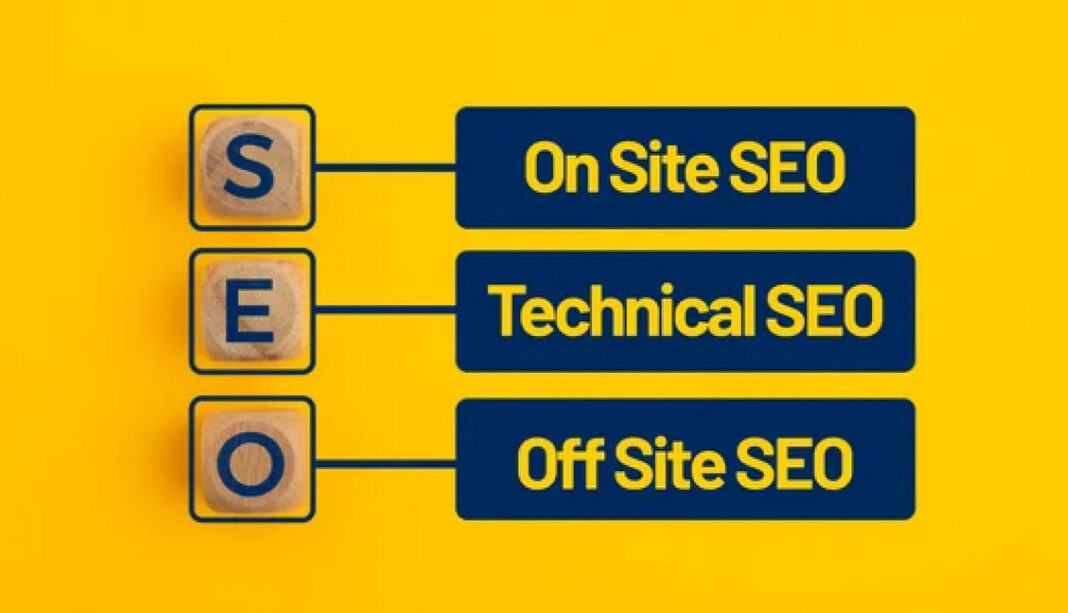
Technical SEO for directories means handling unique challenges like duplicate content, crawl performance, and structured data. These elements decide how well search engines understand and rank your content.
Get the technical work right and you get the difference between a directory that ranks for specific searches and one that gets lost despite having quality listings.
Schema markup implementation
Local Business schema helps search engines understand your listings and show them in rich snippets. Add thorough schema for business name, address, phone number, hours, and other relevant details.
BreadcrumbList schema improves navigation understanding and can generate breadcrumb rich snippets in search results. This is especially useful for directories with complex category hierarchies.
Review schema lets review ratings appear in search results, which improves click-through rates for your listings. Add this schema for all listings that include customer reviews.
Organization schema for the directory itself helps search engines understand your site’s purpose and authority. Include your directory’s focus, coverage area, and contact details.
Crawl optimisation strategies
Robots.txt optimisation keeps search engines focused on your most important content. Block low-value pages like search result pages, user account areas, and administrative functions, and keep all business listings crawlable.
Internal linking spreads crawl budget efficiently through your directory. Create logical link paths that guide crawlers from category pages to individual listings and related content.
Page load optimisation is vital for large directories. Use lazy loading for images, optimise database queries, and use caching to keep loading times fast across all pages.
Duplicate content management keeps search engines from getting confused by similar listings or category pages. Use canonical tags where they belong and write unique content for each business listing and category page.
Mobile optimisation excellence
Mobile-first design helps your directory perform in Google’s mobile-first indexing. Design with mobile users as the priority, then improve the experience for desktop.
Touch-friendly navigation makes your directory easy to use on phones. Size buttons and links appropriately, and make sure menus work well with touch.
Local search optimisation matters even more on mobile. Make sure your listings show well in local results and give quick access to contact information and directions.
App-like features can improve user experience and engagement. Consider offline access to saved listings, push notifications for new businesses, and location-based recommendations.
Performance monitoring and analytics
Monitoring your directory’s SEO means tracking metrics that fit directory goals. Unlike typical websites, directories need to watch both overall site performance and individual listing performance.
Good monitoring shows you which strategies produce the best results and where to focus your effort for the most impact.
Key Insight: Directory success metrics differ from typical website metrics. Track listing visibility, local search rankings, and user engagement with business information rather than just overall traffic.
Tracking the metrics that matter
Organic search traffic growth shows overall SEO success, but break it down by listing categories, geographic regions, and search intent. Track both branded searches for your directory and unbranded searches for listed businesses.
Local search visibility measures how well your listings appear in location-based searches. Watch rankings for “businesses near me” queries and track local pack appearances.
Backlink growth and quality metrics show how your link building is doing. Track not just the number of backlinks but their quality, relevance, and the variety of linking domains.
Engagement metrics like session duration, pages per visit, and return visitor rates show whether your directory gives users real value. High engagement tells search engines your content is worth showing.
Competitive analysis framework
Regular competitor monitoring reveals opportunities and threats in your space. Track competitor backlink acquisition, content strategies, and ranking improvements to find gaps in your own approach.
Keyword gap analysis shows search terms where competitors rank but you don’t. Focus on these to widen your directory’s search visibility.
Content gap analysis shows types of content competitors publish but you don’t. This can guide your content strategy and point you toward new link building opportunities.
Technical performance comparison makes sure your directory meets or beats competitor standards for site speed, mobile experience, and search functionality.
Measuring ROI
Link building ROI calculation helps justify continued spending on backlinks. Track the cost per acquired backlink and measure the traffic and ranking improvements that come from specific campaigns.
Content marketing ROI shows which types of content generate the most backlinks and engagement. Put your effort into the formats and topics that return the most.
Conversion tracking for directory goals might include listing submissions, user registrations, or premium listing upgrades. Connect these back to specific SEO and link building efforts.
Long-term value assessment considers the cumulative impact of your work over time. Directory SEO often shows compounding returns as authority builds and your backlink profile strengthens.
Future directions
The future of directory SEO is about creating genuinely useful resources that serve both businesses and consumers. Search engines keep rewarding directories that give thorough, accurate, and regularly updated information rather than plain listing repositories.
Voice search optimisation will matter more as people search for local businesses through voice assistants. Optimise your listings for conversational queries and make business information easy to reach through voice results.
Artificial intelligence can improve both user experience and search engine understanding. Consider AI-powered search, automated content for business descriptions, and personalised recommendations based on user behaviour.
Video content will matter more as search engines put greater weight on multimedia. Encourage businesses to submit video and create video-based directory features that show off listed businesses.
What if you could predict which businesses in your area will succeed before they do? By analyzing patterns in successful listings and local market trends, your directory could become a predictor of business success, drawing more attention from media and potential partners.
Turning your directory into a strong SEO asset takes consistent effort, planning, and genuine value. The directories that last focus on serving their users well while running sound technical and content strategies that search engines reward.
Start with solid technical foundations, build careful partnerships, create valuable content, and watch your progress. Together, these steps turn your directory from a plain business listing site into a resource that ranks well and sends meaningful traffic to listed businesses.
SEO results compound over time. The backlink profile you build today keeps paying off for years, making your directory a stronger asset in the competitive world of online business discovery.
