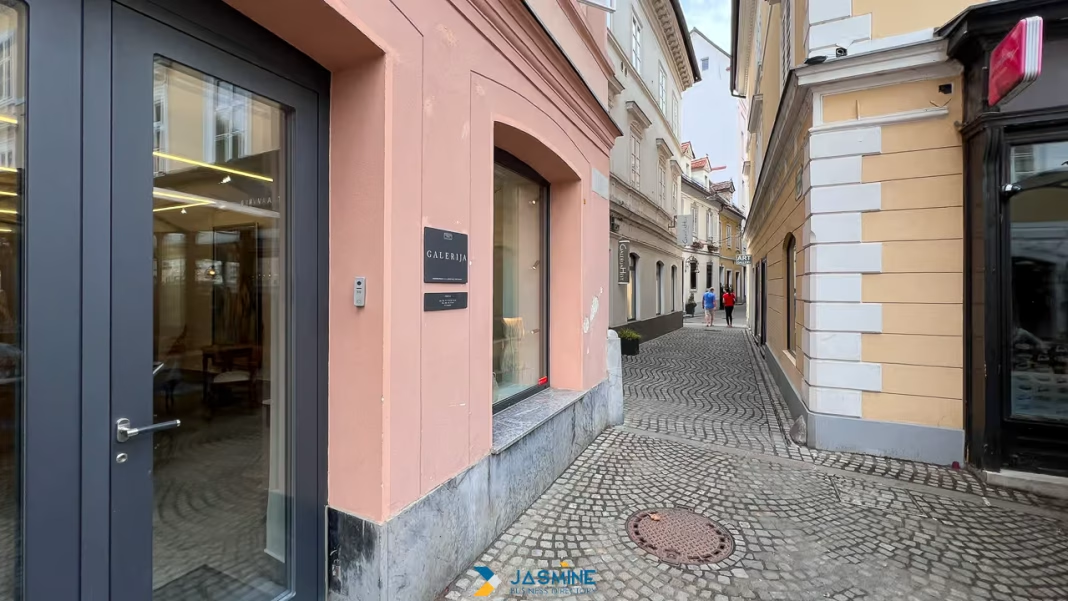
Hyper-local marketing isn’t about dropping your town’s name into every social post and calling it done. It’s about creating content that connects so well with your immediate community that locals feel like you’re speaking directly to them, because you should be. That means understanding how your neighbourhood actually works, from the morning coffee rush at the corner cafe to the weekend farmers’ market conversations.
You’ll learn how to make content that turns casual browsers into loyal customers by tapping into the hyperlocal mindset. This is about content strategies that make your business feel like part of the community, not just another company chasing a quick sale.
Did you know? According to Columbia Public Health research, content analysis shows that location-specific messaging generates 73% higher engagement rates than generic content approaches.
Hyper-local content strategy fundamentals
A hyper-local content strategy means thinking like your customers’ favourite neighbour, the one who knows everyone’s name, remembers their kids’ football matches, and always has the inside scoop on what’s happening around town. It isn’t about lines on a map; it’s about the connections that hold a community together.
My experience with local businesses taught me that successful hyper-local content feels effortless, like a natural conversation at the pub. It shouldn’t scream “marketing campaign” but sound more like local insider knowledge. The trick is balancing promotional content with genuine community value.
Insider knowledge like that costs nothing but the attention it takes to gather, which is exactly the thinking behind promoting a local shop without a budget.
Geographic targeting parameters
Geographic targeting goes beyond postcodes and council boundaries. You’re looking at micro-communities within your area: the dog walkers who use the same park every morning, the commuters who grab coffee from the same station platform, or the parents who cluster around specific schools at pickup time.
Consider radius-based targeting that reflects how customers actually behave. A local restaurant might target within a 2-mile radius on weekdays but expand to 5 miles for weekend events. These parameters should flex with your business type and how far your customers travel.
Weather, local transport links, and even road works can shape your geographic targeting. I’ve seen businesses shift their content focus from one neighbourhood to another simply because temporary roadworks made their usual customer base harder to reach.
Quick Tip: Use local landmarks as reference points in your content rather than street addresses. “Near the old oak tree by the library” resonates more than “123 High Street.”
Community-specific messaging frameworks
Every community has its own language: local slang, shared references, and cultural touchstones that outsiders wouldn’t immediately catch. Your messaging should include these naturally, without forcing dialect that sounds fake.
Think about the stories your community tells about itself. Is it a former mining town proud of its industrial heritage? A seaside village that fills with tourists each summer? A suburban area where everyone knows the best shortcut around the morning traffic? Those narratives should shape your content voice.
Timing matters a lot in community messaging. A post about weekend activities hits differently on a Tuesday than on a Friday. Local events, school holidays, and even bin collection days can change when and how your message lands.
Local search intent analysis
Local search intent shows what your community actually wants to know, not what you think they should want. People search for “best fish and chips near me” very differently from “award-winning sustainable seafood restaurant.” That difference should shape your content.
Seasonal search patterns in your area might surprise you. Coastal communities search for different things in winter than inland areas do. Urban neighbourhoods have different search rhythms than suburban ones. Your content calendar should reflect these local search behaviours.
| Search Intent Type | Local Example | Content Response |
|---|---|---|
| Immediate Need | “Plumber open now” | Emergency service posts with contact details |
| Event Planning | “Birthday venues Manchester” | Local venue guides with booking information |
| Discovery | “Things to do this weekend” | Weekly activity roundups and recommendations |
| Comparison | “Best curry house Brick Lane” | Honest reviews and local favourite lists |
Location-based content types
Location-based content works because it speaks to a basic human need to belong somewhere. When you make content that celebrates, informs, or connects people to their surroundings, you’re not just marketing; you’re community building.
The best location-based content doesn’t feel like content at all. It feels like local knowledge shared between friends, recommendations passed along at the school gates, or tips whispered over the garden fence.
Neighbourhood event coverage
Event coverage turns your business from observer into community chronicler. You’re not just attending the local summer fete; you’re documenting the moments that matter to your neighbours. That builds real connections because you’re celebrating what your community already cares about.
Live coverage works especially well on social platforms. Short videos of the local band setting up, glimpses of volunteers preparing, or quick interviews with stallholders make authentic content that locals want to share. According to TikTok statistics research, local event content generates much higher engagement rates than generic promotional material.
Don’t just cover the obvious events. The monthly vintage market, the weekly park run, or the quarterly residents’ association meeting might seem ordinary, but they’re gold for hyperlocal content. These regular gatherings are the rhythm of community life.
Success Story: A local bakery in Leeds started live-tweeting their neighbourhood’s weekly farmers’ market, interviewing vendors and sharing food preparation tips. Within six months, their Saturday sales increased by 40% as market-goers began stopping by for coffee and pastries.
Remember to follow up after events. Share photos, thank volunteers, and highlight the moments people will remember. This post-event content often does better than live coverage because people have had time to process the day and want to relive it.
Local business spotlights
Business spotlights work when they feel like genuine recommendations rather than promotional trades. The key is storytelling, focusing on the people behind the business, their connection to the community, and why they matter to local life.
Interview the fishmonger about where he sources his catch, or chat with the bookshop owner about which local authors she recommends. These conversations show the knowledge and passion that make local businesses special. They also create content that other businesses want to share, which extends your reach.
Collaborative spotlights work particularly well. Feature the local florist alongside the wedding venue, or pair the vintage clothing shop with the alteration service next door. These partnerships reflect how local businesses actually support each other and give your audience more value.
Timing your spotlights well can widen their impact. Feature the garden centre just before spring planting season, or highlight the local pub before a major sporting event. That makes your content useful right when people need it.
Community issue discussions
Addressing community issues takes a careful balance: you want to show you care about local concerns without getting overly political or controversial. Focus on practical issues that affect daily life, like transport problems, local development projects, or environmental initiatives.
Your job isn’t to solve these issues but to help people talk about them well. Share factual information, give space for different viewpoints, and highlight positive community responses. That positions your business as a responsible member of the community rather than just another commercial entity.
Local environmental initiatives are especially good content opportunities. Whether it’s supporting the community garden, joining litter picks, or promoting local recycling programs, environmental content connects across different demographics and political views.
Key Insight: Community issue content performs best when it focuses on solutions and positive actions rather than complaints or criticism. People want to feel empowered, not frustrated.
Follow up on issues you’ve discussed. If you’ve written about traffic problems, tell your audience when improvements arrive. That follow-through shows real community engagement and keeps people informed about local developments.
Regional service offerings
Regional service content works when it addresses the specific challenges and opportunities of your area. A landscaping business in a coastal town faces different problems than one in a mountainous region, and your content should reflect that.
Seasonal service content does well because it matches immediate customer needs. Heating engineers can write useful content about preparing for winter, while garden maintenance services share spring preparation tips. That timing makes your expertise relevant right away.
Local regulations, climate, and regional preferences all shape how you present your services. Content about planning permission requirements, local building regulations, or regional architectural styles shows the deep local knowledge that generic competitors can’t match.
Case studies of local projects work exceptionally well for service businesses. Show the before and after of a local kitchen renovation, document the installation of solar panels on a neighbourhood house, or follow the progress of a community garden project you’ve supported.
Content performance and measurement
Measuring hyperlocal content success requires different metrics than traditional marketing campaigns. You’re looking for depth of engagement rather than breadth of reach. A post that draws 50 meaningful comments from local residents often beats one with 500 likes from random users.
Community engagement matters more than vanity statistics. Are people sharing your content with local friends? Are they tagging their neighbours in your posts? Are they using your content to start conversations about local issues? Those behaviours point to a real community connection.
Engagement quality assessment
Quality engagement in hyperlocal marketing looks different from generic social media success. You want conversations, not just reactions. When locals start discussing your content in the comments, sharing personal experiences, or asking follow-up questions, you’ve earned real community engagement.
Watch how often your content gets shared in local Facebook groups, neighbourhood WhatsApp chats, or community forums. That organic sharing shows your content adds real value to local conversations.
Track mentions of your business in local contexts, not just tagged posts, but casual references in community discussions too. When someone recommends your business naturally in a local Facebook group, that’s worth more than a dozen generic reviews.
Local reach optimization
Local reach optimization means knowing the specific platforms and channels your community actually uses. Some neighbourhoods lean on Facebook, others prefer Instagram, and some rely on local WhatsApp groups or community apps like Nextdoor.
Adapting content across platforms makes sure your message reaches different parts of your local audience. The same event coverage might work as a detailed Facebook post, an Instagram story series, and a brief LinkedIn update, each tailored to how locals use that platform.
Timing your posts for local audiences means understanding your community’s daily rhythms. Commuter towns have different best posting times than residential areas. Weekend patterns vary a lot between urban and suburban communities.
Myth Debunked: Many businesses believe posting during “standard” peak hours (9 AM, 1 PM, 5 PM) works for local marketing. Research shows local audiences often engage more during community-specific times, school pickup hours, evening dog walks, or weekend morning coffee runs.
Community feedback integration
Community feedback should actively shape your content strategy, not just confirm it. When locals suggest topics, raise concerns, or ask for specific information, those interactions become content ideas you know people want.
Build feedback loops that make community input easy and worthwhile. Regular “What would you like to know about?” posts, community polls, or simple question boxes can generate months of content ideas straight from your audience.
Respond to feedback publicly when it makes sense, showing that you value community input. That openness builds trust and encourages more people to share their thoughts.
Distribution channel strategy
Distribution channels for hyperlocal content go well beyond your own social media accounts. The best hyperlocal marketing uses the whole ecosystem of local communication, from community Facebook groups to local newspaper websites.
Working out where your community actually gets its information takes research and observation. Some areas depend heavily on local Facebook groups, others use community apps, and many still value local newspaper websites and email newsletters.
Platform-specific local approaches
Each platform serves a different purpose in local communities. Facebook groups support discussion and information sharing, Instagram shows off visual content and behind-the-scenes glimpses, and LinkedIn can connect you with local business networks and professional communities.
Adapting to a platform goes beyond formatting; it means understanding how locals use each channel. Instagram might work well for local events and businesses, while Facebook groups are better for discussing community issues or sharing practical information.
Local hashtag strategies can help your content reach the right audiences, but avoid over-tagging or using irrelevant local hashtags just for visibility. Authenticity matters more than reach in hyperlocal marketing.
Community partnership channels
Partnering with local organizations, schools, charities, and other businesses creates distribution channels that reach well beyond your immediate audience. These partnerships bring credibility and access to established local networks.
Guest content with local blogs, community newsletters, or organizational websites can position your business as a local expert while reaching new people. The key is providing genuine value rather than obvious promotion.
Cross-promotion with complementary local businesses helps everyone. A local gym might partner with a healthy cafe, or a bookshop might work with a coffee roaster, and both benefit from the wider reach.
Consider listing your business in reputable directories like Jasmine Business Directory to improve local visibility and give customers more ways to find your hyperlocal content and services.
What if: Your biggest competitor started copying your hyperlocal content strategy? The beauty of authentic community connection is that it can’t be easily replicated. Genuine local relationships and community knowledge take time to build and can’t be faked through copied content.
Traditional media integration
Local newspapers, radio stations, and community magazines still play important roles in many places. These traditional channels often carry established trust and regular readership that digital-only approaches can’t match.
Press releases for local media should focus on real news value: community events you’re sponsoring, local hiring initiatives, or new services that benefit the area. Skip the obvious promotional content that local media won’t use.
Building relationships with local journalists and editors can lead to ongoing coverage. Those relationships grow through consistent, useful contact rather than one-off promotional pushes.
Future-proofing your hyperlocal strategy
Hyperlocal marketing keeps changing as communities shift, new platforms appear, and local communication patterns move. The businesses that last adapt their methods while keeping their community connections real.
Technology changes how communities communicate, but the human need for local connection stays the same. Your hyperlocal strategy should adopt new tools while staying grounded in genuine relationships.
Emerging local technologies
Community apps, neighbourhood social networks, and location-based services open new opportunities for hyperlocal marketing. But these platforms only succeed when they genuinely serve community needs rather than just adding another ad channel.
Augmented reality and location-based features on existing platforms offer creative options for hyperlocal content. Virtual tours of local businesses, location-specific offers, or AR-enhanced local history content can engage audiences in new ways.
Voice search optimization for local queries matters more as smart speakers and voice assistants spread. Your content should answer the questions locals ask out loud, not just what they type.
Community evolution adaptation
Communities change: new residents arrive, demographics shift, and local priorities move. Your hyperlocal strategy has to stay flexible enough to adapt while keeping its community connections real.
Regular community research helps you keep up with changing local needs and interests. That might mean informal chats with customers, watching local social media discussions, or attending community meetings.
Generational differences in communication preferences call for a multi-channel approach that reaches different age groups where they’re comfortable. Younger residents might prefer Instagram and TikTok, while older community members might rely on Facebook or email newsletters.
Quick Tip: Create a quarterly “community pulse check” where you review local demographics, communication patterns, and emerging community interests. This regular assessment keeps your strategy current and relevant.
The best hyperlocal marketing strategies balance consistency with adaptability. Your commitment to community value stays constant, but your methods and channels change with your audience’s needs and preferences.
Where hyperlocal marketing goes next
Hyperlocal marketing works because it treats customers as neighbours rather than demographics. The content that works best feels like a natural community conversation: informative, engaging, and genuinely useful to local life. Whether you’re covering neighbourhood events, spotlighting local businesses, or discussing community issues, authenticity beats perfection every time.
The next stage of hyperlocal marketing is deeper community integration, not broader reach. Businesses that understand their community’s rhythm, communication preferences, and real needs will build advantages that larger, less connected competitors can’t easily copy.
Your hyperlocal content strategy should evolve with your community while keeping one principle intact: good marketing serves community needs first and business goals second. When you consistently give your local audience real value, commercial success follows.
Start small, be authentic, and remember that the best hyperlocal marketing doesn’t feel like marketing at all. It feels like being a good neighbour who happens to run a business.
