
A polished coin listing can make a large purchase feel deceptively simple. The product has a name, the website shows a price, and the dealer displays glowing reviews. What’s harder to see is how that business handles a delayed shipment, an unexpected fee, or a customer who wants to sell the metal back.
Choosing a precious-metals dealer means judging a business relationship, not just selecting gold or silver. Buyers often commit substantial sums before they’ve seen the goods or tested the seller’s promises. With quotes and sales pitches arriving through the same screen, the distinction between convincing presentation and verifiable substance matters. The question isn’t which dealer sounds most reassuring, but what evidence supports that reassurance before money changes hands.
Short Answer: Five Checks Every Dealer Must Pass
A reputable precious metals dealer should pass five checks before money changes hands:
- Verifiable credentials: Confirm its identity, affiliations, and complaint history through independent records, not just its website’s testimonials.
- Pricing transparency: Compare the total cost, including the premium over spot price, shipping, insurance, and payment-method fees.
- A clear buyback program: Look for published buyback prices that show what the dealer would pay for your metal.
- No sales pressure: Walk away from urgency, fear-based pitches, or unexplained attempts to steer bullion buyers toward collectible coins.
- Written terms: Establish storage arrangements, shipping deadlines, insurance responsibility, and return conditions before paying.
How to Confirm a Dealer Is Legitimate
An initial verification pass can take about fifteen minutes. It should establish whether the dealer’s identity, affiliations, and complaint record match its presentation.
First, match the business’s legal name and physical address against its state registration. The filing date indicates the registered entity’s age; its current status shows whether registration remains active. Neither active registration nor a long history proves honest dealing.
Next, check credentials at their source. Professional Numismatists Guild (PNG) membership involves an ethics code and arbitration commitments. Check whether the dealer is listed and whether that process covers the proposed transaction. American Numismatic Association (ANA) affiliation is a separate credential, not an interchangeable endorsement.
Verify claimed US Mint Authorized Purchaser status through the issuing organization. That designation concerns a particular purchasing relationship, not a blanket transaction guarantee.
Then examine Better Business Bureau (BBB) and Business Consumer Alliance (BCA) records. Complaint details matter more than ratings: repeated delivery disputes, unexplained charges, or unresolved refunds deserve more attention than a single dissatisfied review.
Finally, compare those records with customer reviews. Reviews identify recurring experiences, but dealers control which testimonials appear on their websites. A traceable business history and independently verifiable address provide firmer evidence than review volume alone. There’s no useful “most trusted gold dealer” label without that underlying record.
What You Actually Pay Above the Spot Price
The advertised coin price is only part of the transaction. Pricing transparency means identifying the metal’s reference value, the dealer’s markup, and every charge attached to completing the purchase.
How Spot, Premium and Fees Add Up
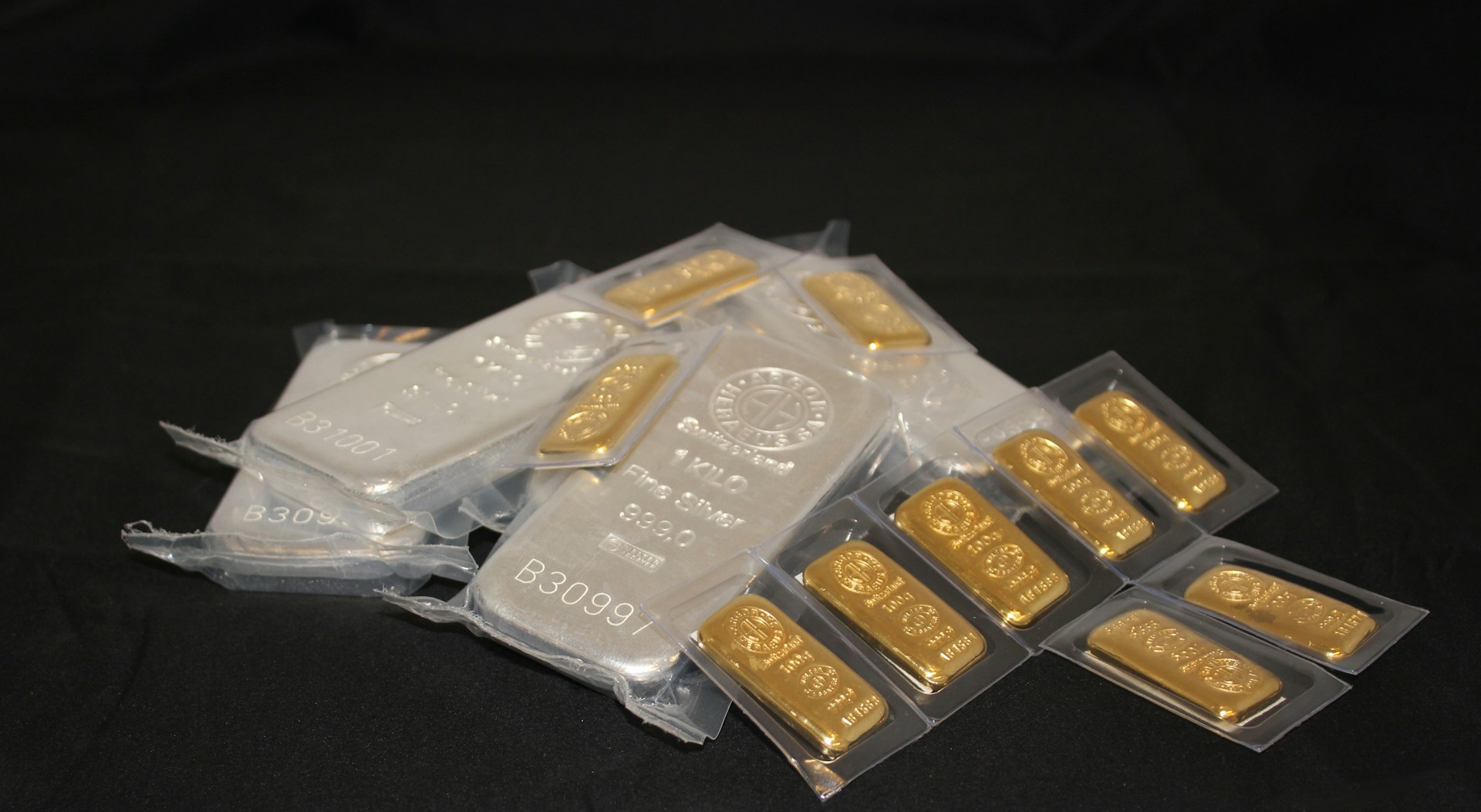
Like-for-like comparisons reveal premium differences: American Silver Eagle Type 2 coins, Canadian Maple Leafs from the Royal Canadian Mint, and Perth Mint bullion offer identifiable products to compare across dealers, provided condition, quantity, and packaging match.
For a type 2 silver eagle comparison, the quote must specify the newer design. U.S. Mint Type 2 coins began in 2021, so the listing’s year doesn’t always settle the design question during that transition.
The purchase calculation is straightforward:
Total cost = metal value at spot price + dealer premium + shipping and insurance + payment-method fees.
For a hypothetical $10,000 gold purchase, subtract fixed charges, then divide the remaining budget by the all-in price per ounce. With $100 in fixed charges and a quoted price of $2,500 per ounce, the budget covers 3.96 ounces. These are illustrative inputs, not a current market quote.
Compare card, wire, and check prices separately, including shipping and delivery charges. An unusually expensive quote for an identical product needs a specific explanation, not a vague claim of superior quality.
Why the Buy-Sell Spread Matters When You Sell
A buyback program becomes meaningful with an actual bid or clear pricing method. “We buy gold and silver” doesn’t explain what the seller will receive.
The buy-sell spread is the difference between the dealer’s selling price and purchase offer at the same moment. Comparing them separates the transaction gap from later metal-price changes. Storage and other charges remain separate ownership costs.
Standard sovereign bullion offers a clearer comparison than numismatic coins, whose prices reflect rarity and condition. Rather than assuming recognizable coins always have tighter spreads, compare simultaneous bids for the exact products under consideration.
Warning Signs and the Fine Print Worth Reading
A clear quote doesn’t excuse unclear conduct. The next test is whether the dealer stays focused on the requested product and explains what happens after payment without pressure or evasions.
Sales Tactics That Should End the Conversation
A buyer seeking bullion shouldn’t have to defend that choice against repeated pitches for “rare” coins. Collectible coins involve different valuation questions. Switching to them without explaining pricing and resale changes the purchase rather than improving it.
The decisive warning sign is refusal to provide comparable figures.
Claims such as “silver could hit $500 an ounce” don’t establish today’s value or tomorrow’s selling price. A forecast used to justify immediate payment is sales pressure, not evidence supporting the quote. The same applies to fear-based pitches and deadlines that prevent verification.
Product authenticity deserves a separate answer. The dealer should explain its sourcing from mints or authorized distributors, authentication process, and remedy for disputed items. A familiar design or professional-looking photograph isn’t proof of authenticity. These questions distinguish a documented supply chain from assurances used in precious metals scams.
Storage, Payment and Return Terms to Get in Writing
Secure vault storage needs a precise description. Segregated storage should explain how particular bars or coins remain separate from other customers’ holdings. For unallocated storage, examine whether the contract grants ownership of identifiable metal or merely a claim against the provider.
The label alone doesn’t settle the buyer’s rights.
Before a wire payment, written terms should establish stock availability, shipping deadlines, tracking, and transit insurance responsibility. They should also identify when responsibility transfers and who handles missing-package claims.
Return terms need equal attention. A return window is incomplete without cancellation charges, market-loss calculations, and product exclusions.
For a self-directed IRA, the dealer’s supply role must remain distinct from the custodian’s role in arranging custody. Check eligibility against IRS requirements, including applicable purity standards and exceptions, rather than accepting an unsupported “IRA-approved” label.
Pick the Dealer You Would Trust to Buy It Back
The strongest final test looks beyond the purchase: would the buyer be comfortable returning to the same dealer and selling at its stated buyback price? That question exposes the difference between an attractive offer and a transaction whose costs and terms remain understandable at the exit.
A reputable dealer doesn’t need one perfect review score to establish credibility. Its business identity can be verified, its total price can be compared, and its written terms explain delivery, storage, and disputes.
The decision therefore rests on evidence that holds together. A low purchase price doesn’t offset an unexplained resale gap, and reassuring credentials don’t excuse pressure. The right choice is the dealer whose documented conduct supports both sides of the transaction.
