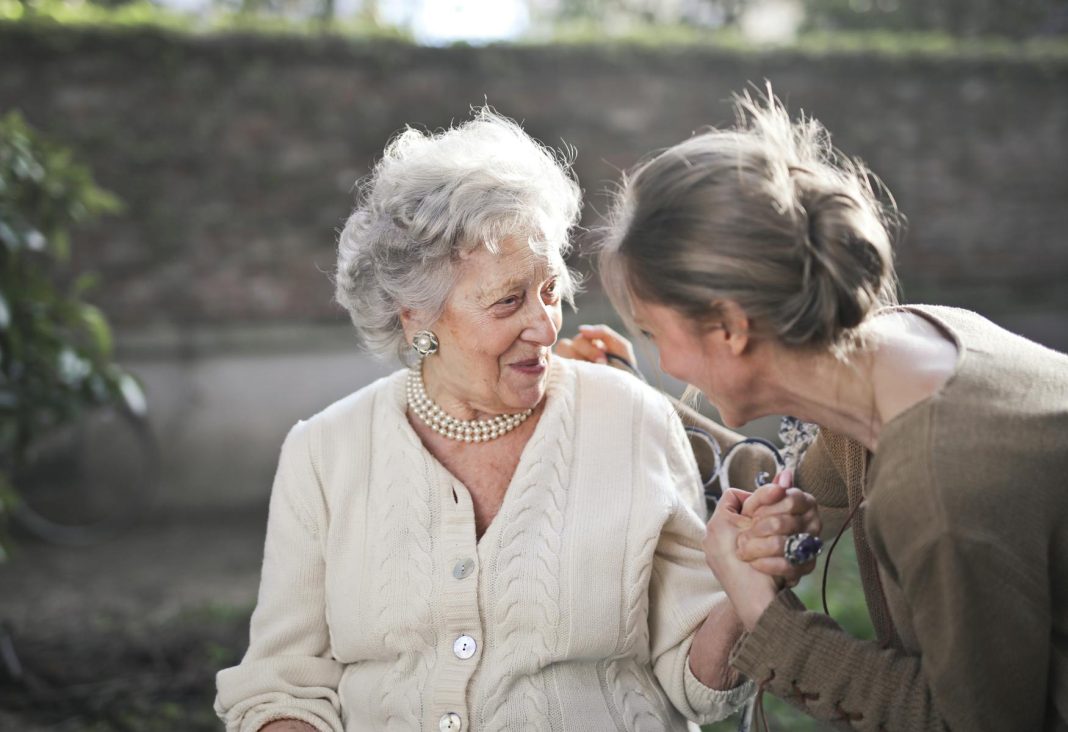
The importance of senior care
As people age, they need dedicated care and attention that respects the dignity of older adults. Aging populations are a reality worldwide, and demand for senior care services keeps climbing. More than 962 million people aged 60 and above are alive today.
Those figures from the World Health Organization show why senior care services need to expand and improve. A strong system lets seniors age with dignity and comfort in their later years. Facilities specializing in memory care in FL offer tailored solutions built on empathy and professional health management.
Types of senior care services
Several types of senior care services exist to meet the varied needs of aging individuals. These include in-home care, assisted living, and nursing homes, each with its own benefits. In-home care is common, providing unobtrusive support in a familiar setting. It covers personal tasks and basic medical needs, so seniors can keep their independence.
Assisted living offers a community-based option that balances independence with help for daily tasks. Nursing homes serve those with more intensive medical requirements and provide round-the-clock professional care. Each type puts the senior’s lifestyle preferences and health needs first.
Selecting the appropriate care for your family members
Choosing the best care option for a loved one is a big decision that calls for careful thought about their personal and medical needs. The main factors are the type of medical assistance required, the level of independence wanted, and lifestyle preferences. An informative guide can clarify the process by explaining various care settings, amenities, and caregiver qualifications.
Benefits of compassionate care
Seniors need compassionate care that attends to their emotional and mental needs as well as their physical ones. Care marked by empathy and support improves their quality of life, reduces stress, and helps cognitive health. Setting routines and building social connections both enrich their lives.
Innovations in senior care
Senior care keeps advancing with technologies that improve how care is delivered. Telemedicine gives seniors with mobility issues better access through virtual consultations, cutting down on trips to healthcare facilities.
Smart home devices add safety features like fall detection and medication reminders. Health management apps let seniors track their own health metrics, which supports independence and preventive care.
Exploring cost-effective care solutions
Paying for senior care can be hard, but you can manage costs without giving up quality. Making the most of insurance coverage and looking into government assistance can offset expenses. Community resources and non-profit organizations also offer affordable options and support. Connecting with local groups can turn up useful resources, including volunteer services and discounted care, which lowers costs considerably.
Involving family in care decisions
Family matters a great deal in elder care decisions, because it helps make sure every part of a senior’s life is considered. Shared experiences and insights make the decision-making process richer and the move into care services smoother and more supportive.
Family support also improves a senior’s emotional well-being. Open communication within the family builds agreement on care choices, which leads to better outcomes for everyone.
The future of senior care
Senior care is heading toward advances driven by technology and personalized care plans. Strategies are becoming more responsive and human-centered, meeting the changing needs of seniors. As the world’s aging population grows, technology will be central to delivering effective, compassionate care that protects dignity and quality of life.
Training and development for caregivers
Professional development for caregivers keeps senior care at a high standard. Specialized training programs give caregivers skills in geriatric care, dementia management, and emergency response. Beyond technical skills, these programs stress empathy and communication so caregivers can meet seniors’ emotional and social needs. Ongoing education keeps caregivers current with the latest care approaches and technologies, which directly improves life for seniors.
Cultural sensitivity in elder care
As communities grow more diverse, culturally sensitive care has become essential. This approach respects seniors’ cultural backgrounds, religious practices, and language preferences. Care facilities increasingly offer multilingual staff, culturally appropriate meals, and celebration of various cultural holidays. That attention creates familiar settings where seniors feel understood and respected, which reduces isolation and improves mental well-being.
Mental health support for aging populations
Mental health is now recognized as a key part of good senior care. Depression and anxiety among seniors often go undiagnosed because people assume they are a normal part of aging.
Many care facilities now include mental health screenings, therapy services, and social activities meant to support psychological wellness. These steps help seniors keep their cognitive function and emotional stability, which improves their overall quality of life.
Palliative and end-of-life care considerations
Conversations about end-of-life care are becoming more common within senior care. Palliative care aims to relieve the symptoms and stress of serious illness, while hospice care offers compassionate support during the final stages of life. Both put comfort, dignity, and quality of life ahead of aggressive medical intervention. Early conversations about these options let seniors state their preferences and keep a say in their care.
Environmental design in senior living spaces
The physical environment shapes seniors’ well-being and how well they function. Modern senior living facilities use universal design principles that accommodate different mobility levels while still looking pleasant.
Good lighting, non-slip flooring, and accessible bathrooms lower fall risks. Therapeutic gardens and communal spaces encourage social interaction and sensory stimulation, which especially helps those with cognitive impairments.
Nutritional approaches in elder care
Nutrition helps seniors stay healthy and avoid chronic conditions. Specialized dietary programs address age-related nutritional needs, medical conditions, and interactions with medication. Some facilities employ nutritionists who build personalized meal plans around both nutritional requirements and food preferences. Communal dining also handles the social side of eating, easing isolation while making sure seniors eat well.
Holistic wellness programs
Senior care increasingly takes on wellness that covers physical, mental, emotional, and spiritual health. Programs might include gentle exercise classes, meditation sessions, art therapy, and spiritual support. These approaches treat all aspects of health as connected. By supporting overall wellness rather than only treating ailments, they help seniors stay independent and enjoy a better quality of life.
Intergenerational programs and community integration
Programs that connect seniors with younger people benefit both sides. They break down age segregation and build understanding between generations.
Activities might include mentoring, shared learning, or joint community projects. These connections help seniors keep a sense of purpose and belonging, while younger participants gain wisdom and historical perspective, and communities grow more cohesive.
Ethical considerations in senior care
Senior care still wrestles with hard ethical questions, including autonomy versus safety, quality of life versus prolonging life, and how to allocate resources. Care providers increasingly bring ethics committees into difficult decisions and develop clear frameworks for these situations. Being open about policies and practices builds trust with seniors and their families and keeps care decisions in line with personal values and preferences.
Advocacy and policy development
Advocacy matters for improving senior care at both institutional and governmental levels. Organizations push for policies that protect seniors’ rights, raise care standards, and keep care affordable. Involving seniors themselves in advocacy makes sure policies reflect their real needs and preferences. As the global population keeps aging, strong advocacy will be essential to building sustainable, dignified care systems that serve seniors everywhere.
