With a growing emphasis on environmental responsibility, businesses today are increasingly seeking ways to reduce their ecological impact while optimizing the performance of their commercial properties.
Roofing decisions play a pivotal role in achieving these goals: innovative, sustainable solutions now span from bio-based systems to advanced materials that offer energy savings and stormwater control.
As business owners research eco-friendly options, many turn to a trusted commercial roofing contractor in central PA to help them navigate the latest advancements in sustainable technologies and industry best practices.
The advantages of sustainable roofing extend far beyond durability and compliance. Modern materials and designs can deliver substantial cost savings through increased energy efficiency, improved insulation, and reduced maintenance needs.
For companies aiming to elevate their brand image and demonstrate leadership in sustainability, investing in advanced roofing is one of the most visible and valuable choices.
Green Roofs
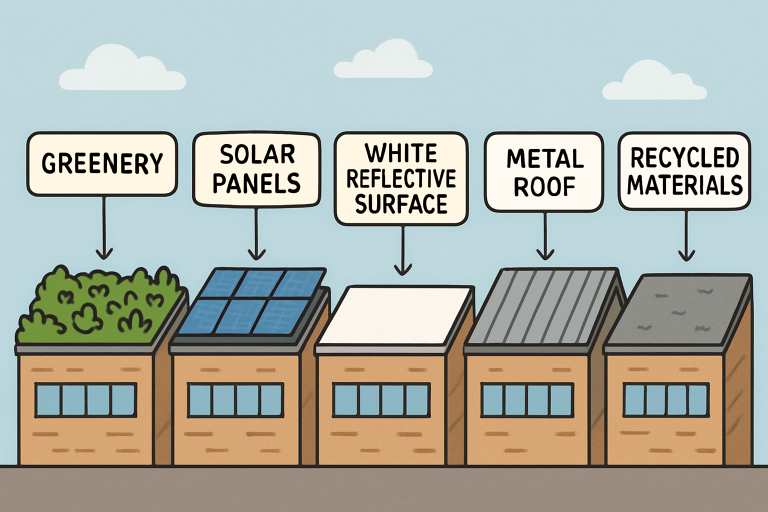
Green roofs, or living roofs, involve installing and maintaining vegetation across the rooftop surface, creating a mini-ecosystem atop commercial buildings. Beyond their clear aesthetic value, green roofs provide significant environmental benefits: they absorb rainwater, improve building insulation, and help mitigate the urban heat island effect.
In hot summer climates, these systems have been shown to lower roof surface temperatures by up to 30°C, thereby significantly reducing building cooling costs and promoting a healthier urban environment.
Solar Roofing
Solar roofing meshes renewable energy production with a traditional roofing function. The adoption of photovoltaic (PV) panels or integrated solar shingles allows businesses to convert sunlight directly into electricity and offset their utility expenses with clean, reliable energy. Elegant innovations such as solar shingles now resemble conventional roofing materials and protect the building envelope while actively generating power.
For example, solar shingle solutions are increasingly popular among forward-thinking commercial builders, providing both durability and sustainable energy for years to come.
Cool Roofs
Cool roof systems are engineered with highly reflective, light-colored materials that reduce the amount of heat transferred from the roof into the building. By reflecting more sunlight and emitting absorbed heat back into the environment, these roofs lower rooftop and interior temperatures, improving occupant comfort and reducing air conditioning load.
This practical solution not only combats the urban heat island effect but also proactively extends a roof’s lifespan by reducing thermal stress.
Metal Roofing
Metal roofing has long been a staple in sustainable construction due to its exceptional longevity, it can last 40 to 70 years, and its high recyclability. Most modern metal roofs are manufactured with a significant portion of recycled metal content and are fully recyclable at the end of their service life. Their natural reflectivity helps keep roof decks cooler, resulting in even greater energy savings for large commercial sites.
Recycled Materials
One of the greenest roofing choices is using recycled-content materials. Roofing shingles and membranes made from post-consumer plastics, rubber, and wood fibers help divert tons of waste from landfills, preserving natural resources and minimizing a building project’s carbon footprint.
Besides being tough and fire-resistant, these recycled roofing products often rival, or even exceed, the performance of conventional materials and are increasingly available to commercial property owners seeking to promote circular economy principles.
Smart Coatings
Advances in coatings technology have transformed roofing systems, with the latest smart coatings offering self-cleaning, water-repellent, and even pollution-reducing properties. Coatings with self-cleaning “lotus effect” characteristics minimize dirt buildup, help maintain solar reflectance, and reduce maintenance frequency.
These innovations not only protect the roof and extend its lifespan but also improve overall building performance by reflecting and repelling contaminants that can otherwise compromise efficiency and lead to costly repairs over time.
Blue-Green Roofs
Blue-green roofs extend the concept of green roofs by integrating subsurface water retention systems that store and gradually release stormwater beneath layers of vegetation.
This hybrid approach manages urban runoff more effectively, cools rooftop surfaces, and supports biodiversity while delivering measurable stormwater management and energy-saving benefits. Such roofs are especially valuable in dense city centers, where the dual threats of flooding and urban heat are most pronounced.
Conclusion
Modern businesses have more sustainable roofing options than ever before, allowing them to select solutions that align with their environmental commitments and operational needs. From living green roofs to recycled shingles and innovative smart coatings, each technology offers unique benefits and long-term value.
By partnering with experienced professionals and exploring the possibilities of modern sustainable roofing, companies can significantly improve their properties’ efficiency, resilience, and social responsibility.
