Key takeaways
- Online PDF signers speed up document management and cut manual steps.
- They add security measures that protect sensitive business information.
- Digital signing saves money and reduces paper waste.
- Electronic signatures carry legal recognition under established standards.
- They make collaboration and remote work easier for teams spread across locations.
What an online PDF signer does
An online PDF signer is a tool that lets you sign PDF documents electronically. You add a digital signature to a file without printing it, signing it by hand, and scanning it back in. Upload a PDF, place your signature, then save or share the finished document straight away. You can do this from a computer, a tablet, or a phone.
The main appeal is time. Signing on paper means several stages: print the document, sign it, scan the signed copy, then send it back. An online PDF signer collapses that into a few clicks and removes the physical handling entirely. If your business signs contracts, agreements, and other legal documents often, that difference adds up quickly over a month.
These tools also help with access and mobility. You can sign from anywhere with an internet connection, which suits remote work. You do not need to be in an office, and you do not need a printer or scanner nearby. That flexibility matters in work environments where time and location get in the way.
Security is another reason to switch. Online PDF signers typically use encryption to protect the authenticity and integrity of a signature. A handwritten signature can be forged or altered; a digital signature gives you a verifiable method of signing. Many services also keep an audit trail, so you have a record of when a document was signed and by whom.
Finally, signing online is easier on the environment. It cuts the paper, ink, and printing supplies you would otherwise use. Less physical handling means less waste and a smaller carbon footprint than traditional signing, which fits the wider move toward more sustainable business practices.
Streamlined document management
Efficiency drives most document decisions. An online PDF signer speeds up management by letting people sign quickly, without printouts, wet signatures, or a scanning step afterwards. That shortens the workflow and lowers the chance of the errors that creep into manual handling. Contracts, agreements, and other critical paperwork move in minutes rather than days, so nothing sits waiting on a desk for someone to return from lunch.
Stronger security measures
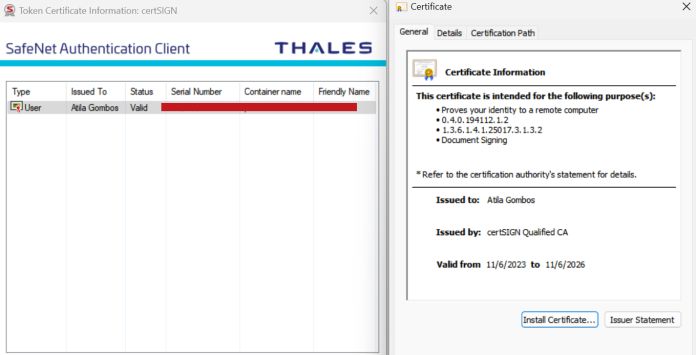
Security is a top priority for businesses dealing with sensitive information. Online PDF signers use encryption so documents cannot be quietly altered, and they authenticate the identity of each signer. Features such as two-factor authentication, secure storage, and detailed audit trails raise that protection further. Together they help prevent unauthorized access and changes, keeping confidential documents out of reach of common threats.
Cost savings and environmental benefits
Moving to electronic signing cuts the money you spend on paper, ink, and other printing materials. It also trims postage and physical storage. The savings are steady rather than dramatic, but they compound as volume grows.
A paperless setup helps beyond the balance sheet. Using less paper lowers your carbon footprint and fits current expectations around responsible operations. That reputation is worth something. The 2025 Edelman Trust Barometer found business is the most trusted of the four major institutions it measures, at 62% trust, ahead of NGOs, government, and media, and the only one people rate as both competent and ethical. Companies that act on that trust, including in how they handle everyday operations, tend to hold on to it.
Legal validity and compliance
One of the strongest reasons to use an online PDF signer is that electronic signatures are legally recognized. That recognition means a digitally signed document can hold up in court, which reassures both your business and your clients. Once you understand the legal frameworks that apply where you operate, you can rely on digital signatures for binding agreements with confidence. Most reputable signing services publish which standards they meet, so check that before you commit.
Better collaboration and remote work
As remote work becomes ordinary rather than exceptional, electronic signing removes a real bottleneck. Online PDF signers let teams work together regardless of where they sit. You can route a document to several signatories across different time zones, which speeds up approvals and cuts idle time. Work keeps moving even when people are not in the same building, so projects do not stall waiting for one signature.
Scalability for growing businesses
As a business grows, the number of documents needing signatures can climb fast. An online PDF signer scales to meet that demand without giving up speed or security. Whether you run a small start-up or a large company, the tool adjusts to your size and needs. Your document processes stay efficient and secure as the workload increases, rather than buckling under it.
Customer trust and professionalism
An online PDF signer can lift how your business looks and operates. It shows you use current technology to work more efficiently and serve clients better. Customers are more likely to trust a company that handles sensitive transactions smoothly. Trust is not a nicety here; it feeds directly into whether people choose you at all. Rachel Botsman, in Who Can You Trust? (2017), argues that trust has moved into a third era of distributed trust, in which ratings, reviews, and platform reputation systems let strangers extend confidence to businesses they have never met. The same logic applies to how you appear in the places where buyers look for and compare services: a firm that signs, delivers, and follows up cleanly earns the reputation that shows up in those listings and reviews. Reliable execution signals competence and integrity, which is what keeps clients coming back.
Where digital signatures are heading
Digital signatures keep gaining features. Biometric authentication and blockchain records are already improving how signatures are secured and verified, and that work continues. As more businesses shift to digital workflows, online PDF signers become a routine part of keeping document management efficient and secure. Watching these developments pays off if you want to stay competitive.
If you are choosing a tool today, start with three practical checks: confirm the legal standards it supports for your region, look at how it stores documents and logs the signing process, and test whether it fits the way your team actually passes work around. Get those right and the speed, savings, and trust follow.
