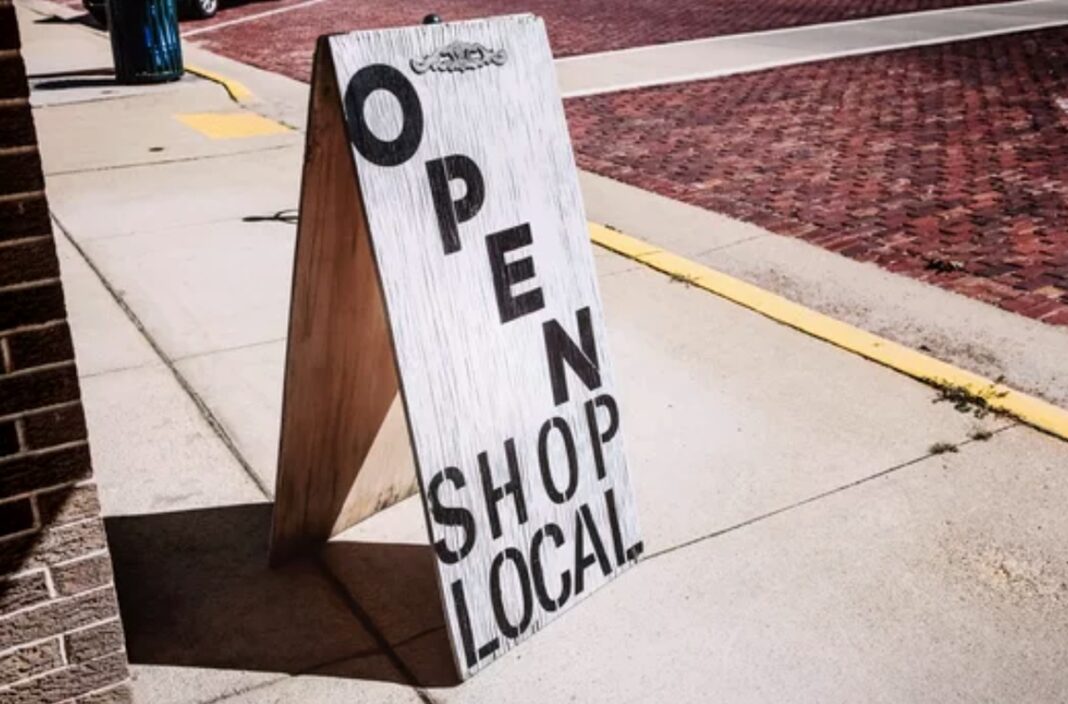
Running a local business can feel like juggling flaming torches while riding a unicycle. You have customers to serve, inventory to manage, staff to coordinate, and somewhere in all that, you still need to figure out how to get more people through your doors. Local business marketing isn’t rocket science, but it isn’t simple either.
What separates thriving local businesses from those struggling to stay afloat? A solid marketing plan that doesn’t break the bank. In my experience working with hundreds of local businesses, the ones that succeed understand a single truth: you don’t need to be everywhere at once, you just need to be in the right places where your customers are looking.
This article walks you through the strategies that actually work for local businesses in 2025. We’ll cover getting found online and building lasting customer relationships, all while keeping your sanity (and budget) intact. Here is how to turn your marketing from a necessary evil into your biggest competitive advantage.
Did you know? According to the U.S. Small Business Administration, businesses that actively manage their online presence see 70% more location visits than those that don’t. That’s not just a statistic, it’s money walking through your door.
Local SEO optimization strategies
Local SEO isn’t another marketing buzzword that consultants throw around to sound clever. It determines whether potential customers find you or your competition when they’re ready to buy. Think of it as your digital storefront, except this one never closes and works around the clock to bring customers to your actual storefront.
Here is what most business owners get wrong: they think local SEO is complicated. It’s methodical, yes, but complicated it is not. Search engines want to deliver the most relevant, trustworthy results to their users. Your job is to make it clear that you’re exactly what local customers are searching for.
Google My Business setup
Let’s start with the obvious one: Google My Business (now called Google Business Profile, though everyone still calls it GMB). If you haven’t claimed and optimized your GMB listing, you’re essentially invisible to the 4.8 billion people who use Google daily. That’s like having the best restaurant in town but forgetting to put up a sign.
Setting up your GMB profile properly takes about 30 minutes, but the impact lasts for years. Start with the basics: accurate business name, complete address, phone number, and website. Sounds simple? You’d be surprised how many businesses get this wrong. I’ve seen restaurants listed with outdated phone numbers and shops with addresses that lead customers to empty car parks.
Your business description is where you can stand out. Don’t just list what you do, explain why you do it better than anyone else in your area. Use natural language that your customers would use when searching. If you’re a plumber, don’t say “plumbing services.” Say “emergency plumbing repairs, bathroom renovations, and blocked drain clearing for homeowners in [your area].”
Quick Tip: Upload high-quality photos of your business, products, and team. Listings with photos receive 42% more direction requests and 35% more clicks than those without. Your smartphone camera is perfectly adequate, just make sure the lighting is good and the backgrounds are clean.
The categories you choose matter more than you might think. Google lets you select a primary category and several secondary ones. Choose the most specific primary category that describes your business, then add secondary categories that cover your other services. A bakery might choose “Bakery” as primary, then add “Wedding Cake Shop,” “Coffee Shop,” and “Catering Service” as secondary categories.
Local keyword research
Keyword research for local businesses means learning the language your customers speak when they need what you offer. The good news? Your customers aren’t using fancy marketing jargon. They’re using everyday language, often with a local twist.
Start by thinking like your customers. What problems do they have that you solve? A locksmith doesn’t just do “locksmith services.” They help people who are “locked out of house,” provide “emergency lock repair,” or offer “car key replacement.” These longer phrases, called long-tail keywords, are goldmines for local businesses because they show clear intent to buy.
Tools like Google’s Keyword Planner, Ubersuggest, or even Google’s autocomplete feature can reveal what people in your area are actually searching for. Type your main service plus your city into Google and see what suggestions pop up. Those suggestions represent real searches from real people in your area.
Here is something most businesses overlook: seasonal and event-based keywords. A florist should optimize for “Mother’s Day flowers [city]” months before the holiday. A tax accountant should target “tax preparation near me” starting in January. Planning your keyword strategy around your local calendar gives you a big advantage over competitors who only think about generic terms.
What if your business serves multiple locations? Create separate pages for each area you serve, optimized for that specific location. Don’t try to rank one page for “plumber London, Manchester, Birmingham.” It won’t work. Instead, create dedicated pages for “plumber in Manchester” and “plumber in Birmingham” with location-specific content.
Citation building techniques
Citations are like references on a CV: the more quality ones you have, the more trustworthy you appear to search engines. A citation is simply your business name, address, and phone number (NAP) listed on another website. Sounds boring? Maybe. It works? Absolutely.
The key to citation building isn’t quantity, it’s consistency and quality. Your business information must be identical across all platforms. If your GMB listing says “123 High Street” but your Yelp profile says “123 High St,” search engines get confused about which is correct. That confusion can hurt your local rankings.
Start with the major directories: Google My Business, Yelp, Facebook Business, Apple Maps, and Bing Places. Then move to industry-specific directories. A restaurant should be on OpenTable, Zomato, and TripAdvisor. A contractor should be on Angie’s List, HomeAdvisor, and local trade association directories.
Don’t forget about local directories and chamber of commerce listings. Many cities have their own business directories, and local newspapers often maintain business listings. These local citations carry extra weight because they’re geographically relevant. Jasmine Business Directory is another good platform for building quality local citations that can improve your search visibility.
| Citation Type | Examples | Impact Level | Effort Required |
|---|---|---|---|
| Major Directories | Google, Yelp, Facebook | High | Low |
| Industry-Specific | OpenTable, Angie’s List | High | Medium |
| Local Directories | Chamber of Commerce, City websites | Medium | Medium |
| Niche Directories | Professional associations | Medium | High |
Review management systems
Reviews are the modern equivalent of word-of-mouth recommendations, except they’re permanent, searchable, and visible to everyone. They’re also one of the strongest ranking factors for local search. Businesses with more positive reviews rank higher than those with fewer reviews, all else being equal.
But here is where most businesses go wrong: they only pay attention to reviews when something goes badly. That’s like only checking your bank account when you’re overdrawn. By then, it’s often too late to fix the problem easily.
A proper review management system starts with making it easy for happy customers to leave reviews. This doesn’t mean badgering every customer; nobody likes that. Instead, identify the moments when customers are most satisfied and gently ask for feedback then. For a restaurant, this might be after a great meal. For a service business, it’s right after you’ve solved their problem.
Success Story: A local dental practice I worked with increased their review volume by 400% simply by sending a follow-up text message 24 hours after appointments, asking patients to share their experience if they were happy with their visit. The key was timing, catching patients when the positive experience was still fresh in their minds.
Responding to reviews, both positive and negative, shows potential customers that you care about their experience. Your responses become part of your online reputation, so treat them as marketing opportunities. Thank positive reviewers specifically for what they mentioned, and address negative reviews professionally, focusing on solutions rather than excuses.
For negative reviews, remember that your response is really for future customers reading the review, not just the unhappy reviewer. A professional, helpful response to a complaint can improve your reputation more than having no negative reviews at all. It shows you care and you’re willing to make things right.
Digital marketing channel selection
Choosing the right marketing channels for your local business is like picking the right tools for a job. You don’t need every tool in the shed, just the ones that work for your specific situation. The biggest mistake local business owners make? Trying to be everywhere at once and doing nothing particularly well.
The trick isn’t finding the perfect channel, it’s finding the channels where your customers actually spend their time and then dominating those spaces. A trendy cocktail bar’s customers might live on Instagram, while a B2B service company’s prospects are more likely scrolling LinkedIn during their lunch break.
Here is something that might surprise you: the most effective marketing channel for your business might not be the most obvious one. I’ve seen plumbing companies do well on TikTok with educational content, and law firms build big followings on Facebook with helpful legal tips. The key is matching your content to your audience’s preferences, not industry stereotypes.
Social media platform analysis
Social media for local businesses isn’t about going viral or becoming an influencer. It’s about building genuine connections with your community. Each platform has its own personality, and understanding these differences matters.
Facebook is still the heavyweight champion for local businesses, especially those serving customers over 35. Its local business features are hard to beat. You can create events, share updates, respond to messages, and even process orders directly through the platform. The organic reach might not be what it used to be, but for local businesses with engaged communities, it’s still very effective.
Instagram works brilliantly for visually-driven businesses. Restaurants, salons, retail shops, and service providers who can show before-and-after transformations all do well here. The key is consistency and authenticity. Your followers want to see the real side of your business, not just polished marketing shots.
Platform Reality Check: You don’t need to be on every social media platform. According to Yelp’s business resources, businesses that focus on 1-2 platforms and do them well outperform those spreading themselves thin across 5-6 platforms.
LinkedIn isn’t just for corporate types. Local B2B service providers, consultants, and professional services can build strong networks here. Share industry insights, comment thoughtfully on posts from local business groups, and position yourself as the go-to expert in your field.
TikTok might seem like it’s just for teenagers, but local businesses are finding surprising success here. The algorithm favors local content, and users actively search for local recommendations. A local bakery showing their 5 AM prep routine or a mechanic explaining common car problems can build big local followings.
Email marketing automation
Email marketing is like that reliable friend who’s always there for you: not the flashiest option, but it consistently delivers results. For local businesses, email offers something social media can’t: direct access to your customers’ inboxes without algorithmic interference.
The key to effective email marketing for local businesses is relevance and timing. Your customers don’t want generic newsletters. They want information that’s useful to them right now. A restaurant might send weekly menu updates and special offers. A fitness studio might share workout tips and class schedules. A retail shop might announce new arrivals and exclusive sales.
Automation is where email marketing becomes powerful for busy business owners. Set up welcome sequences for new subscribers, birthday offers for customers, and re-engagement campaigns for inactive subscribers. These run automatically, keeping relationships warm while you focus on running your business.
Segmentation makes your emails more effective. Don’t send the same message to first-time customers and loyal regulars. Create different lists based on purchase history, preferences, or how they found your business. A customer who bought a wedding cake has different interests than someone who regularly orders birthday cakes.
Myth Busting: “Email marketing is dead because of social media.” Actually, email marketing generates GBP 42 for every GBP 1 spent, making it one of the highest ROI marketing channels available. Social media platforms can disappear or change their algorithms overnight, but email addresses belong to you.
Content marketing strategy
Content marketing for local businesses isn’t about becoming the next viral sensation. It’s about becoming the trusted expert in your community. When people in your area have questions related to your industry, your content should provide the answers.
The best local content marketing starts with understanding what your customers are looking for. What questions do they have before they buy? What problems are they trying to solve? A local accountant might create content about tax deadlines, small business deductions, and year-end planning. A pet groomer might share tips on at-home care, seasonal grooming needs, and choosing the right products.
Local content has a real advantage: local relevance. Write about local events, partner with other local businesses, and reference local landmarks or news. This helps with SEO and creates a stronger connection with your community. A fitness studio might write about preparing for the local 10K race or staying active during the city’s harsh winters.
Repurposing content is a must for busy business owners. One customer consultation can become a blog post, a social media series, an email newsletter topic, and a video tutorial. This gets more from your time while providing useful content across multiple channels.
Content Calendar Hack: Plan your content around your business calendar. If you’re a landscaper, create spring preparation content in February, summer maintenance tips in May, and winter protection advice in October. This keeps your content timely and relevant.
User-generated content is gold for local businesses. Encourage customers to share photos, leave reviews, and tell their stories. Feature customer transformations, showcase projects, and celebrate customer milestones. This content is authentic, builds community, and gives potential customers proof from real people.
Video content doesn’t require Hollywood production values. Simple smartphone videos showing your process, explaining common problems, or giving behind-the-scenes glimpses can be very effective. The key is consistency and authenticity. People want to see the real you, not a polished corporate presentation.
Future directions
Marketing your local business well in 2025 isn’t about mastering every possible strategy. It’s about choosing the right combination of tactics for your specific situation and running them consistently. The businesses that thrive are the ones that understand their customers, choose their battles wisely, and stay committed to providing genuine value.
Start with the fundamentals: claim and optimize your Google Business Profile, build consistent citations, and actively manage your online reputation. These are the foundation that everything else builds on. Once you’ve handled these basics, expand into the marketing channels where your customers spend their time.
Marketing isn’t a set-it-and-forget-it activity. It’s an ongoing conversation with your community. Stay consistent, measure what works, and don’t be afraid to adjust your approach based on results. The local businesses that succeed long-term treat marketing not as a necessary expense, but as an investment in building lasting relationships with their customers.
Did you know? According to research from the Small Business Administration, local businesses that implement comprehensive marketing strategies see an average revenue increase of 23% within their first year of consistent implementation.
Your local business has something big corporations can never replicate: a genuine connection to your community. Use that advantage. Be helpful, be consistent, and be patient. Marketing success doesn’t happen overnight, but when it does, it builds momentum that can move your business from surviving to thriving.
Local businesses that combine digital tools with human connection are the ones that win. You have everything you need to succeed, so put these strategies into action and watch your business grow.
