Key takeaways
- Food is a core part of travel, and it opens the door to understanding a culture more deeply.
- Local cuisine can connect you with communities and lead you to places you would never find otherwise.
- A few practical tips can improve your food travels and help you get more out of every meal.
The role of food in travel
Traveling often means getting to know a place through its flavors and traditions. For many travelers, food is more than nourishment. It ties you to a place and shapes memories as strongly as scenery or landmarks. As Claudette Spinelli Schwartz often points out, eating slow-cooked tagines in Marrakech’s winding alleyways or delicate sushi in Tokyo turns a meal into a real part of the trip. Shared dishes and busy tables connect you with local communities, and regional cooking reveals customs, histories, and hospitality that rarely make it into guidebooks.
Every city and village has its own food culture, from morning markets to evening feasts. Finding a new flavor or a local specialty adds something to any itinerary and invites you to see the world plate by plate. What felt foreign starts to feel familiar once you watch how bread is baked in Rome, how tea is poured in Istanbul, or how spices are blended in Mumbai.
Chasing good food makes a trip more memorable. Connecting with locals through a cooking class or a food tour, or just trading smiles at a food stall, can turn an ordinary trip into something genuine. Every journey becomes a chance to taste life in a new way.
Regional flavors and authentic experiences
No two food journeys are the same. Europe has aged cheeses and rustic breads, while Southeast Asia is full of fragrant street food and tropical fruits. Each place’s cooking is shaped by geography, history, and tradition, which gives curious eaters endless variety. Whether you order tapas in Spain, pho in Vietnam, or poutine in Canada, you get to embrace the local favorites that define a region.
Local food is more than taste. It is history and heritage served on a plate. A hands-on cooking class or a home-cooked meal with a family can reveal the stories behind old recipes. Across continents, these shared meals break down barriers and offer a look into the daily lives of the people who live there. Resources like National Geographic point to some of the world’s top food destinations for travelers who want to explore further.
From peripheral to primary: the rise of food tourism
Regional cuisine has gone from a travel afterthought to one of its main draws. Food tourism, defined as travel motivated by experiencing region-specific food production, has moved through three documented phases: producer-led themed attractions, then consumer-driven “foodie” experiences, and then a participatory model where tourists co-create encounters through shared culinary knowledge (Pratt, Suntikul, & Agyeiwaah, 2020).
This third-generation approach treats the traveler as an active participant rather than a passive consumer. Cooking classes, farm visits, and market tours produce what Richards (2015, as cited in Pratt et al., 2020) calls “magic moments” of intercultural exchange.
Authenticity, memory, and behavioral intent
Food authenticity is a central idea in gastronomic tourism research. A study of 416 respondents shows that perceived food authenticity triggers memory formation and destination attachment, which in turn predict whether people plan to return (Li, Su, & Ma, 2022). Food involvement moderates the effect: tourists who are more engaged with food gain proportionally more from authentic regional offerings.
Sensory appeal works as its own motivator alongside authenticity. Local food’s “tastescape” adds to how people perceive place identity, a finding supported by multisensory destination research (Buzova, Cervera-Taulet, & Sanz-Blas, 2019).
Hidden gems and local markets
Some of the best travel meals happen far from the tourist hotspots, in family-run kitchens or busy local markets. Whether it is a bowl of simple noodles at a night market in Taiwan or home-baked pasteis de nata in a Lisbon bakery, these are the moments that stay with you. The sights, sounds, and smells of a local market give you the most immersive introduction to a region’s food.

Going beyond the guidebook can lead to remarkable food, from volcanic wines in Sicily to street food at a crowded night market in Bangkok. Trying new flavors makes each day an adventure, and talking with local vendors can teach you about native ingredients, traditional cooking methods, and the stories behind the food. For travelers set on finding the best local fare, resources like National Geographic regularly cover emerging food destinations and share expert tips.
Tips for eating well on the road
1. Be open-minded
Curiosity matters. Be willing to taste unfamiliar dishes or ingredients, and ask locals for recommendations. Talking with servers, chefs, and street vendors often leads to happy discoveries.
2. Do your research
Reading up on a region’s food before you arrive helps you find the dishes and experiences worth seeking out. Look past the top restaurant lists and consider food tours, market visits, and home dining for a more honest picture.
3. Explore beyond the touristy spots
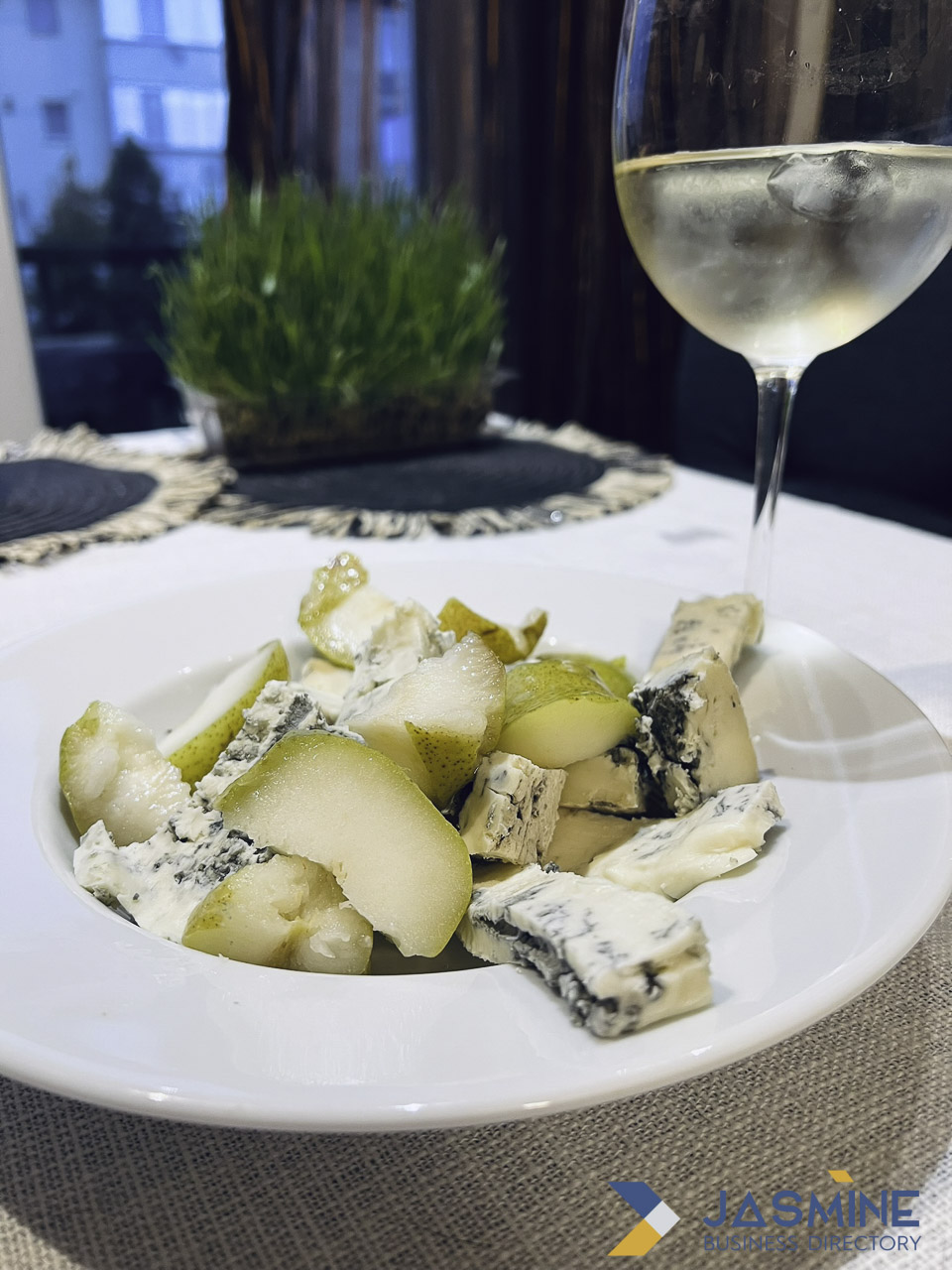
The most memorable meals often come from unexpected places. Find eateries full of locals, wander into hole-in-the-wall cafes, or linger at neighborhood markets. The flavors here are usually more authentic and tied to tradition.
4. Learn basic local food etiquette
Knowing the dining customs shows respect for the local culture and helps you avoid misunderstandings. Small things, like how to use chopsticks or share communal plates, can make eating abroad more comfortable.
Responsible and mindful eating abroad
Food travel can do real good when you approach it with care. Support small businesses, avoid endangered ingredients, and keep sustainability in mind. Choose restaurants and markets that source ethically and look after the environment whenever you can.
Joining local cooking classes and food tours can support communities and keep culinary heritage alive. Your food choices on the road reflect your values, and picking seasonal, locally sourced ingredients benefits both you and the places you visit.
Motivation profiles and cultural immersion
Gastronomic tourists want more than a meal. Neural network modeling of gastrotourist profiles confirms that their motivations include passing on knowledge, immersing in a culture, and building loyalty (Solano-Sanchez et al., 2024). Tourists who stay disengaged from local food tend to eat the way they do at home, at the same familiar international chains, which is the opposite of authentic regional engagement.
Researchers have identified nine motivations for eating local food, among them authentic experience, sensory appeal, escape from routine, and cultural learning, across tourists from eight countries (Kim et al., 2009, as cited in Li et al., 2020).
Well-being and the eudaimonic dimension
Authentic regional food does more than satisfy hunger; it adds to a traveler’s well-being. Using the PERMA framework on international visitors to Iran, Pourfakhimi et al. (2020) found that authentic food experiences are strongly linked to positive feelings and a sense that the trip meant something. Lower neophobia and higher food involvement predict stronger well-being, which makes regional dining a source of deeper flourishing, not just pleasure.
Regional flavors and authentic experiences: the gastronomic dimension of contemporary tourism
From peripheral to primary: the rise of food tourism
Regional cuisine has gone from a travel afterthought to one of its main draws. Food tourism, defined as travel motivated by experiencing region-specific food production, has moved through three documented phases: producer-led themed attractions, then consumer-driven “foodie” experiences, and then a participatory model where tourists co-create encounters through shared culinary knowledge (Pratt, Suntikul, & Agyeiwaah, 2020).
This third-generation approach treats the traveler as an active participant rather than a passive consumer. Cooking classes, farm visits, and market tours produce what Richards (2015, as cited in Pratt et al., 2020) calls “magic moments” of intercultural exchange.
Authenticity, memory, and behavioral intent
Food authenticity is a central idea in gastronomic tourism research. A study of 416 respondents shows that perceived food authenticity triggers memory formation and destination attachment, which in turn predict whether people plan to return (Li, Su, & Ma, 2022). Food involvement moderates the effect: tourists who are more engaged with food gain proportionally more from authentic regional offerings.
Sensory appeal works as its own motivator alongside authenticity. Local food’s “tastescape” adds to how people perceive place identity, a finding supported by multisensory destination research (Buzova, Cervera-Taulet, & Sanz-Blas, 2019).
Motivation profiles and cultural immersion
Gastronomic tourists want more than a meal. Neural network modeling of gastrotourist profiles confirms that their motivations include passing on knowledge, immersing in a culture, and building loyalty (Solano-Sanchez et al., 2024). Tourists who stay disengaged from local food tend to eat the way they do at home, at the same familiar international chains, which is the opposite of authentic regional engagement.
Researchers have identified nine motivations for eating local food, among them authentic experience, sensory appeal, escape from routine, and cultural learning, across tourists from eight countries (Kim et al., 2009, as cited in Li et al., 2020).
Well-being and the eudaimonic dimension
Authentic regional food does more than satisfy hunger; it adds to a traveler’s well-being. Using the PERMA framework on international visitors to Iran, Pourfakhimi et al. (2020) found that authentic food experiences are strongly linked to positive feelings and a sense that the trip meant something. Lower neophobia and higher food involvement predict stronger well-being, which makes regional dining a source of deeper flourishing, not just pleasure.

Regional identity and destination development
High-end regional cooking helps shape a territory’s identity. A long-term ethnographic study of 35 Michelin-starred French restaurants found that these institutions actively “gastronomize” rural areas by promoting terroir products, drawing media attention, and designing experiences tied to the destination, which drives rural tourism (Batat, 2020).
A last thought
Food sits close to the center of discovery and connection. Every meal on the road is a chance to see the world from a new angle and to build bonds with people and places that stay with you long after the last bite. Traveling for food turns the world into a table where every dish tells a story and every flavor pulls you to explore further.
References
- Batat, W. (2020). The role of luxury gastronomy in culinary tourism: An ethnographic study of Michelin-Starred restaurants in France. International Journal of Tourism Research, 23(2), 150-163. https://doi.org/10.1002/jtr.2372
- Buzova, D., Cervera-Taulet, A., & Sanz-Blas, S. (2019). Exploring multisensory place experiences through cruise blog analysis. Psychology & Marketing, 37(1), 131-140. https://doi.org/10.1002/mar.21286
- Li, F., Su, Q., & Ma, J. (2022). How do food authenticity and sensory appeal influence tourist experience? The moderating role of food involvement. International Journal of Tourism Research, 25(1), 109-122. https://doi.org/10.1002/jtr.2552
- Li, S., Liu, X., Cai, S., & Scott, N. (2020). Vegan tours in China: Motivation and benefits. International Journal of Tourism Research, 23(2), 238-252. https://doi.org/10.1002/jtr.2401
- Pourfakhimi, S., Nadim, Z., Prayag, G., & Mulcahy, R. (2020). The influence of neophobia and enduring food involvement on travelers’ perceptions of wellbeing. International Journal of Tourism Research, 23(2), 178-191. https://doi.org/10.1002/jtr.2391
- Pratt, S., Suntikul, W., & Agyeiwaah, E. (2020). Determining the attributes of gastronomic tourism experience. International Journal of Tourism Research, 22(5), 564-581. https://doi.org/10.1002/jtr.2356
- Solano-Sanchez, M. A., Mora, D., Hidalgo-Fernandez, A., & Moral-Cuadra, S. (2024). Gastrotourists’ profiles through their motivations, opinions, and perceptions. International Journal of Tourism Research, 26(3). https://doi.org/10.1002/jtr.2655
