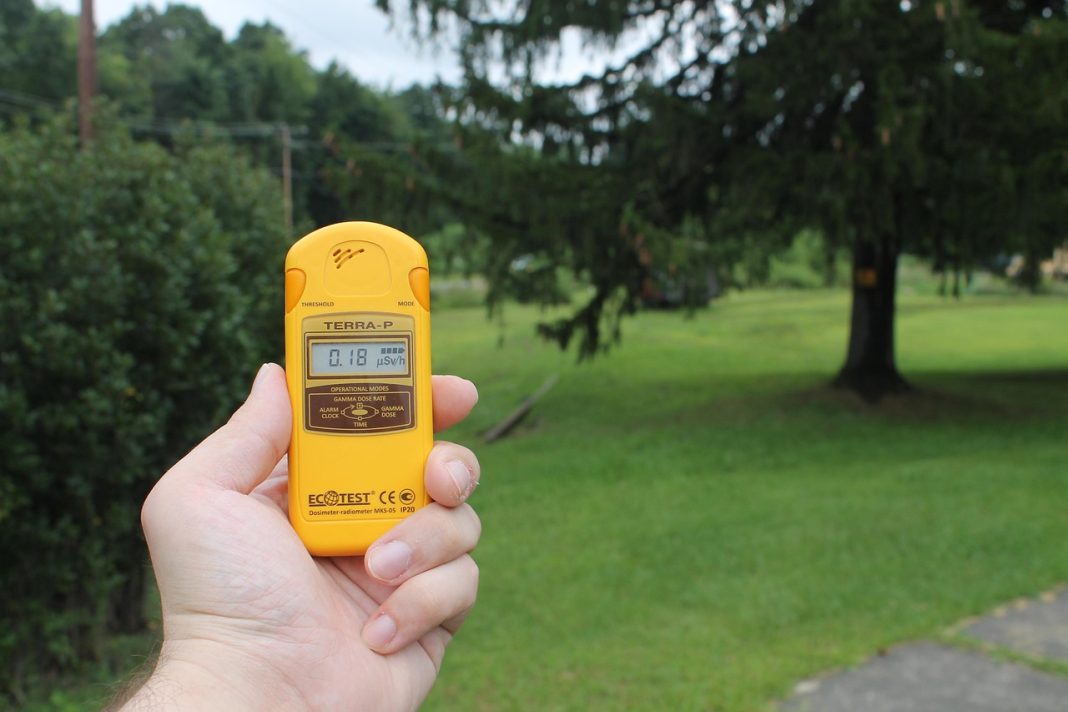
If you feel tired, sleep poorly, or notice brain fog, one possible factor worth examining is electromagnetic radiation, often shortened to EMF, in the spaces where you spend your time. Reducing your exposure to these frequencies can support health and wellness, and protecting yourself and your family is a reasonable goal. Two of the most effective approaches are shielding yourself and your space from EMF and cutting down the sources that produce it. Both can help, and they work well together.
What is electromagnetic radiation?
Electromagnetic radiation, also called the electromagnetic field (EMF), comes from many everyday devices. Wi-Fi, cell phones, and other equipment that emits EMF surround us for most of the day. Research into possible harm points to several health conditions worth taking seriously. In short, some studies suggest EMF may contribute to cancer, heart problems, and neurological issues, and there are particular questions about the effects on children difficulties for young children who are still developing.
It helps to picture how these fields behave. Electromagnetic energy weakens quickly as you move away from its source, which is why a phone pressed against your head delivers far more exposure than the same phone resting across the room. The type of source matters too. A wireless router that runs constantly is different from a device you switch on for a few minutes. Understanding the pattern of exposure in your own home is the first practical step, and it costs nothing but attention.
Mitigating risk for real protection
With EMF mitigation options from a company like Aires Tech, you can gain some peace of mind and know you are reducing your exposure. Many people underestimate how much they get, especially if they work with electronics and communication equipment all day. You may be exposed to far more EMF than you assume, and that added load could be one of several factors behind the symptoms you notice.
Lowering the amount of EMF you meet each day reduces the total, but you cannot always walk away from the devices you need for work, school, or family life. Alongside cutting unnecessary exposure, you can shield yourself using materials designed to keep the field from reaching your body. Silver-threaded fabric, EMF-blocking phone cases, laptop shields, and specialized paint containing graphite all create barriers in specific spots. None of these replace common sense about distance and duration, but they add another layer where you cannot simply switch a device off.
People who take these steps often report feeling more like themselves: less brain fog, steadier energy, easier sleep, and a clearer head for physical and mental tasks. Whether every reported benefit holds up under study is a separate question, but there is little downside to reducing exposure you do not need, and the effort is modest compared with the reassurance it brings.
How people research and buy protection
Before spending money on shielding products or a home assessment, most people look online to figure out who is trustworthy. That is a sensible instinct. Rachel Botsman, in “Who Can You Trust?” (2017), describes a shift toward what she calls distributed trust, where ratings, reviews, and platform reputation systems let strangers extend confidence to businesses they have never met. For a field like EMF mitigation, where marketing claims run ahead of settled science, that outside signal matters. Reading independent reviews, checking whether a provider is listed in a curated directory, and comparing what actual customers say will tell you more than any single sales page. Reviews carry weight because they carry the words of people with no reason to oversell.
When you evaluate a provider, look for plain descriptions of what a product does and honest limits on what it claims. A company that explains the difference between reducing a source and shielding against it is more credible than one promising to cure a list of symptoms. Being findable in trusted places, and inviting scrutiny rather than dodging it, is itself a mark of a business worth considering.
Practical steps you can take today
You do not need to eliminate technology to lower your exposure. A few habits do most of the work:
- Put distance between yourself and active devices. Keep your phone off your body when you are not using it, use speaker mode for calls, and avoid sleeping with a phone by your head. Because field intensity falls off sharply with distance, even a small gap helps.
- Limit duration. Take regular breaks from screens and consider tech-free zones at home, especially the bedroom, where you spend six to eight hours a night. This costs nothing beyond attention to your own patterns.
- Assess your space. Inexpensive EMF meters are sold commercially and can reveal hotspots. Common ones include Wi-Fi routers, smart meters, and clusters of electronics. Turning off Wi-Fi overnight and using wired connections where you can will cut nighttime exposure.
- Add shielding where you cannot remove the source. This is where silver-threaded clothing, blocking cases, and graphite paint come in, for people with heightened sensitivity or unavoidable close-range devices.
Some people also add plants, stone, or running water to a room in the belief that these absorb or neutralize radiation. The evidence here is thin, so treat it as a pleasant complement to the measures above rather than a substitute for them.
More research is underway
There is useful information on EMF and how to reduce it, and there is also plenty still unknown. A clearer understanding of how these fields affect people will widen the options for staying safe and make it easier for adults and children to get sensible protection. Until the science firms up, you can act on what is already reasonable: reduce exposure you do not need, add shielding where you must stay close to devices, and keep an eye on your own symptoms.
Is EMF a factor in your life?
If you are unsure how much electromagnetic radiation you and your family live with, finding out is worth the effort. Mitigation can improve your physical situation and also your confidence, so you can use your devices without a nagging worry. If symptoms persist despite basic steps, an environmental health specialist can look at your specific exposure and sensitivity and suggest a targeted plan. Start with the free habits, measure before you buy, and choose providers that welcome your questions. Those three moves will get you most of the protection for the least money and the least fuss.
