If you’ve ever wondered whether submitting your website to directories is worth your time, you’re not alone. Directory links have been a contentious topic in SEO circles for years. Some people call them outdated relics; others swear by them. The answer isn’t a simple yes or no.
I’ve seen businesses improve their local search visibility with well-planned directory submissions, and I’ve also watched others waste hours on low-quality directories that gave them zero SEO benefit. The difference comes down to knowing which directories actually move the needle and how to use them properly.
From working with hundreds of businesses, I can say directory links do help your SEO, but only when you approach them with a plan. Let me walk through how they work, which ones matter, and how to get the most from them for your search rankings.
Did you know? According to research from BirdEye, businesses with consistent directory listings across multiple platforms see up to 25% more website traffic than those without.
Directory link SEO fundamentals
Start with the basics. If you understand how directory links work within the wider SEO picture, you can make better decisions about where to spend your time and effort.
What are directory links
Directory links are citations of your business information kept inside organised, categorised websites. Think of them as digital phone books, only much more capable. These platforms collect business details: name, address, phone number, website URL, and often extras like opening hours and customer reviews.
But not all directory links are equal. You have general business directories like Yellow Pages, industry-specific directories such as legal or medical listings, and local directories that focus on particular geographic areas. Each type does a different job and carries a different amount of SEO weight.
The best directories keep editorial standards, require verification, and attract real user traffic. They aren’t link farms built to trick search engines. They’re resources people actually use to find businesses and services.
Quick Tip: Focus on directories that real customers use to find businesses in your industry. If you wouldn’t use the directory yourself, chances are your potential customers won’t either.
How link authority transfers
Now to the technical side of how directory links influence your SEO. When a reputable directory links to your website, it passes what SEO professionals call “link equity” or “link juice,” essentially a vote of confidence that search engines factor into their ranking algorithms.
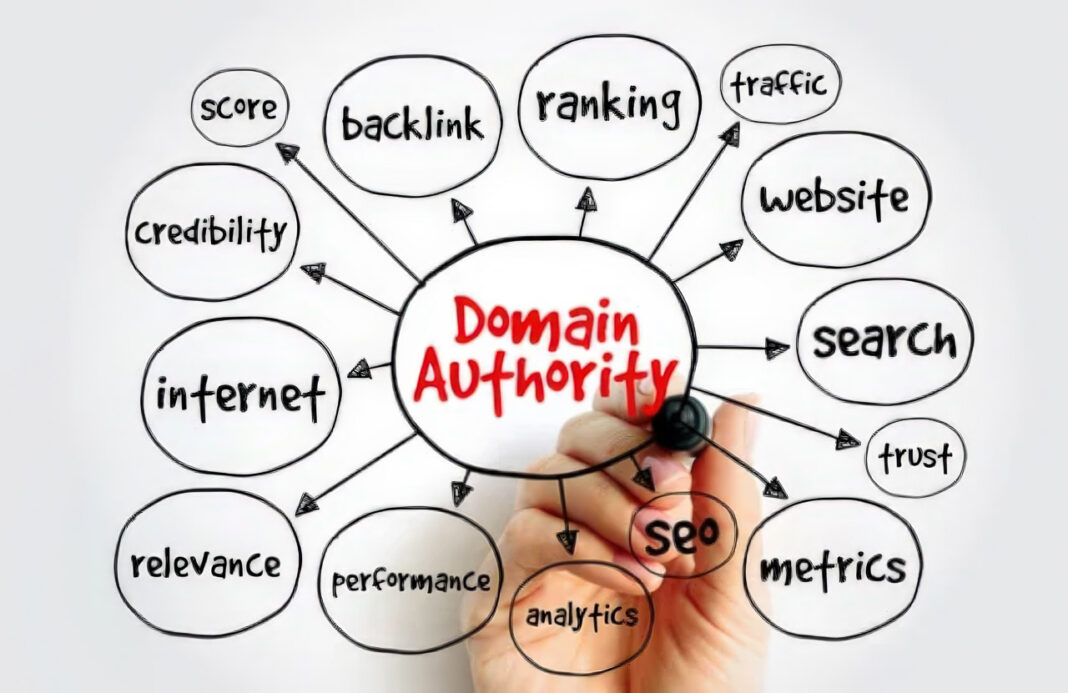
The strength of that transfer depends on a few things. The directory’s own domain authority matters a lot. A link from a high-authority directory like Directory of Open Access Journals carries far more weight than a link from a newly created, unknown one.
The relationship between directory links and authority isn’t always linear, though. Google’s algorithms have become good at reading the context and relevance of links. A directory link that closely matches your industry and location can give you real SEO benefit, even if the directory doesn’t have huge domain authority.
The anchor text used in directory links also matters, though people often overlook it. Most directories use your business name as the anchor text, which reinforces your brand signals to search engines. Some let you customise this text, which gives you room for a bit of keyword optimisation.
How search engines crawl directories
Knowing how search engines find and evaluate directory links gives you an edge when you plan your strategy. Search engine bots crawl established directories regularly, so those directories are good routes for discovering new websites and confirming existing ones.
When a crawler finds your listing in a reputable directory, it doesn’t just follow the link to your website. It also checks whether your business information is consistent across different sources. This citation validation plays a real part in local SEO rankings.
Search engines also look at how people behave on directory sites. If visitors often click through from a directory to your website and spend time with your content, that sends positive signals about your site’s relevance and quality. It’s a feedback loop that rewards choosing directories your target audience actually uses.
Pro Insight: Search engines crawl different directories at different frequencies. Established directories with regular content updates get crawled more often, meaning your listings appear in search results faster.
Assessing the SEO value
Judging the real SEO value of directory links means looking past the simple metrics. It’s tempting to fix on domain authority scores alone, but that misses how these links add to your overall search visibility.
Domain authority impact
Domain authority does count, but it isn’t everything. I’ve seen businesses obsess over getting listed in directories with DA scores above 50 while ignoring highly relevant industry directories with lower scores that actually drive qualified traffic.
The bigger impact comes from the combined effect of many directory links from diverse, relevant sources. Search engines don’t just weigh individual link strength; they evaluate your whole link profile. A set of directory links from various relevant sources looks more natural and trustworthy than a handful of high-authority links from unrelated sites.
In my experience, businesses that build a diverse set of 15 to 25 relevant directory links usually see steadier SEO gains than those chasing a few high-authority directories. The trick is balancing relevance, authority, and diversity.
| Directory Type | Domain Authority Range | SEO Impact | Best For |
|---|---|---|---|
| Major General Directories | 60-90 | High | Brand visibility, basic SEO |
| Industry-Specific Directories | 30-70 | Very High | Targeted traffic, niche authority |
| Local/Regional Directories | 20-60 | High (for local SEO) | Local search visibility |
| Niche Professional Directories | 25-55 | Moderate to High | Professional credibility |
Benefits of citation building
Here’s something many business owners miss: directory links aren’t only about the link. They’re about building consistent citations across the web. A citation is any online mention of your business name, address, and phone number, whether or not it includes a link to your website.
Search engines treat citation consistency as a trust signal, especially for local businesses. When they find your details listed the same way across several reputable directories, it confirms that your business information is accurate. This citation building matters a lot for local SEO.
Research on directory analysis found that businesses with consistent citations across 15 or more directories rank 32% higher in local search results than those with inconsistent or limited citations. The effect is even stronger for businesses in competitive local markets.
Success Story: A local dental practice I worked with saw their Google My Business ranking jump from position 8 to position 2 within three months simply by cleaning up inconsistent citations and adding listings to 12 relevant directories. Their phone calls increased by 40% during that period.
Strength of local search signals
Local search signals from directory links carry real force for businesses serving specific areas. Search engines weight local relevance heavily when deciding which businesses to show for location-based queries.
Directory links from local chambers of commerce, regional business associations, and city-specific directories send strong geographic signals. Those signals matter most when you’re competing for “near me” searches or location-specific keywords.
What’s interesting is how search engines tie directory listings to actual business locations. They cross-reference your citations with other location signals like Google My Business listings, website content, and even user-generated content that mentions your business in a local context.
The strength of these local signals also depends on the directory’s own local authority. A listing in your city’s official business directory or local chamber of commerce site carries more local SEO weight than a listing in a generic national directory, even when the national one has higher overall domain authority.
Building trust
Most SEO guides don’t stress this enough: directory links boost your website’s trustworthiness with both search engines and potential customers. When people research your business, they often look for confirmation from several sources before they contact you or buy.
Directory listings work as third-party endorsements of your legitimacy. That helps most for new businesses or industries where trust is central, such as financial services, healthcare, or legal practices. Your presence in established directories adds credibility that your website can’t provide on its own.
Search engines use trust signals as ranking factors too. Businesses listed in reputable directories, especially those that require verification, are seen as more trustworthy than those without outside validation. That trust can influence rankings across all kinds of searches, not just local ones.
Myth Debunked: Some claim that directory links are “nofollow” and therefore worthless for SEO. In reality, many quality directories use “dofollow” links, and even “nofollow” directory links provide citation value, traffic, and trust signals that benefit SEO indirectly.
I’ve noticed that businesses with a broad directory presence tend to have lower bounce rates and higher conversion rates. That probably happens because visitors arriving from directories have already seen your business information and chosen to visit, which points to higher intent.
Don’t underestimate the psychological side either. When potential customers find your business in several reputable directories, it creates a sense of an established, reliable business that can tip a close decision your way.
The trust factor reaches beyond individual customer decisions. Other businesses, potential partners, and even journalists often use directory listings to verify a company before collaborating or featuring it in an article. That secondary benefit can bring more good backlinks and business opportunities.
What if you could increase your website’s trustworthiness score by 40% simply by ensuring consistent listings across 20 relevant directories? According to multiple case studies, this level of citation consistency typically correlates with important improvements in both search rankings and conversion rates.
The verification that quality directories require also pushes businesses to keep accurate, current information everywhere. That consistency helps SEO and cuts customer frustration from outdated contact details or opening hours.
Trust works both ways, though. Listings in low-quality or spammy directories can hurt your reputation and your SEO. So be selective about which directories you pick, and audit your listings regularly to keep them professional.
So how do you find the directories that give the most trust and SEO benefit for your situation? It comes down to balancing authority, relevance, and how your target audience behaves.
One directory that consistently shows strong trust signals and SEO benefits is business directory, which keeps high editorial standards and attracts genuine business traffic across many industries.
Quick Tip: Before submitting to any directory, check if real businesses in your industry are listed there and whether the directory appears in search results for relevant queries. This simple test can save you hours of wasted effort on ineffective directories.
Once you see how many ways directory links build trust, it’s clearer why they stay valuable even as SEO methods change. Direct SEO benefit, indirect trust signals, and business validation combine into a compound effect that strengthens your whole online presence.
Where this is heading
Directory links and SEO keep changing, but their core value holds up when you approach them well. Quality directories that serve real users and keep editorial standards will keep delivering SEO benefits, while low-quality link farms grow less effective and sometimes harmful.
Going forward, the businesses that do best will build full citation profiles across relevant, trustworthy directories rather than chase quick wins from dubious sources. That matches how search engines increasingly reward experience, authority, and trust in their ranking algorithms.
As search algorithms use more artificial intelligence, citation consistency and business verification will probably grow even more important. Businesses with clean, consistent directory listings across several platforms will be better placed to gain from these changes.
My advice? Build your directory presence step by step, and put quality ahead of quantity. Start with the most relevant directories for your industry and location, then expand gradually while keeping your information consistent everywhere. The SEO benefits will build over time and give you a lasting foundation for search visibility.
Final Thought: Directory links aren’t magic bullets for SEO success, but they’re valuable components of a comprehensive SEO strategy. When combined with quality content, technical optimisation, and other successful approaches, they contribute significantly to improved search rankings and business growth.
