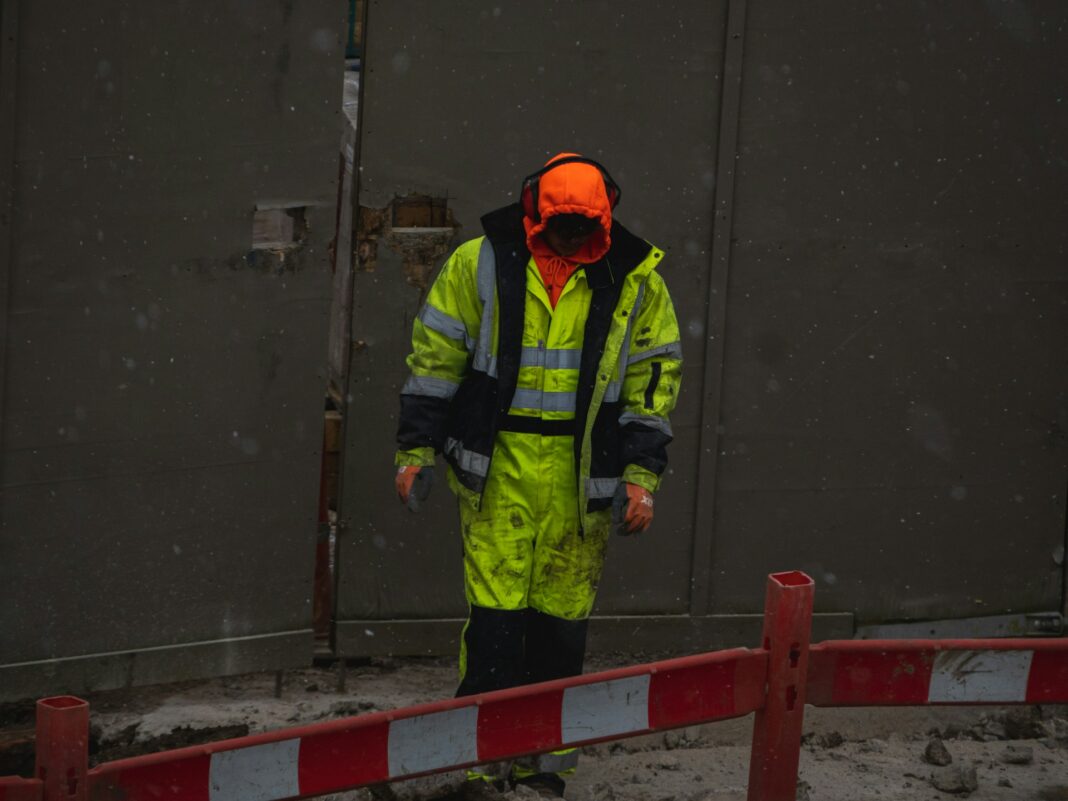
Asbestos exposure is worrying, but a quick response protects your health and builds the documentation you may need for medical care later. Exposure does not guarantee that you will develop a disease, and following the right steps lowers your risk while preparing you if health problems appear years from now.
Asbestos-related conditions often take decades to appear, so early documentation and steady health monitoring matter for anyone who has come into contact with these materials. The five steps below give clear guidance if you suspect you have been exposed to asbestos.
Contact your doctor
Tell your healthcare provider about any past or current asbestos exposure, whether or not you have symptoms. Prompt medical records and ongoing monitoring are worth having, since asbestos-related conditions often show up years after the first exposure.
Your doctor may order baseline tests, including a chest X-ray and a pulmonary function assessment, to set comparison points for future checks. See a doctor if you have a persistent cough, trouble breathing, or chest discomfort, because these can signal an early asbestos-related condition. Maintaining regular medical evaluation and identifying a condition early can improve your treatment outcomes.
Consider specialized treatment centers
If you develop an asbestos-related condition, treatment at a specialized medical center can make a real difference in your outcome. These facilities have deep experience with rare conditions such as mesothelioma and offer treatments that general hospitals do not. For example, New York mesothelioma treatment centers offer advanced therapies, including experimental protocols and clinical research that can extend survival and improve quality of life.
Specialized facilities also provide support services such as nutritional guidance, pain control, and psychological help, so patients and families can cope with the demands of an asbestos-related condition. The expertise and resources at these institutions help build a treatment plan suited to your specific situation.
Document everything related to your exposure
Careful asbestos exposure documentation is essential for both medical and legal purposes. Write down detailed records: when and where the exposure happened, how long it lasted, the types of asbestos-containing material involved, and whether you used protective equipment. For workplace exposure, note your job duties, the companies involved, and any witnesses who can confirm what happened.
Take photographs of the exposure site when you can, keep any relevant employment records or agreements, and get copies of safety reports or inspection documents. This paperwork becomes important during workers’ compensation claims or legal action against responsible parties.
Assess the risk
The main risk factors for asbestos-related conditions are how long, how, and how heavily you were exposed. Someone renovating an older building without proper protective equipment and ventilation faces a much higher risk than a person working inside an asbestos-insulated building, though both situations can lead to disease. Asbestos is most dangerous when fibers become airborne, which is why construction and demolition workers face especially high exposure risks.
Change and dispose of contaminated clothing
Take off contaminated clothing carefully, without sharp movements that release more fibers into the air. Put the items in sealed plastic containers before disposal. Do not run them through your regular laundry, because this spreads asbestos fibers through the house and contaminates other clothing. Instead, dispose of the sealed containers according to your local hazardous waste rules.
When you can, shower right away with soap and water to remove fibers that have settled on your skin or hair. Pay attention to the places where fibers collect, such as the hairline, under fingernails, and in skin folds. Wash gently so you do not grind any remaining fibers into your skin.
Steps to take if you have been exposed to asbestos
Asbestos exposure is still a serious public health concern despite decades of regulation. Whether you encountered it during a home renovation, at work, or through environmental contamination, knowing how to respond can meaningfully affect your long-term health.
Assess the nature and duration of exposure
Start with an honest look at your exposure. A single, brief encounter with intact asbestos materials carries much lower risk than prolonged workplace exposure or contact with disturbed, crumbling asbestos. Write down everything you can recall: roughly how long it lasted, whether the material looked damaged or crumbling, the ventilation conditions, and whether you wore any respiratory protection.
This assessment matters because asbestos-related diseases correlate strongly with cumulative exposure. Workers in shipyards, construction, mining, and insulation who had years of daily exposure face far higher risk than someone who briefly walked through an older building with undisturbed asbestos tiles. Even so, no exposure level is considered completely safe, and even minimal contact deserves attention.
Seek medical evaluation
Book an appointment with your primary care physician and clearly mention the asbestos exposure. Unless you prompt them, many doctors will not think to screen for asbestos-related conditions during a routine exam. Ask for a referral to a pulmonologist if your exposure was heavy or prolonged.
The physician will likely order a chest X-ray as a baseline image. For a closer look, high-resolution computed tomography detects early pleural changes and lung abnormalities better. Pulmonary function tests establish baseline lung capacity measurements that you can compare against later.
One thing to be clear about: immediate medical treatment cannot reverse asbestos exposure, because no treatment removes inhaled fibers from lung tissue. Early evaluation is about setting a baseline health status and starting a monitoring plan. This frustrates many patients who expect a treatment they can act on, but surveillance is the most sound medical approach.
Establish long-term health monitoring
Asbestos-related diseases take a long time to appear. Mesothelioma usually shows up 20 to 50 years after the first exposure, and asbestosis and lung cancer likewise develop over decades. That timeline calls for ongoing medical checks rather than a one-time evaluation.
Work with your physician to set a suitable monitoring schedule. Most guidelines recommend chest imaging every one to three years for significantly exposed people, though the right frequency depends on how intense the exposure was and your individual risk factors. Keep all your medical records carefully. Decades later, this documentation is invaluable for both medical management and any legal proceedings.
Document everything for legal and compensation purposes
Asbestos litigation is one of the largest mass tort categories in legal history, with large compensation funds set up specifically for exposure victims. Even if you have no symptoms now, thorough documentation protects your future options.
Record the circumstances in writing while the details are fresh. Note the property location, the building owner, your employer if it was work-related, and any companies whose products may have contained asbestos. Photograph relevant materials if you can do so safely. Get copies of employment records, union documentation, or any workplace exposure assessments.
Many jurisdictions set statutes of limitations on asbestos claims, though the clock usually starts at diagnosis rather than at the exposure date. Even so, records made at the time strongly strengthen any future claim.
Take protective measures against further exposure
If asbestos is still present in your home or workplace, a professional assessment can determine whether removal or encapsulation is the right choice. Never try to remove asbestos yourself, because improper handling sharply increases fiber release and exposure risk. Licensed abatement contractors follow strict protocols, including negative air pressure containment, HEPA filtration, and proper waste disposal.
For workplace exposure, federal regulations in most developed countries require specific protections. If your employer does not provide adequate respiratory protection, exposure monitoring, or hazard communication, report the violations to occupational safety authorities. Your health matters more than keeping the peace at work.
Address lifestyle factors that compound risk
Smoking multiplies asbestos-related cancer risk far beyond simple addition. Studies show that asbestos-exposed smokers face roughly 50 times the lung cancer risk of unexposed non-smokers, compared with about five times for asbestos-exposed non-smokers. If you smoke, quitting is the single most useful protective step you can take.
General respiratory health also helps: avoid other workplace irritants when you can, stay current on pneumococcal and influenza vaccinations, and treat respiratory infections promptly. These steps cannot eliminate asbestos-related disease risk, but they support your overall lung function and may improve your outcomes if disease does develop.
Endnote
Asbestos exposure raises real concerns, but an informed response now shapes your long-term health. The steps above help you manage the health risk while protecting your legal and financial interests. Early action paired with steady monitoring gives you the best protection against asbestos-related conditions.
