
Symmetrical balance is one of the most useful compositional rules in photography, and in the fine arts more broadly. We tend to link symmetry with perfection: the proportions of the human face, the facade of a building, the wings of a butterfly. Yet too much of it can flatten an image and make it dull. The best symmetrical photographs know when to break the pattern, and that tension between order and interruption is what keeps the eye moving. Below I have collected 30 more photographs (check out the previous 30 photos highlighting symmetrical balance) shot with symmetrical balance in mind.
Why symmetry works, and when it stops working
Symmetry is a shortcut to visual calm. When the left half of a frame mirrors the right, or the top mirrors the bottom, the brain reads the scene as stable and resolved. That is why reflections in still water, hallways shot head on, and centered architecture feel so satisfying. The eye finds the axis quickly and settles.
The problem is that a perfectly balanced frame gives the viewer nothing to explore. Once you have seen one side, you have seen the other. Strong photographers use a small asymmetry to solve this: a single figure standing off center in an otherwise mirrored corridor, a bird breaking the line of a reflection, a shift in color on one side. The symmetry provides the structure, and the exception provides the story.
There is also more than one kind of symmetry to work with:
- Reflective symmetry, where one half mirrors the other across a vertical or horizontal line. Water reflections and mirrored interiors are the obvious examples.
- Radial symmetry, where elements repeat around a central point. Think of a domed ceiling shot straight up, or a spiral staircase from directly above.
- Translational symmetry, where a shape repeats at regular intervals across the frame, as in a row of identical windows or arches.
Getting it right in the field
Symmetry is unforgiving because the viewer notices the moment it is slightly off. A horizon that tilts by a degree, or a vanishing point that sits a few pixels left of center, breaks the effect and reads as a mistake rather than a choice. A few practical habits help:
- Turn on your camera’s grid lines and, where you can, its electronic level. Line the axis of symmetry up with the center gridline before you press the shutter.
- Shoot square to your subject. For architecture and reflections, being even slightly off angle throws the two halves out of balance.
- Watch the edges of the frame, not just the middle. Symmetry usually fails at the corners first, where one side includes something the other does not.
- Leave room to correct in post. A little extra space around the frame lets you straighten and recenter without losing the composition.
Reflections deserve their own note. Puddles after rain, calm lakes, polished floors, and glass all give you a ready made mirror line. The trick is to get your lens low and close to the reflective surface, which enlarges the reflection and makes the symmetry more complete.
How people actually find work like this
A well composed symmetrical shot rewards the way most people look at a screen. Eyetracking studies from the Nielsen Norman Group describe an F-shaped scanning pattern, where users sweep horizontally across the top of a page and then run their eyes down the left side, especially on pages that lack clear formatting cues. A centered, balanced image cuts against that habit and pulls the gaze to the middle, which is part of why symmetrical photographs stop the scroll.
Stopping the scroll is one thing. Being found in the first place is another, and it is where a lot of good photographers lose ground. Publishing striking images is not enough if no one can locate them. As Louis Rosenfeld, Peter Morville and Jorge Arango argue in Information Architecture: For the Web and Beyond (2015), how information is organized, labeled and categorized decides whether people can find it at all, and browsing structured categories works alongside search rather than against it. For a photographer or a small studio, that means the way your work is filed and described matters as much as the work itself. Clear captions, sensible categories, and being listed in curated places where people go looking for photographers all feed the same goal: turning a good picture into a picture that gets seen.
This is also where being listed somewhere edited by a human still counts. Search results are shaped by advertising and ranking systems, not by a neutral view of everything that exists, so a curated directory that groups photographers and creative services by category gives people a different, more deliberate way to discover you. It is the browsing half of the equation that pure search tends to neglect.
Learning to see it everywhere
The real payoff of studying symmetry is that you start noticing it off the screen. Train stations, cathedrals, bridges, staircases, and formal gardens are built around balance, so they hand you compositions if you position yourself carefully. Nature offers its own versions in flowers, faces, and reflections. Once the pattern is in your eye, you will also start seeing the places where a photographer chose to break it, and you will understand why.
Use the set below as a study rather than a scroll. For each image, look for the axis first, then look for the one element that keeps the frame from feeling static. That habit is worth more than any single rule.

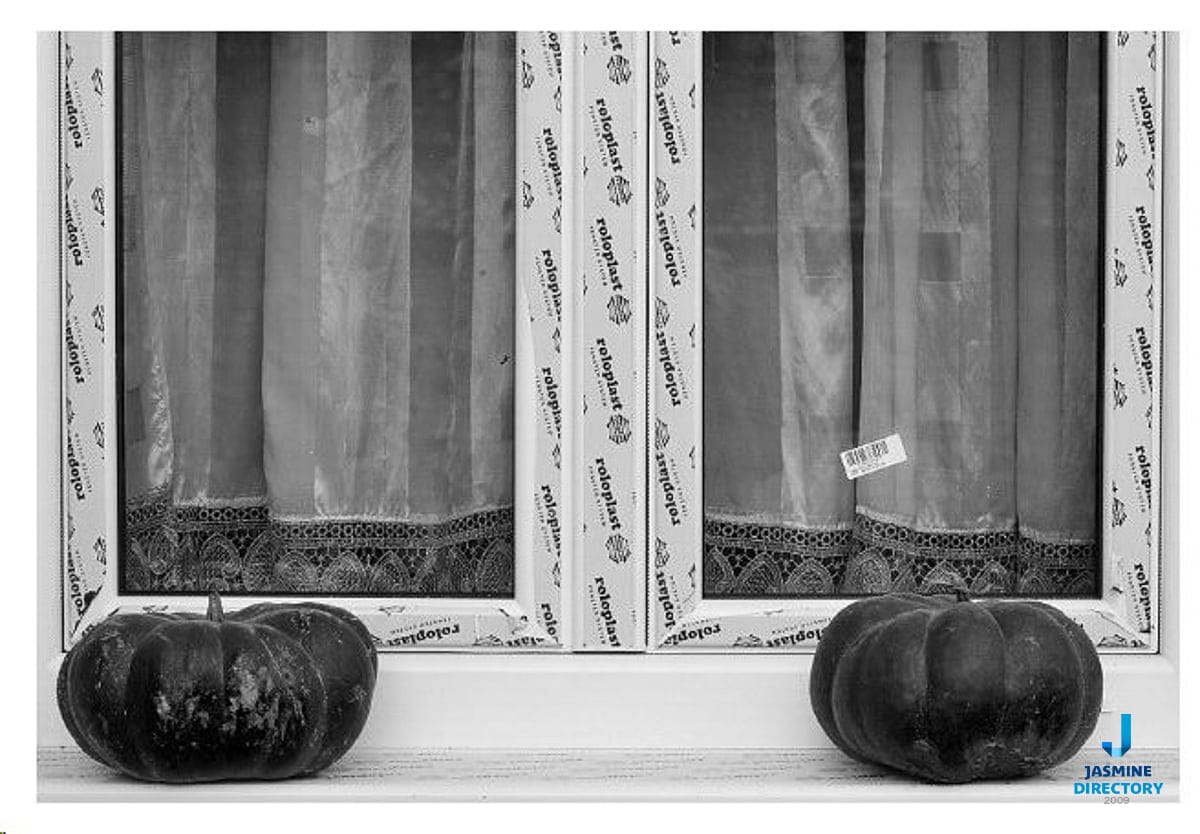













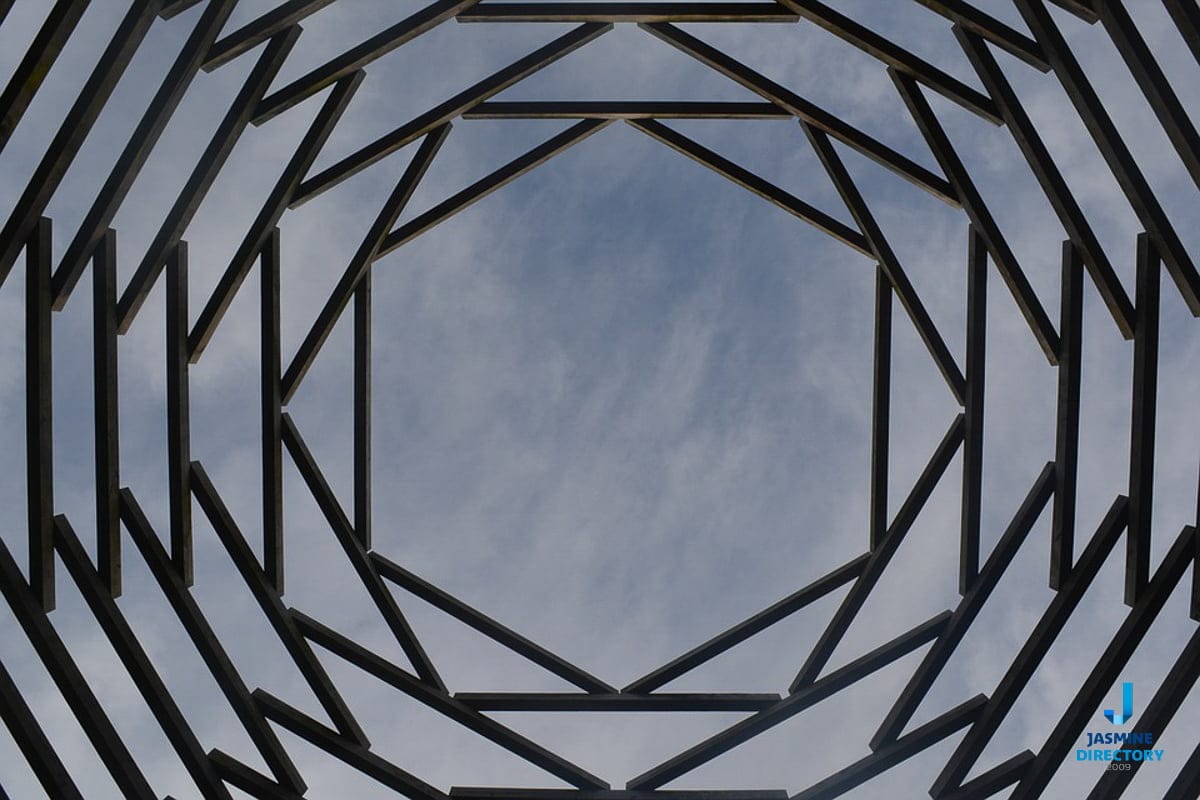






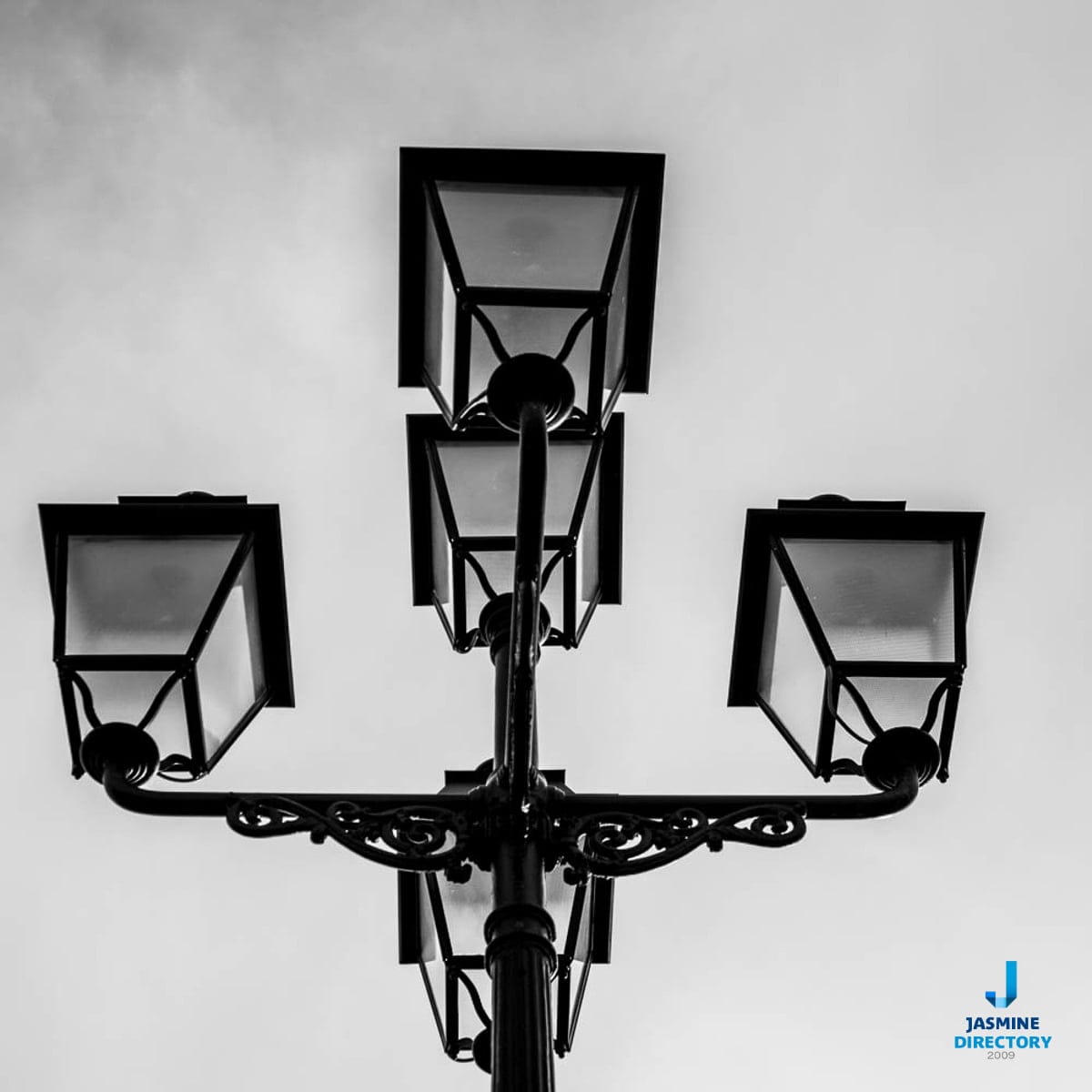

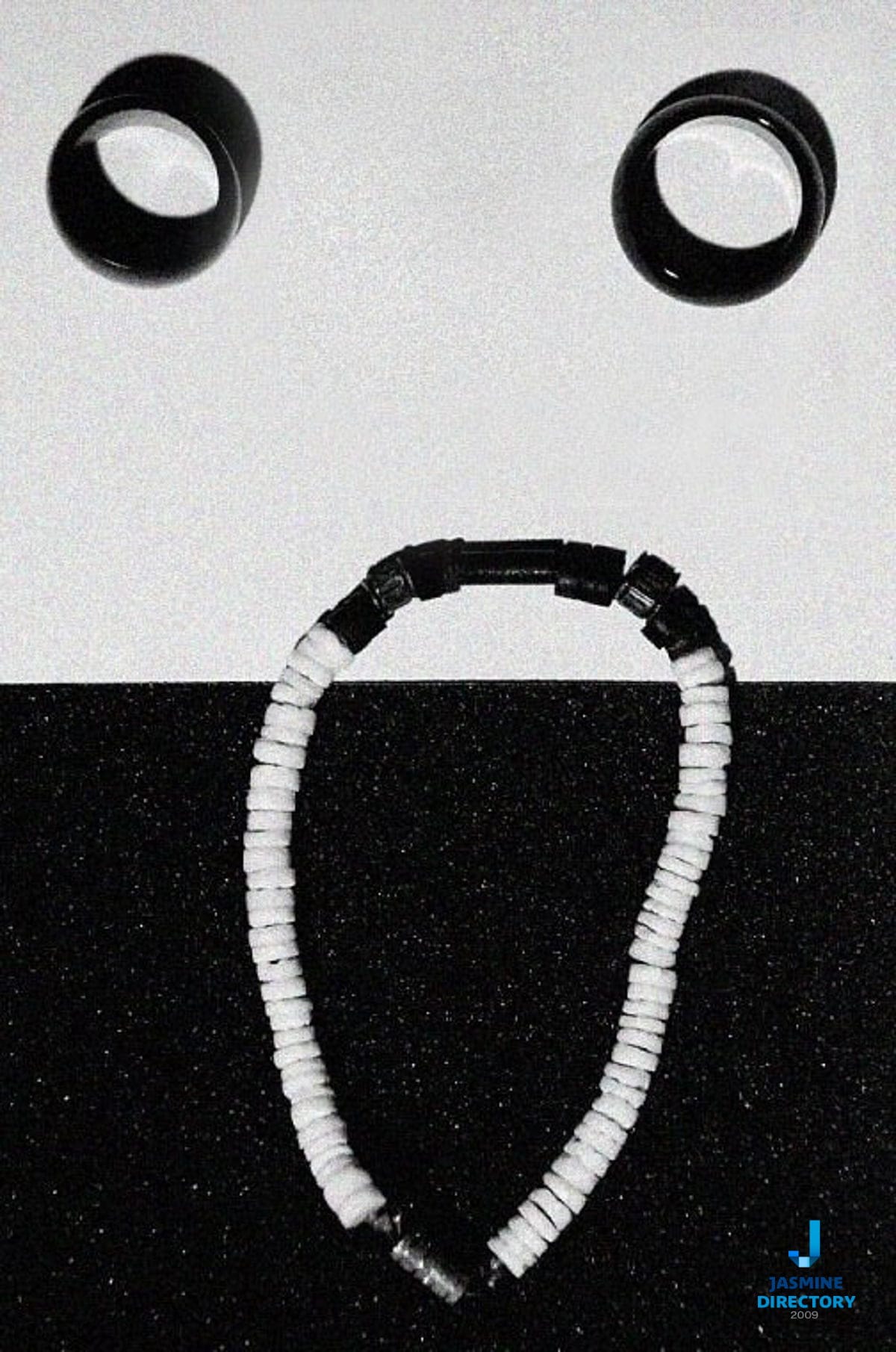
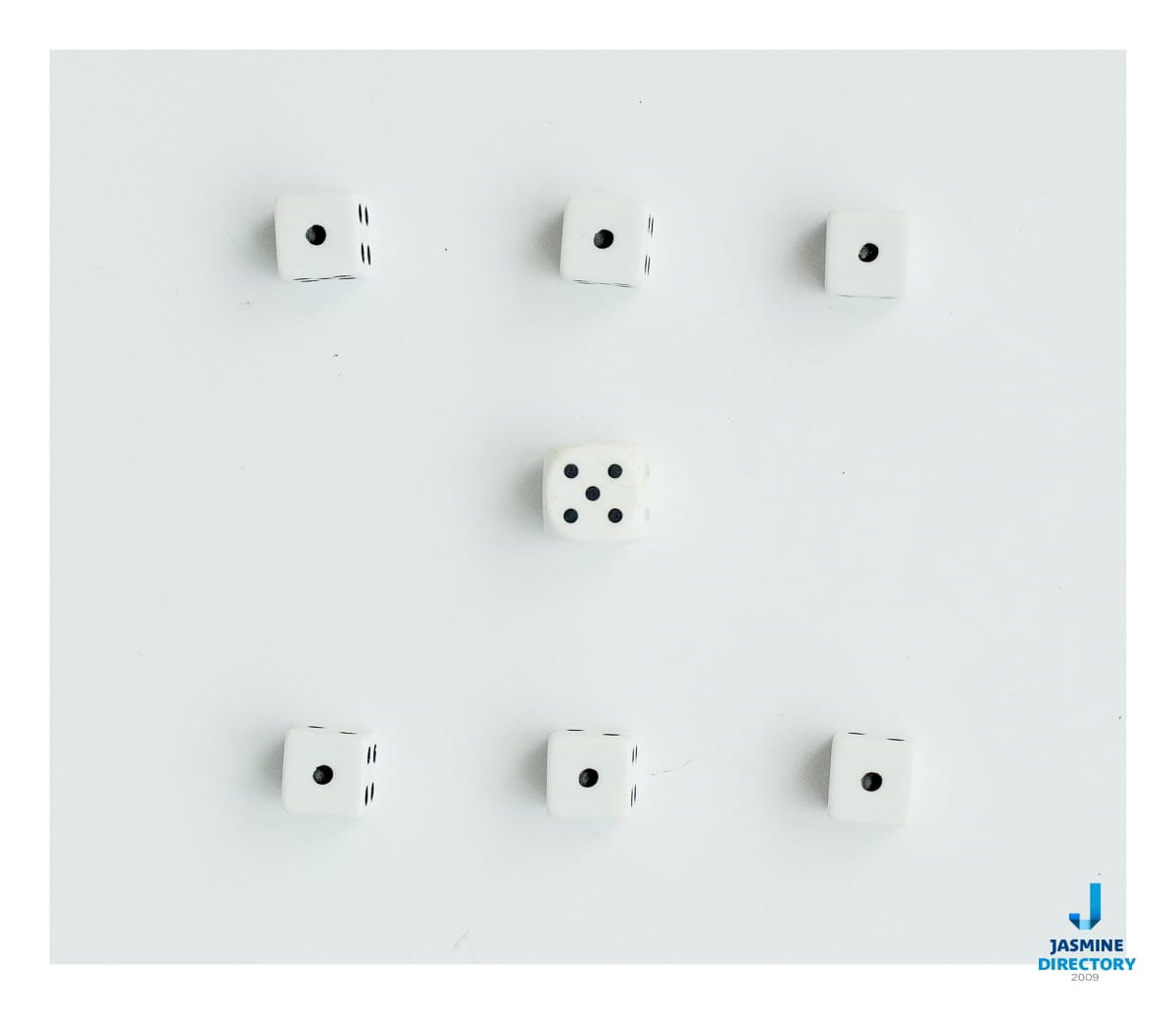
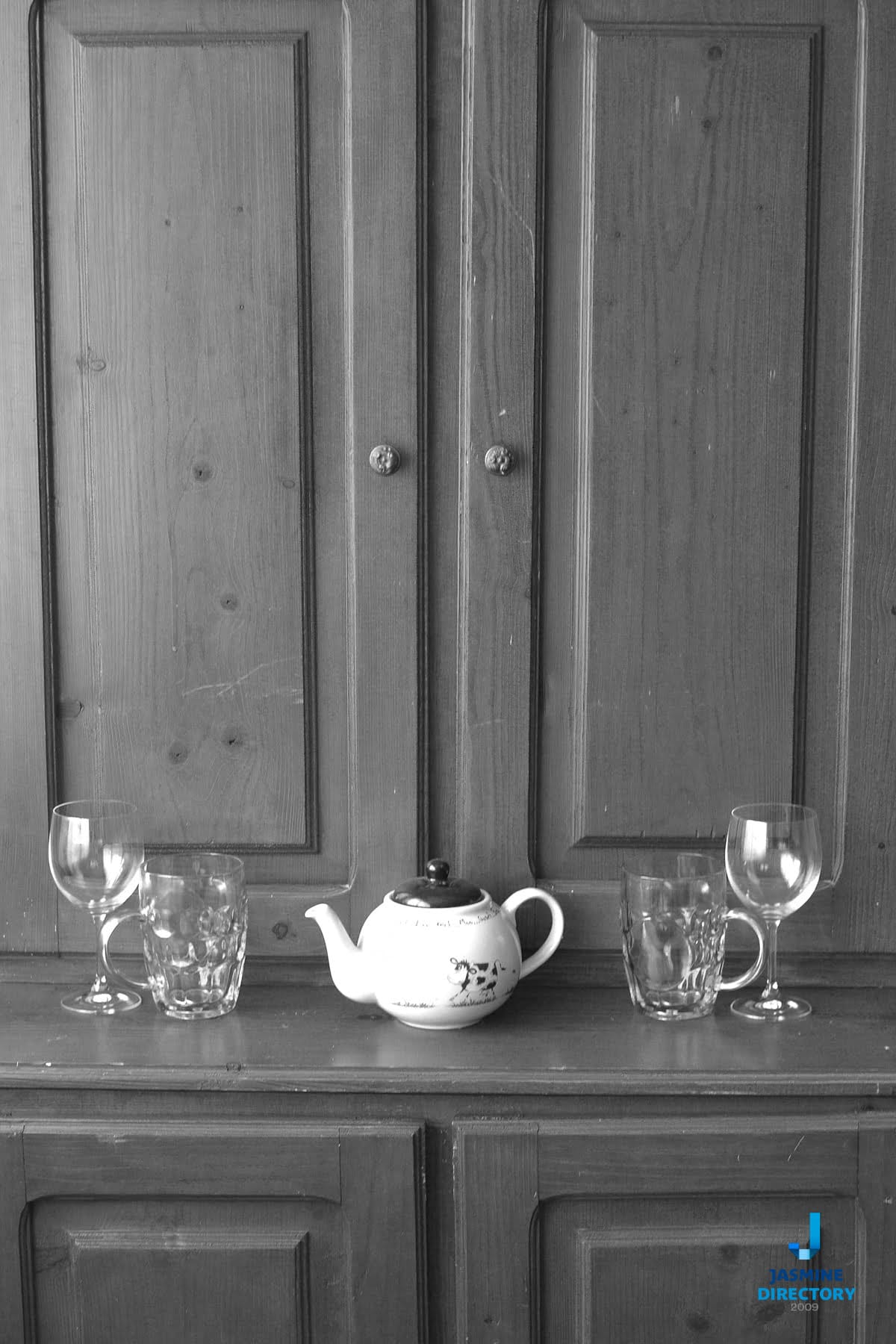
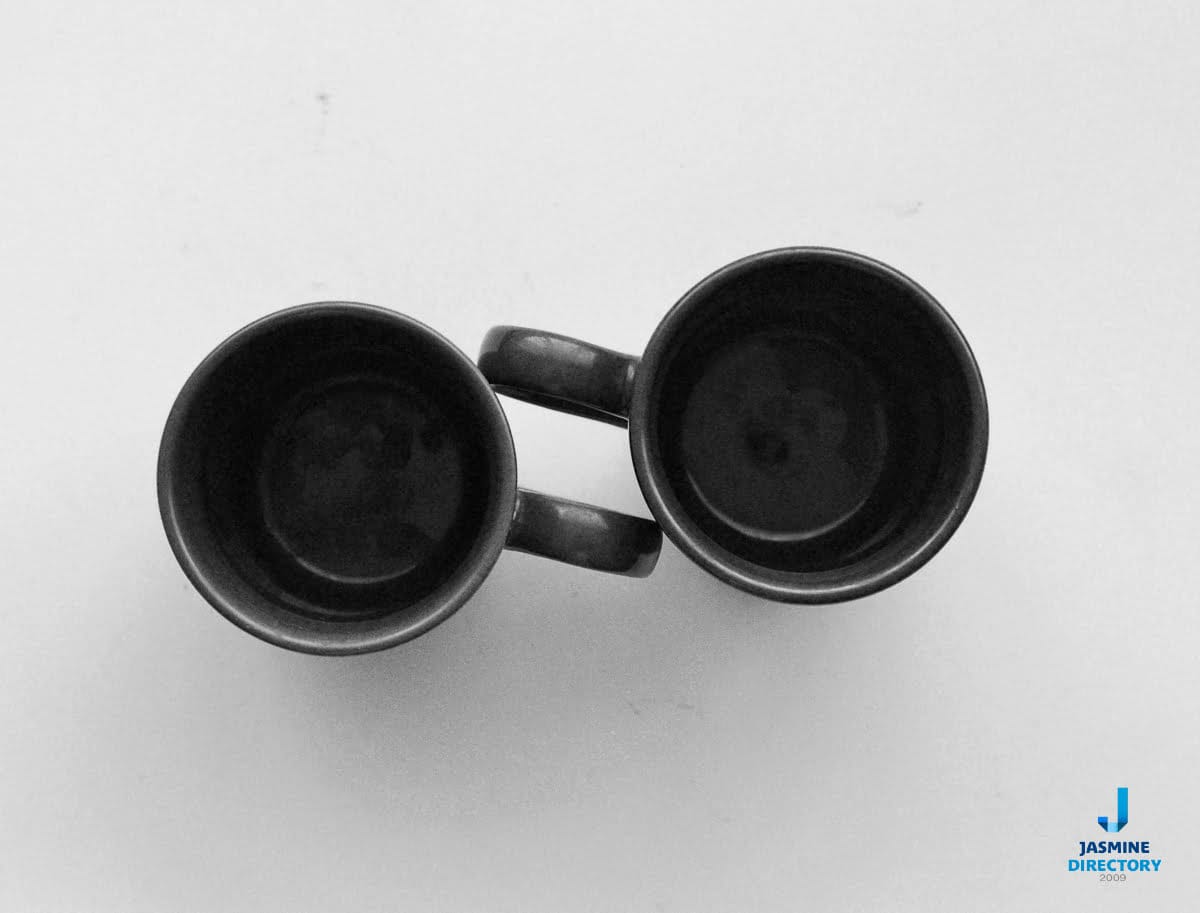

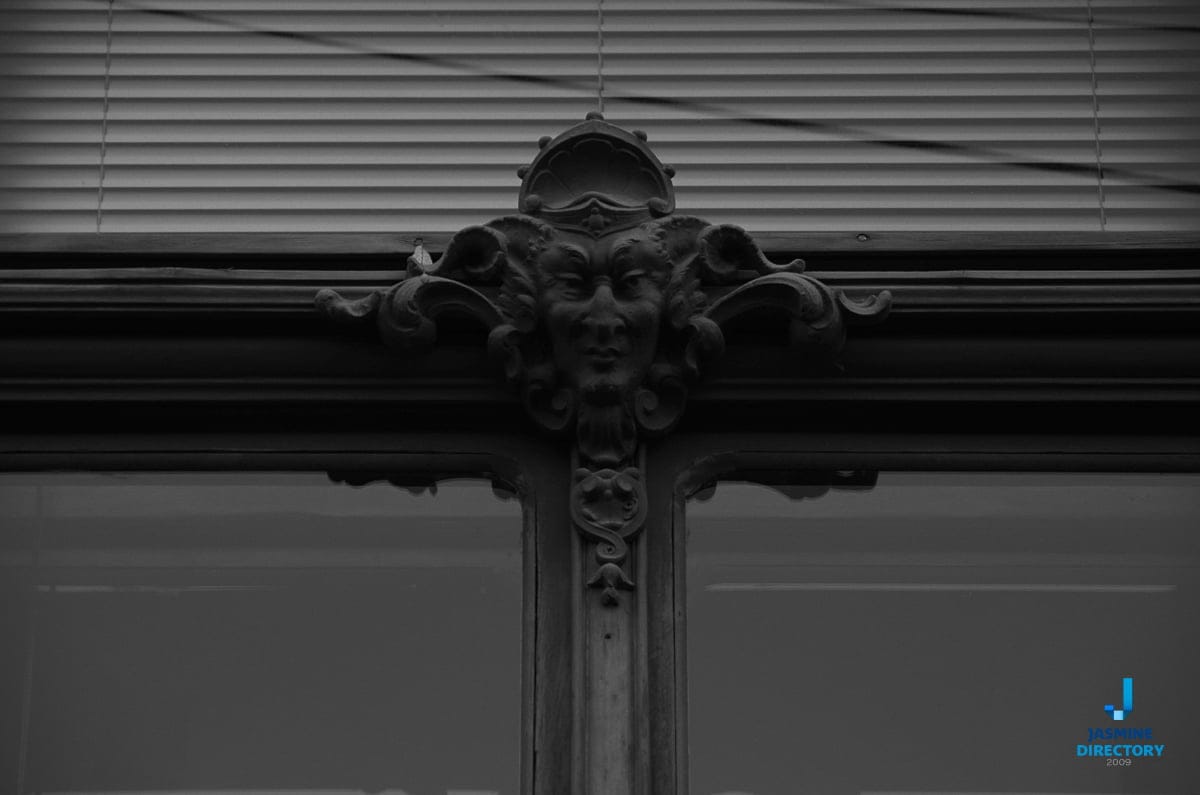
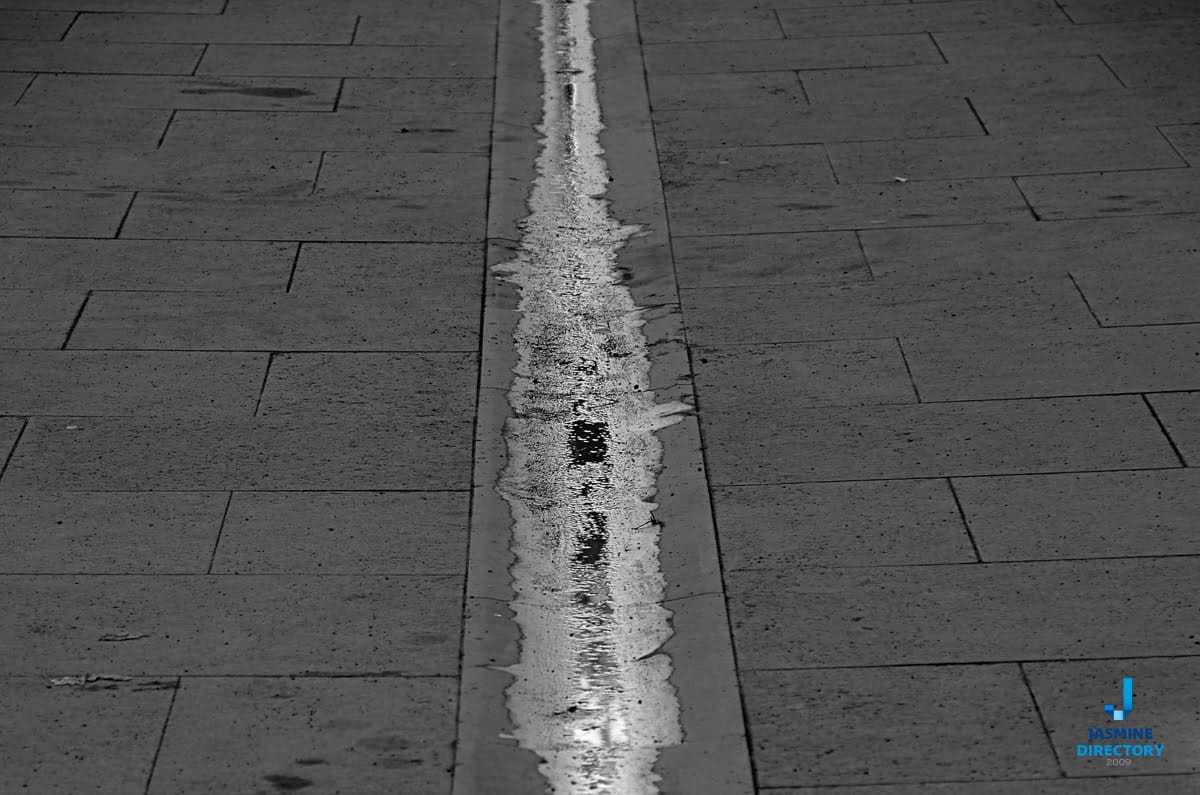


If you take one thing from this set, make it the pairing: find your axis, then find your exception. A frame that is only balanced is tidy. A frame that is balanced and then knowingly broken is one people remember, and share, and go looking for again.
