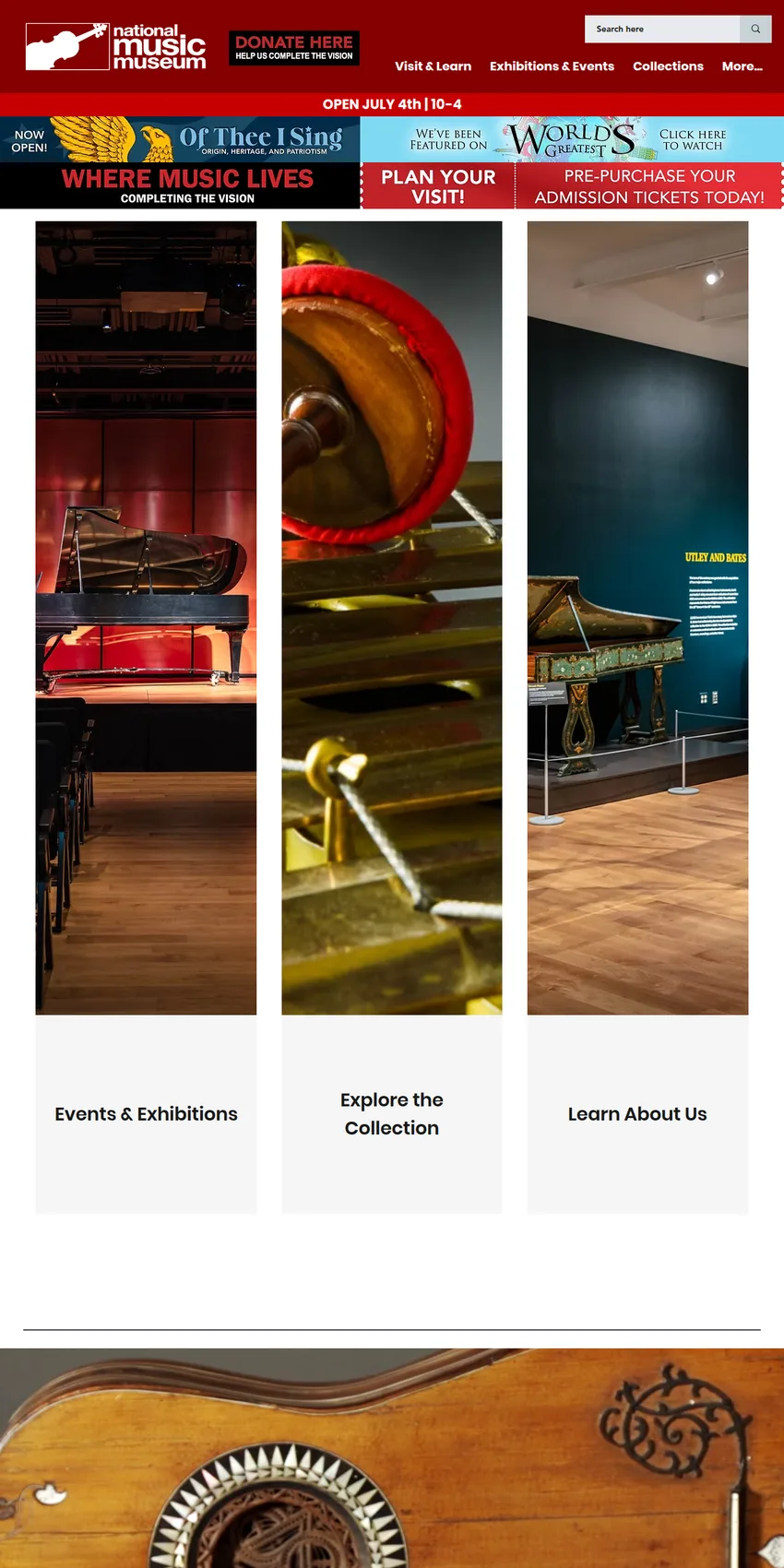
A university museum devoted to musical instruments
The National Music Museum is a collection of musical instruments on the campus of the University of South Dakota in Vermillion. It holds more than 15,000 American, European, and non-Western instruments spanning many cultures and historical periods, which places it among the larger instrument collections in the country. The museum was founded in 1973 and grew from the private collection of Arne B. Larson, a music teacher who had gathered roughly 2,500 instruments before giving them to the university. Because the museum exists to collect, preserve, study, and display instruments, it is a direct fit for a category about musical instruments.
The institution combines the functions of a public museum and a university research center. Students and visiting scholars use the collection to study how instruments were built and played, while the galleries are open to the general public. The museum is a Smithsonian Affiliate, and the National Music Council has recognized it as a landmark of American music, which reflects the standing of its holdings among specialists.
The collection and its galleries
The strength of the museum lies in the depth and range of its instruments. The holdings run from early European keyboard and stringed instruments to American band instruments and to gongs, drums, and flutes from cultures across Asia, Africa, and the Americas. Some pieces are among the oldest or rarest of their type still in existence, and the museum documents each with records of its maker, date, and place of origin. This documentation is part of what makes the collection useful to researchers as well as to casual visitors.
The instruments are shown in a set of named galleries, each with a focus. Two of them are widely cited by musicians and historians.
The Rawlins and Beede galleries
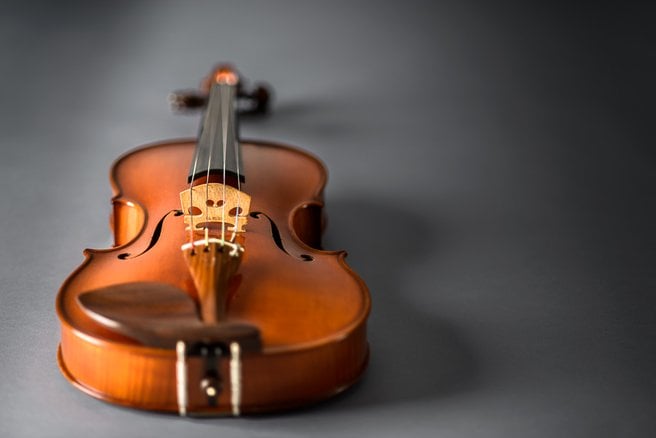
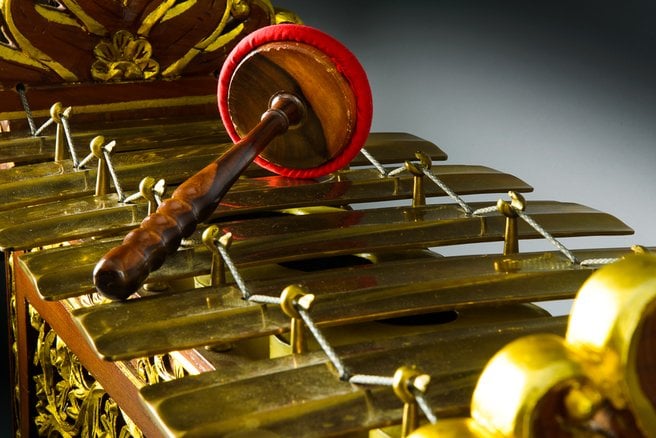
The Rawlins Gallery presents one of the strongest groups of Renaissance stringed instruments anywhere, including early Italian violins and related instruments made by leading workshops. Among the makers represented are members of the Amati family, Andrea Guarneri, and Antonio Stradivari, whose instruments are studied closely by violin makers and players. The Beede Gallery holds one of the more complete Indonesian gamelans found outside the royal courts of Java, a full ensemble of tuned gongs, metallophones, and drums. Placing a Javanese gamelan beside Cremonese violins in the same building gives a sense of how far the collection reaches across musical traditions.
Rare keyboards, winds, and brass
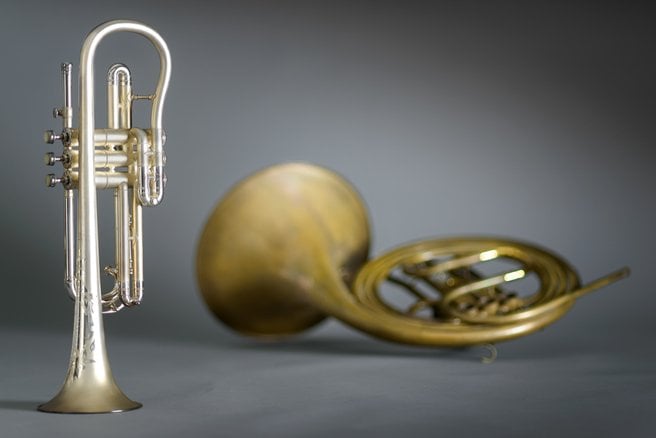
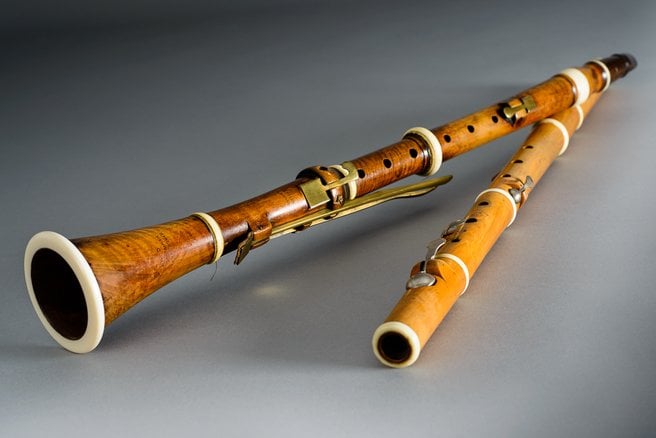
The keyboard holdings include two 18th-century grand pianos built with actions of the type invented by Bartolomeo Cristofori, one made in Lisbon in 1767 and one made in southern France in 1781, along with three 17th-century Flemish harpsichords, two of them by the Ruckers workshop, and a Neapolitan virginal from about 1520. The museum also holds a large body of American brass and woodwind instruments, among them roughly 500 pieces made by the C. G. Conn Company at the turn of the 20th century, and a group of Nuremberg wind instruments from the 17th and 18th centuries. A Stradivari guitar and a Stradivari mandolin are held here as well, both rare survivals from a maker known mainly for violins.
History, building, and visiting
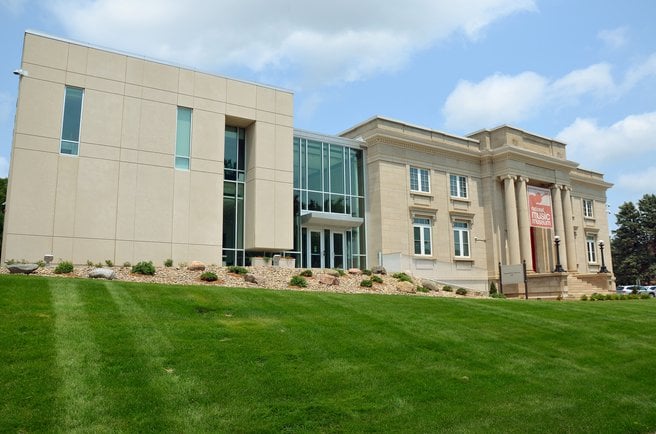
After the museum received Arne B. Larson's instruments in 1973, his son Andre P. Larson served as founding director and led the institution until 2011, guiding decades of acquisitions and research that expanded the collection well beyond its original size. The museum later carried out a major building project. It reopened in August 2023 with new permanent exhibitions after a renovation that joined a historic Carnegie library building to a modern addition completed in 2021, giving the collection more than 16,000 square feet of gallery space. The added room allowed more of the collection to be shown and improved the conditions for displaying fragile instruments.
The museum supports scholarship in several ways. It maintains study collections and archives, among them a group of about 650 violin makers' labels assembled over generations, and its staff publish research on the instruments in its care. Conservators treat instruments and control light and humidity so that old wood, gut, and metal remain stable. The collection is used in teaching at the university, and it draws makers, players, and historians who come to examine specific instruments in person.
The National Music Museum is at 414 East Clark Street in Vermillion, South Dakota, postal code 57069, on the university campus at the corner of Clark and Yale Streets. It can be reached by telephone at +1 605-658-3450, and it is open to the public on a published weekly schedule. For a category devoted to musical instruments, the museum is a leading American example: a large, carefully documented collection, held by a public university, that keeps instruments from many periods and cultures and makes them available to both the public and to research.
Business address
National Music Museum, University of South Dakota
414 East Clark Street,
Vermillion,
South Dakota
57069
United States
Contact details
Phone: +1 605-658-3450