The United States National Arboretum is a 446 acre research and display garden in the northeast quadrant of Washington, D.C., about two miles from the Capitol. Congress established it by an act of March 4, 1927, and its grounds were opened to the public in the decades that followed. The Agricultural Research Service, the in-house research agency of the United States Department of Agriculture, has managed the arboretum since its founding. The site pairs formal ornamental plantings with working laboratories, breeding fields and one of the largest plant herbaria in the country.
Admission is free. About nine and a half miles of paved roads wind past the collections, and the grounds open every day except Christmas.
Ornamental collections and flowering displays
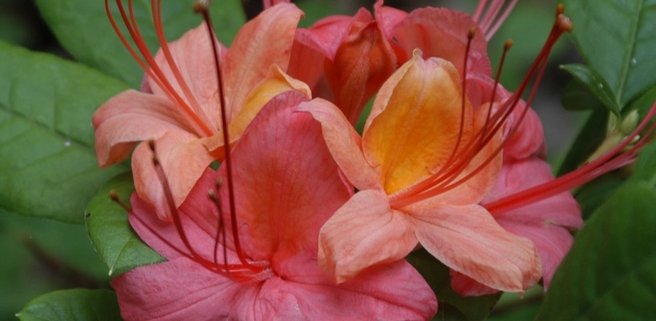
Much of the arboretum is laid out as a series of themed gardens, and many of them are built around flowering trees and shrubs. The azalea collections cover a wooded hillside above the visitor center and draw their heaviest crowds in April and May, when tens of thousands of plants come into bloom at once. The Glenn Dale Hillside, the Morrison Garden and the Lee Garden hold cultivars developed on the grounds during the twentieth century, and the display carries color through the spring in overlapping waves.
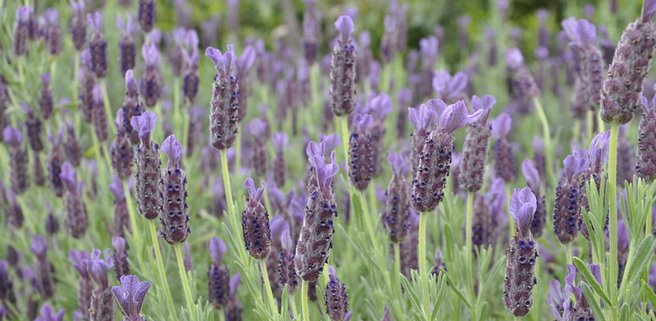
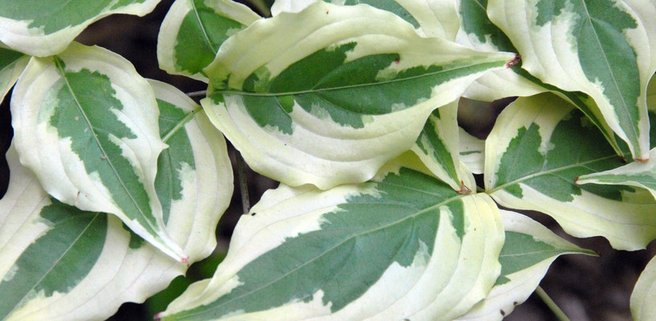
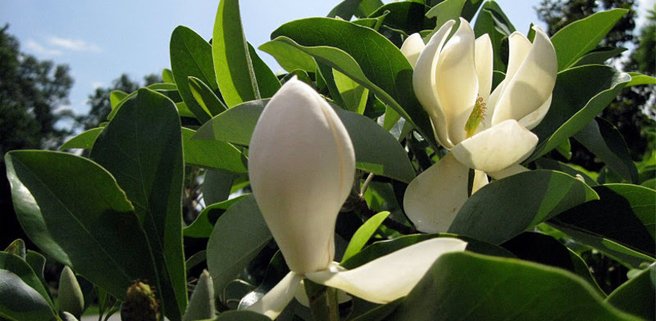
The National Herb Garden, opened in 1980, is arranged as a group of smaller gardens: a formal knot garden of clipped hedges, a rose garden of old and species roses, and beds grouped by use, among them dye plants, medicinal herbs and plants tied to particular cultures. The dogwood, magnolia and flowering cherry collections carry the flowering season from early spring into summer, while daffodil and peony plantings add their own periods of bloom.
National Bonsai and Penjing Museum
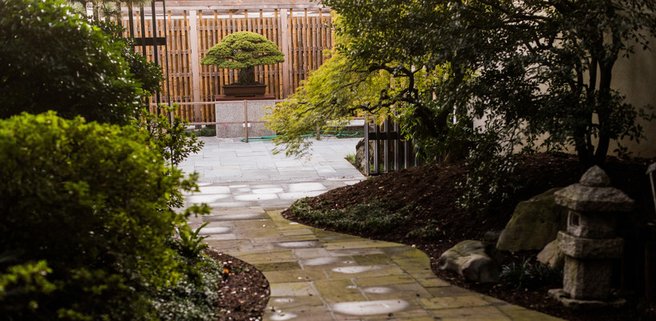
The National Bonsai and Penjing Museum began with a gift of fifty-three bonsai from Japan to the United States for the 1976 bicentennial. It has since grown into three pavilions that hold Japanese bonsai, Chinese penjing and North American trees, along with viewing stones and related art. Among the trees is a Japanese white pine that has been trained since 1625 and survived the 1945 atomic bombing of Hiroshima in a nursery near the blast. Several of the flowering and fruiting specimens are rotated into view as they come into season.
Capitol Columns and other features
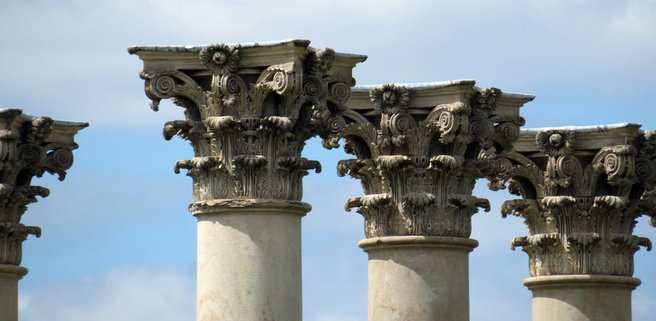
One of the most photographed spots on the grounds is a group of twenty-two Corinthian sandstone columns that once stood at the east portico of the United States Capitol. They were in place from 1828 until a 1958 expansion left them without a structural role, and they were moved to the arboretum and re-erected in a meadow between 1988 and 1990, where they now rise from a reflecting pool. Other parts of the property include Fern Valley, a collection of plants native to eastern North America set along a stream; the Gotelli collection of dwarf and slow growing conifers; an Asian valley; and the National Grove of State Trees, which sets aside fifty-one plots for the official trees of the states and the District of Columbia.
Plant breeding and research
The arboretum is a working research station as much as a public garden, and its breeding programs have put many familiar flowering plants into American yards. Across about ninety years its scientists released more than six hundred and fifty woody and herbaceous plants, selecting for hardiness, disease resistance and floral display suited to the mid Atlantic climate.
The azalea work is the best known. Benjamin Morrison, the arboretum's first director, ran a breeding program that began in the 1920s and produced the Glenn Dale azaleas, a group of more than four hundred and fifty cultivars bred to survive Washington winters and to flower from April into June. A separate program that started more than fifty years ago set out to breed crapemyrtles resistant to powdery mildew, drawing on wild germplasm from Asia, and it has released more than thirty improved varieties, including compact forms developed for small gardens in the 1980s and 1990s. Staff have also selected and released flowering cherry cultivars, a process that can take fifteen years or more from first cross to nursery introduction, along with hollies, elms, viburnums and a range of perennials.
Behind the display gardens sit the scientific collections. The herbarium holds more than eight hundred thousand pressed and dried specimens used to document plant identity and distribution, and it supports taxonomic work across the department. The arboretum also keeps research plantings and laboratories on its own grounds and at additional sites in Beltsville, Maryland, and McMinnville, Tennessee.
Education and public programs
The grounds host guided walks, lectures, plant sales and seasonal events tied to the bloom calendar, many of them run with a supporting nonprofit group of members and volunteers. Because so many of its plants were bred on site and then handed to the nursery trade, the arboretum is a useful reference for gardeners trying to trace where a particular azalea, crapemyrtle or flowering cherry came from. For the study of ornamental and flowering plants in the United States it ranks among the primary institutions, joining public display with the breeding and herbarium work that supports it.
Business address
United States National Arboretum
3501 New York Avenue NE,
Washington,
District of Columbia
20002
United States
Contact details
Phone: +1 202-245-4523