H&M is one of the handful of clothing brands that needs no introduction on any continent. The company began in 1947 as Hennes, a single womenswear shop in Vasteras, Sweden, opened by Erling Persson after a trip to America convinced him that high volume and low prices could work in fashion. The name became Hennes & Mauritz when Persson bought a Stockholm hunting and menswear shop called Mauritz Widforss in 1968, and the abbreviation H&M followed the company onto high streets across Europe and eventually into more than seventy markets.
From Hennes to global fashion
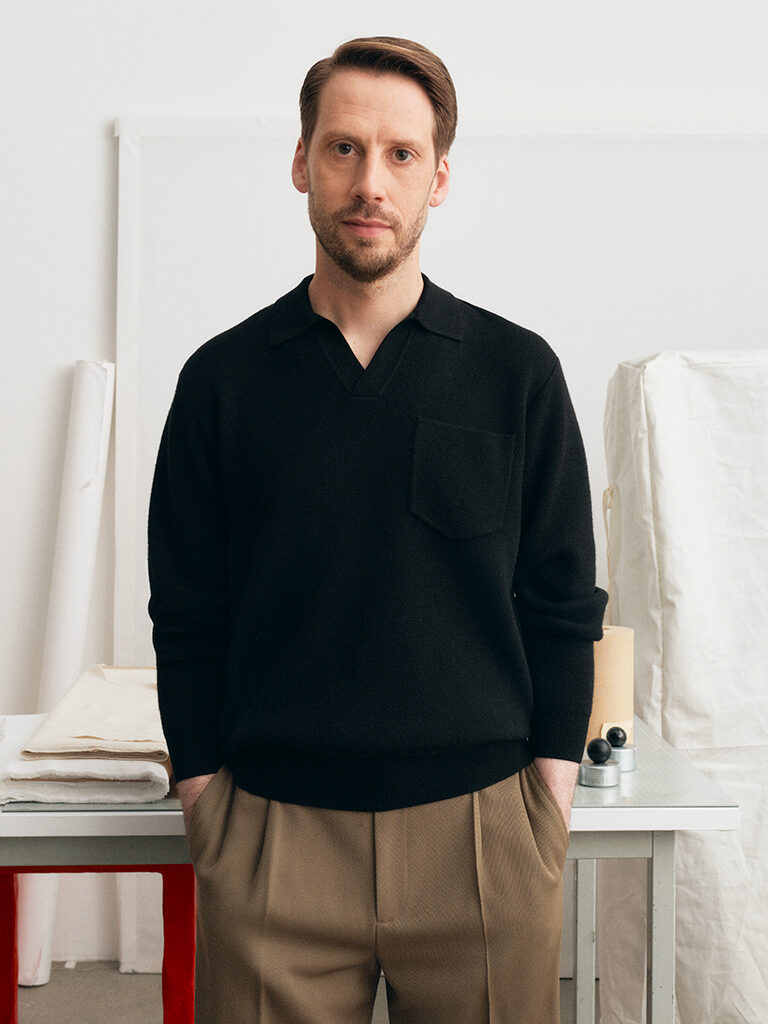
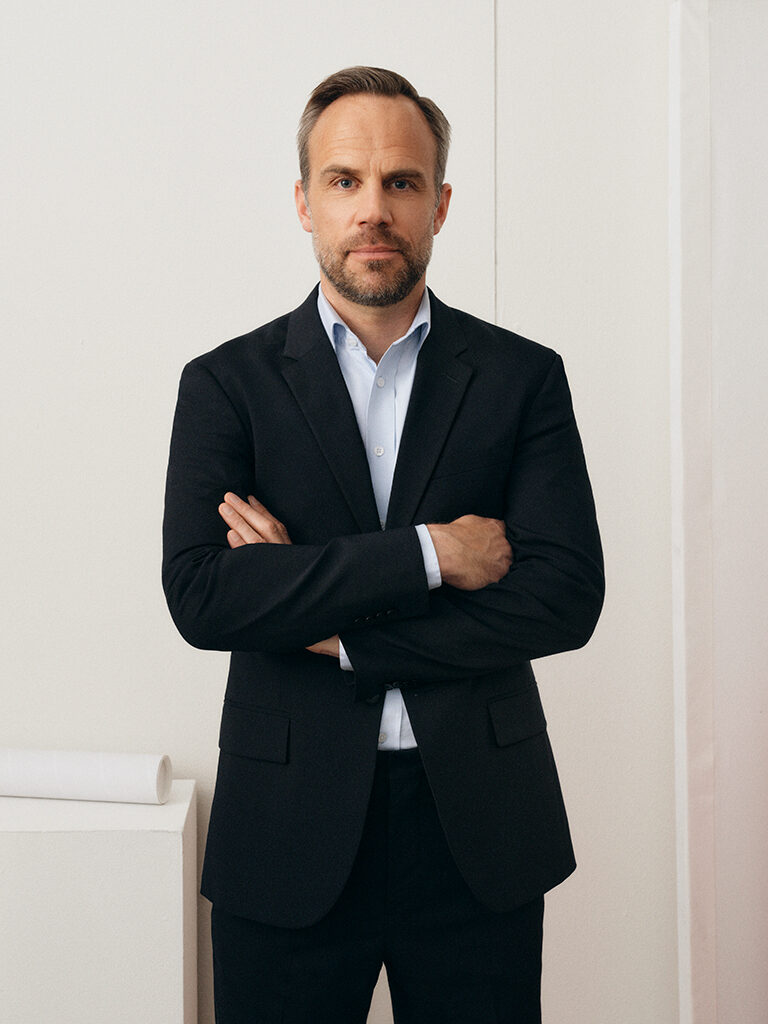
Today the H&M Group, still headquartered on Master Samuelsgatan in central Stockholm and still substantially owned by the Persson family, runs about 4,000 stores and one of the largest fashion e-commerce operations in the world, with the founder's grandson Karl-Johan Persson as chairman and Daniel Erver as chief executive.
Shopping on hm.com
The website at hm.com is the front door to all of it, routing shoppers to localized stores for the United States, the United Kingdom and dozens of other markets. The shop itself is organized the way fast-fashion customers expect: womenswear as the largest department, then men, kids and baby, a homeware line under H&M Home, beauty, and a rotating cast of trend and collaboration capsules. The site moves quickly because the merchandise does; new items land weekly, and the sale section is permanent and deep. Product pages carry multiple photographs, size guidance, fabric composition and customer reviews, and the fit commentary in those reviews is often more useful than the official size chart, which regular customers learn to read with a grain of salt since sizing can drift between production runs.
Designer collaborations in Stockholm
What separates H&M from the anonymous end of cheap fashion is four decades of designer collaborations and a genuine design operation in Stockholm. The collaboration program that started with Karl Lagerfeld in 2004 has since brought Versace, Margiela, Balmain, Moschino and Mugler collections to the mass market at H&M prices, and the launch days still produce queues and same-day sellouts. The main lines are designed in-house by a team of hundreds of designers and pattern makers, which is why the better pieces photograph convincingly next to items costing five times as much. Nobody pretends the construction matches tailoring, but at the price the design content is the argument, and it lands often enough to keep a quarter of a billion shoppers coming back.
Membership benefits and sustainability
The membership program matters more to the experience than first-time visitors expect. Joining is free, unlocks member pricing on rotating items, accumulates points toward vouchers, and in most markets includes free returns that non-members pay for. H&M has also pushed further than most rivals on the resale and repair front: the in-store garment collection boxes that take used clothing from any brand have run since 2013, feeding reuse and recycling channels, and select markets offer pre-owned sections and repair services.
The company publishes an annual sustainability report and aims its materials sourcing at recycled or more responsibly produced inputs, a program that has real numbers behind it even if the fundamental tension of selling high volumes of inexpensive clothing remains the industry's honest critique. H&M has absorbed its share of that criticism, including scrutiny of supply chain labor and of marketing claims that regulators in several countries have pushed the whole sector to substantiate, and the group now documents its supplier list publicly, which few competitors did first.
Corporate transparency and portfolio brands
As a corporate citizen the group is unusually transparent for a family-controlled retailer, largely because it has been listed on the Stockholm exchange since 1974. The corporate site at hmgroup.com publishes the management team with photographs, quarterly results, and a steady newsroom feed covering everything from new market entries to the six-month report, and the contact page lists the Stockholm head office switchboard at +46 8 796 55 00 alongside the Master Samuelsgatan address. The group behind the flagship brand also operates COS, & Other Stories, Arket, Weekday and Monki, each with its own positioning a step or two up the price ladder, so the H&M listing effectively marks the front door of a portfolio.
Digital experience and customer service
The digital experience has had real investment and it shows. The apps and site carry visual search, order tracking, in-store availability checks in many markets, and delivery options that range from home courier to parcel lockers depending on country. Checkout accepts the local payment rails you would expect, Klarna in its home markets, cards and wallets everywhere.
Customer service runs on chat and regional phone lines, and the returns process is the make-or-break of any online fashion operation; H&M's is ordinary in a good way, printable labels or drop-off codes, refunds inside a week or two, with the member tier smoothing the costs. Complaints exist, as they do for every retailer of this size, and they cluster where you would predict: stock accuracy during big collaboration drops and refund timing in peak season.
It is worth saying plainly what H&M is for, because the brand's ubiquity can obscure it. This is where a student furnishes a first wardrobe, where a parent buys kids' basics that will be outgrown in a season, where an office worker picks up a serviceable blazer for less than the cost of dry-cleaning a designer one, and where a fashion-literate shopper hunts the two or three pieces per drop that look far above their price. The H&M Home range has quietly become a real competitor to the budget end of the furniture chains for textiles and small decor. None of it is heirloom shopping, and the brand does not claim otherwise.
For a shopping directory, H&M is close to a definitional entry for the clothing category. It is a seventy-five-year-old public company with verifiable headquarters and contact details, active official profiles on every major social network with follower counts in the tens of millions, a corporate newsroom that publishes on a regular feed, and a store network that puts it within reach of most of the world's urban population.
Shoppers arriving from a directory get exactly what the listing promises: the official online store of one of the two or three largest fashion retailers on earth, with the depth of stock, member pricing and returns infrastructure that scale makes possible. As a reference point for affordable fashion online, hm.com is the standard the rest of the category gets measured against.

Business address
H & M Hennes & Mauritz AB
Master Samuelsgatan 46A,
Stockholm,
Stockholm County
SE-106 38
Sweden
Contact details
Phone: +46 8 796 55 00
Press release “Our work – especially within purchasing, cost control and more efficient operations – has contributed to a more…
Pressrelease ”Vårt arbete inom framför allt inköp, kostnadskontroll och effektivare arbetssätt har bidragit till en mer lönsam…
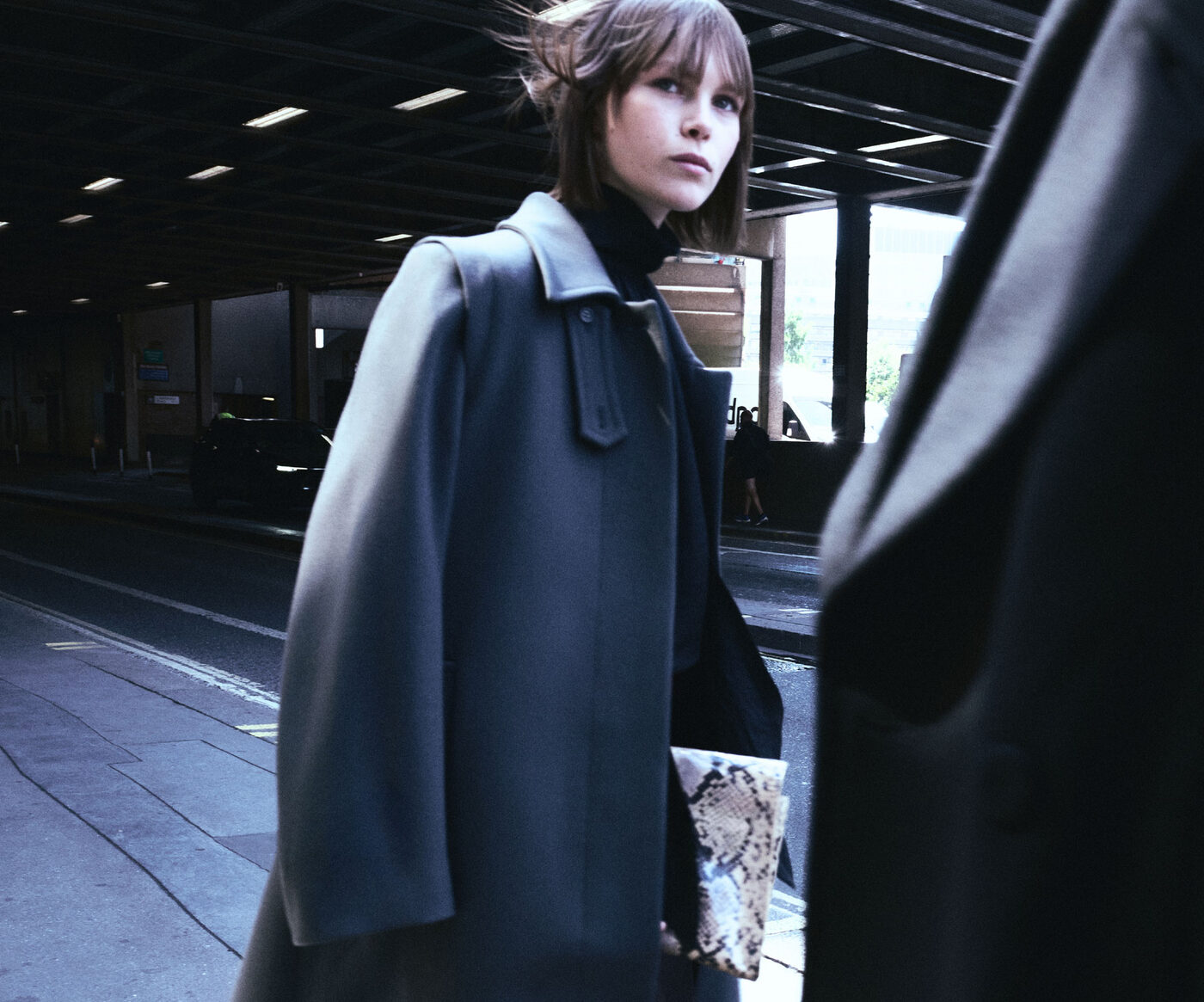
The post H&M teams with Nick Knight and SHOWstudio on a visually experimental London Fashion Week show, soundtracked by Labrinth…
The post Announcing ELIE SAAB H&M: a celebration of glamour and timeless elegance appeared first on H&M Group.