How the mileage numbers are set
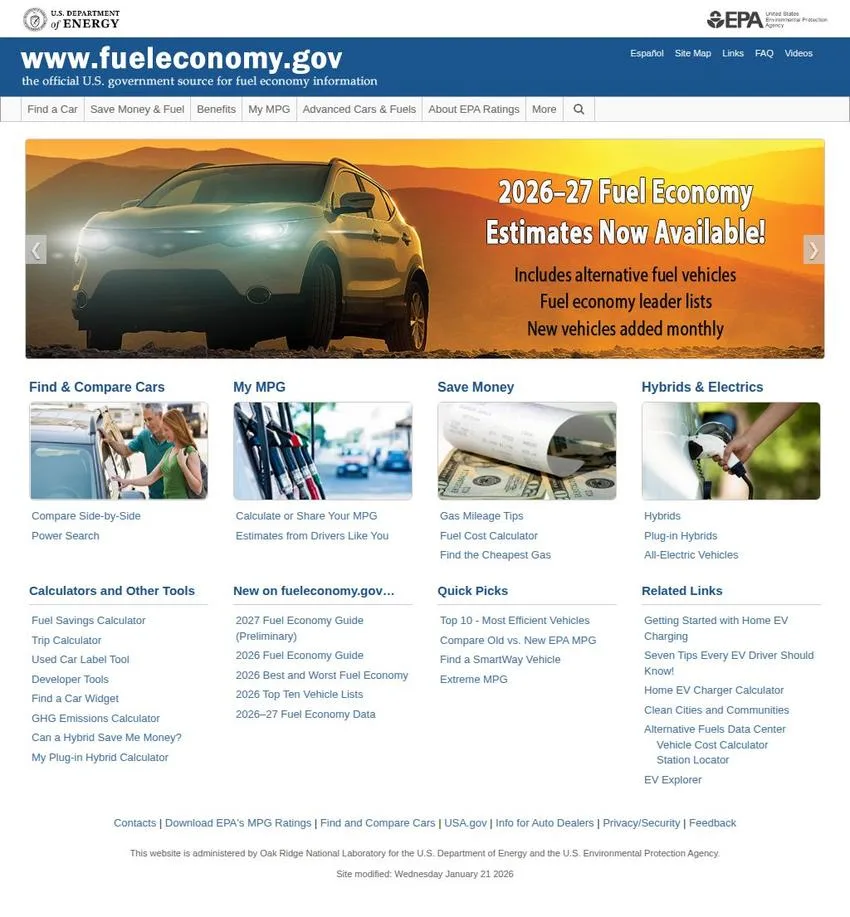
New cars and light trucks sold in the United States carry an EPA fuel economy estimate on the window sticker. FuelEconomy.gov is where those estimates live in searchable form, together with the tools to turn a single mpg figure into an annual dollar cost you can compare across models. The U.S. Department of Energy runs the site, the U.S. Environmental Protection Agency supplies the ratings, and Oak Ridge National Laboratory maintains it for both agencies. It exists to meet a requirement Congress wrote into the Energy Policy and Conservation Act of 1975, the same law that created Corporate Average Fuel Economy standards.
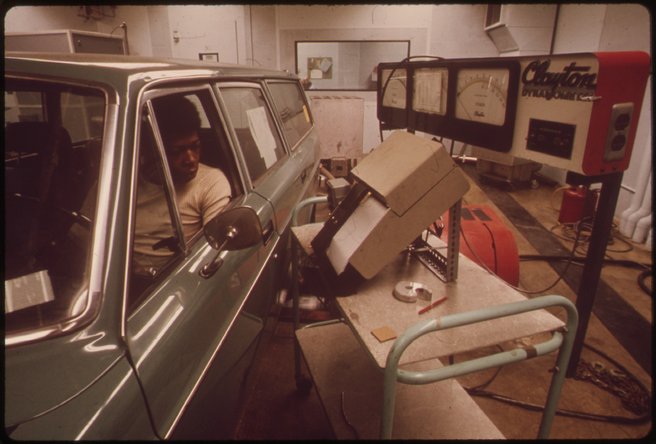
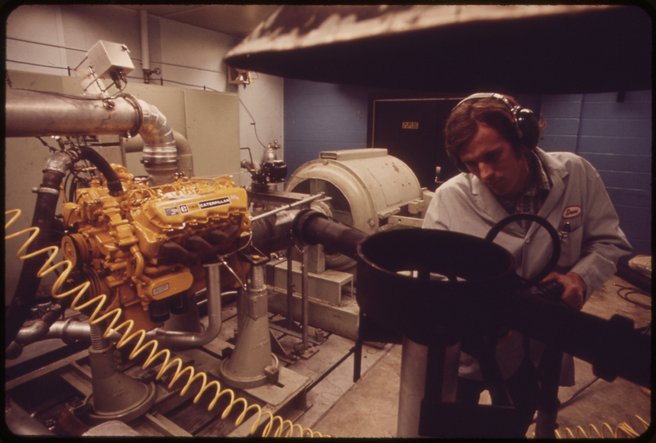
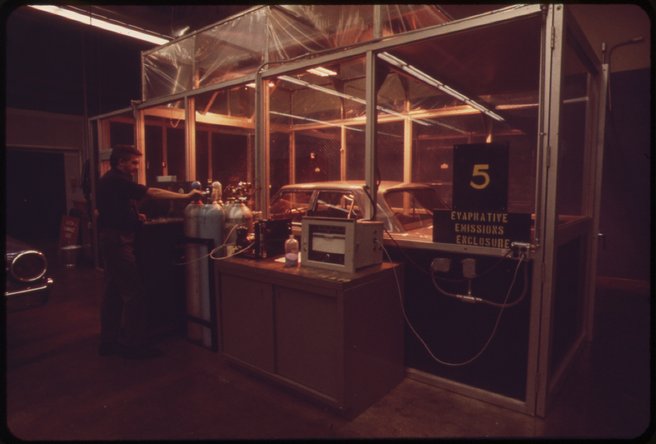
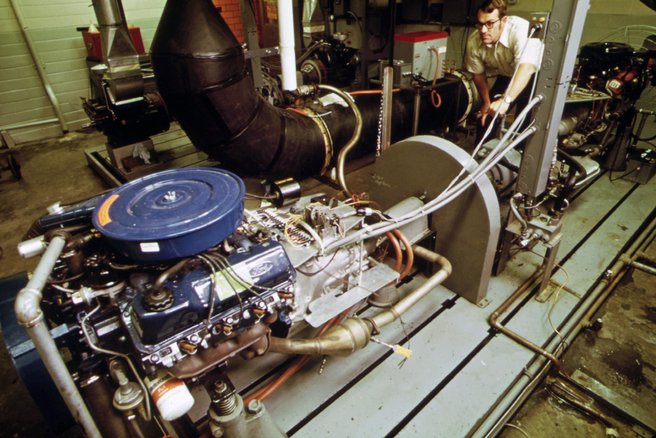
The mpg values are not marketing claims. They come from laboratory tests that manufacturers run under federal procedures, and the EPA re-tests roughly 10 percent of models each year to check the submitted results. A vehicle is driven through defined test cycles on a chassis dynamometer while fuel use and emissions are measured. Since the 2008 model year the label numbers have come from a five-cycle method that adds high-speed driving, hard acceleration, air conditioning load, and cold weather to the older city and highway routines, which is why the estimates track real driving more closely than they once did. That is also why two cars with similar engines can post different figures, and why the site reports city, highway, and combined numbers separately instead of one headline value.
Tools a shopper can run before signing
The core of the site is the Find a Car database. You choose a year, make, and model, and the page returns the EPA city, highway, and combined mpg, the estimated annual fuel cost, and a greenhouse gas rating and a smog rating on a one to ten scale. For electric and plug-in hybrid models it reports driving range, MPGe, and kilowatt-hours per 100 miles, so a battery car and a gasoline car can be read on the same page. MPGe expresses electricity in gasoline terms, with 33.7 kilowatt-hours counted as the energy in one gallon, which gives shoppers a common yardstick when the fuels are different.
Comparing specific models side by side
The side-by-side tool holds up to four vehicles at once. It lines up mpg, tank or battery size, annual fuel cost, and a five-year estimate of what you will spend or save against the average new vehicle. For someone deciding between a hybrid and its conventional twin, that five-year line is usually the number that settles the question, because a two or three mpg gap looks small on a sticker but adds up over 75,000 miles of driving.
Estimating what fuel will cost you
Several calculators sit alongside the database. The fuel cost calculator uses current gas prices to project annual spending for a chosen driving pattern and split of city and highway miles. A trip calculator estimates fuel for a specific route and vehicle. The My MPG feature lets owners log their own fill-ups, track real-world mileage over time, and compare it against both the EPA estimate and other drivers of the same model. Regional gas price data is pulled in so the cost figures reflect what fuel actually costs rather than a fixed assumption.
- City, highway, and combined mpg for each configuration
- Annual fuel cost and a five-year spend-or-save comparison
- MPGe, range, and charge time for electric and plug-in models
- Greenhouse gas and smog ratings from the EPA
- Owner-reported mileage through My MPG
Four decades of data, kept current
Find a Car covers every model year from 1984 to the present, which is more than 40 years of vehicles in a single table. The recent years are refreshed weekly as new models arrive and as fuel prices move. The full dataset is downloadable in PDF, Excel, CSV, and XML, and the site runs a public web services API so developers and researchers can pull the ratings into their own applications. The annual Fuel Economy Guide, a printable booklet that ranks the most efficient models by class, is published here each year, and older editions stay online for reference even though their cost estimates are frozen.
Because the numbers are test-based and the bulk data is open, the site reads more like a reference than a storefront. It sells nothing and carries no advertising. It answers one question well: for a given vehicle, what will it cost to fuel over a year, and how does that compare with the alternatives. That practical, number-first approach is what earns it a place in an automotive shopping category, where most other pages are trying to sell the car rather than tell you what it costs to run.
The site is administered by Oak Ridge National Laboratory at 1 Bethel Valley Road, Oak Ridge, Tennessee 37830, on behalf of the Department of Energy and the EPA. Questions about the data go to the site team at fueleconomy@ornl.gov, and the laboratory's general information line is +1 865-241-6765. For anyone comparing vehicles on running cost before a purchase, it is the primary public source in this automotive category.

Business address
U.S. Department of Energy and U.S. Environmental Protection Agency
1 Bethel Valley Road,
Oak Ridge,
Tennessee
37830
United States
Contact details
Phone: +1 865-241-6765