aDriving School started as a local instructor operation in the East Midlands and expanded by building area-specific pages rather than absorbing other schools, which means the coverage map today spans Corby, Rugby, Kettering, Lowestoft, Northampton, Luton, Slough, Oxford, Bedford, St Albans, Milton Keynes, Wellingborough and a belt of smaller towns across the region. A learner in Luton gets routed to a Luton instructor page, not a generic contact form. That site architecture is more disciplined than what most small driving schools build, and it shapes everything else about how aDriving School presents itself to prospective students.
Courses and lesson types offered
The service list at aDriving School is wide and deliberately so. The school runs manual and automatic tuition, intensive and crash courses, Pass Plus, motorway lessons, refresher courses, defensive driving, taxi and private hire badge preparation, and theory test support. Gift vouchers are listed too, a practical detail for anyone buying lessons as a present for a teenager or a newly independent adult.
The span is intentional: aDriving School positions itself to carry a learner from first nervous session through to post-pass competency, and for professional licence candidates, onward to private hire qualification. That ambition brings both the benefit of breadth and the risk of overstretch, and a prospective student should ask whether every course on the list is run regularly in their town before booking.
Filling the motorway training gap
The motorway instruction is worth pausing on. The standard pre-test syllabus excludes motorways entirely. Pass Plus partly addresses that gap, but dedicated motorway lessons let a newly qualified driver work on that specific environment without the broader Pass Plus framework around it. Not every school with a long service list disaggregates to that level of detail; aDriving School does, and the specificity is a better sign than a vague all-inclusive description.
Theory test support included
The theory preparation element stands apart from most competitors. A large number of driving schools treat the theory test as the student's own problem and focus purely on the practical side. Folding theory prep into the school's offering removes one coordination burden for a learner who is also managing work, college, or a hard deadline. The offering as a whole hangs together, but the quality of execution across so many towns and course types is the variable no service list can answer.
Lesson pricing and packages
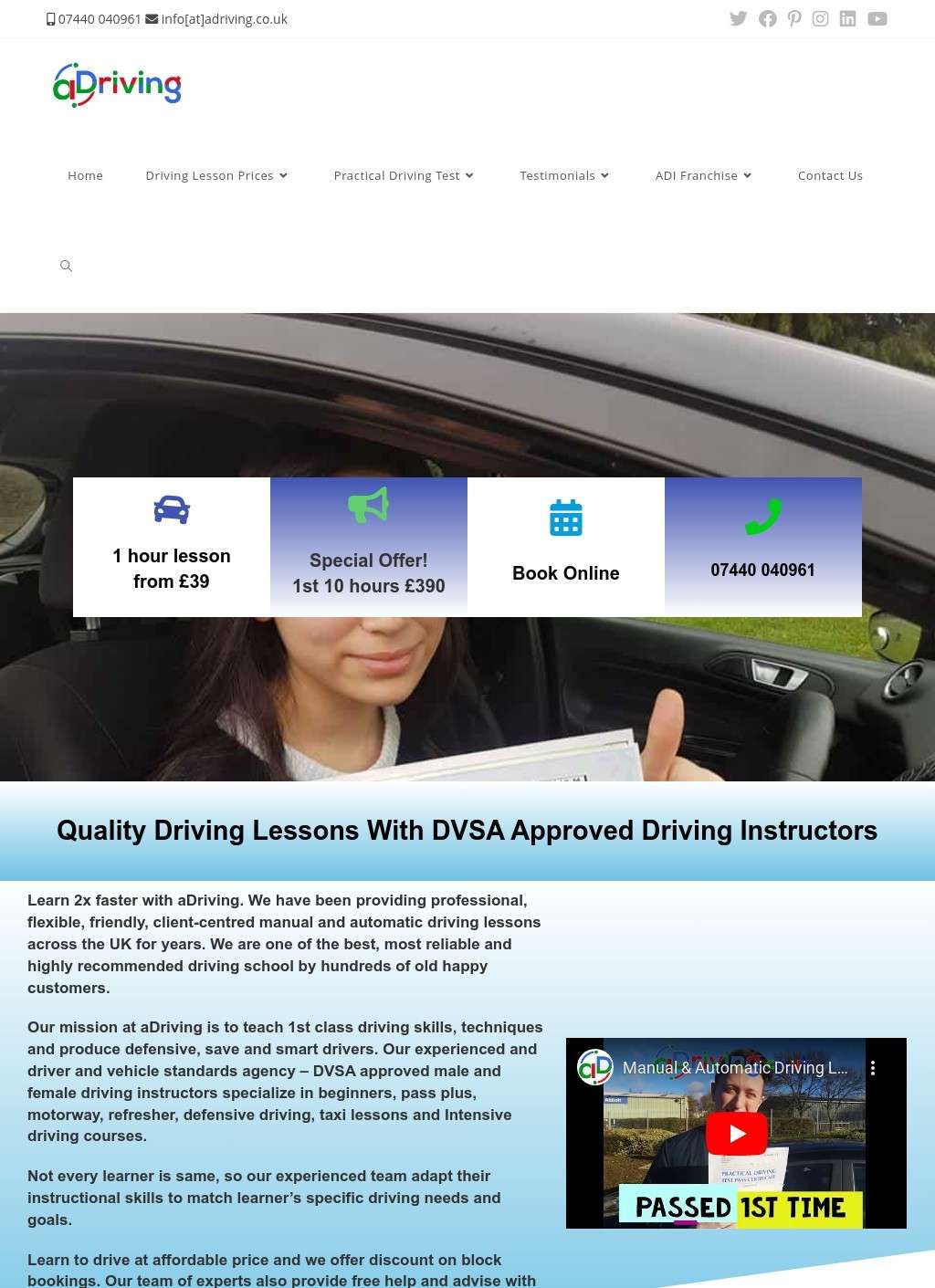
aDriving School publishes its rates directly on the site: thirty-nine pounds per hour, with a ten-hour block at three hundred and ninety pounds and discounts on larger bookings. Visible pricing is uncommon in driving tuition, where many schools force prospective students to call. Publishing a number lets a learner run a direct cost comparison without making contact, which removes a friction point that often filters out less persistent enquirers and keeps the pool of prospective students narrower than it needs to be.
aDriving School states that most students need between twenty and thirty hours to reach test standard, a range consistent with national averages and a useful anchor for budgeting. The school also claims an eighty-to-ninety percent first-time pass rate. That figure is self-reported; no independent platform aggregates pass rates by instructor or school in a way that allows outside verification. A learner should read it as a marketing claim and weight it accordingly.
Verifying DVSA instructor credentials
All instructors are stated to hold DVSA approval, the standard regulatory credential any learner should confirm before booking. The claim is plainly stated on the site. Asking an assigned instructor for their badge number and cross-checking it directly with the regulator takes a few minutes and removes all ambiguity, an especially useful step given that aDriving School coordinates multiple instructors across a wide geography, not a single instructor accountable to the student face to face. The difference between a solo DVSA-approved instructor and a network of instructors under a shared brand is one a prospective student should raise directly before booking.
Ways to contact the school
Contact at aDriving School is complete: a phone number and email address are published alongside operating hours from nine in the morning to nine at night, Monday to Saturday. The extended evening availability is directly useful to the core learner base, most of whom are in school, college, or work until late afternoon. Social presence runs across Facebook, Twitter, Instagram, LinkedIn, YouTube and Pinterest, a breadth of channels that goes beyond what a single-instructor operation would typically sustain and points to dedicated online management.
Independent review scores
aDriving School has one Trustpilot entry, rated 3.2 out of 5. A single entry yields no meaningful average; the score is statistical noise. No aggregated ratings appear on Google or comparable platforms for the school.
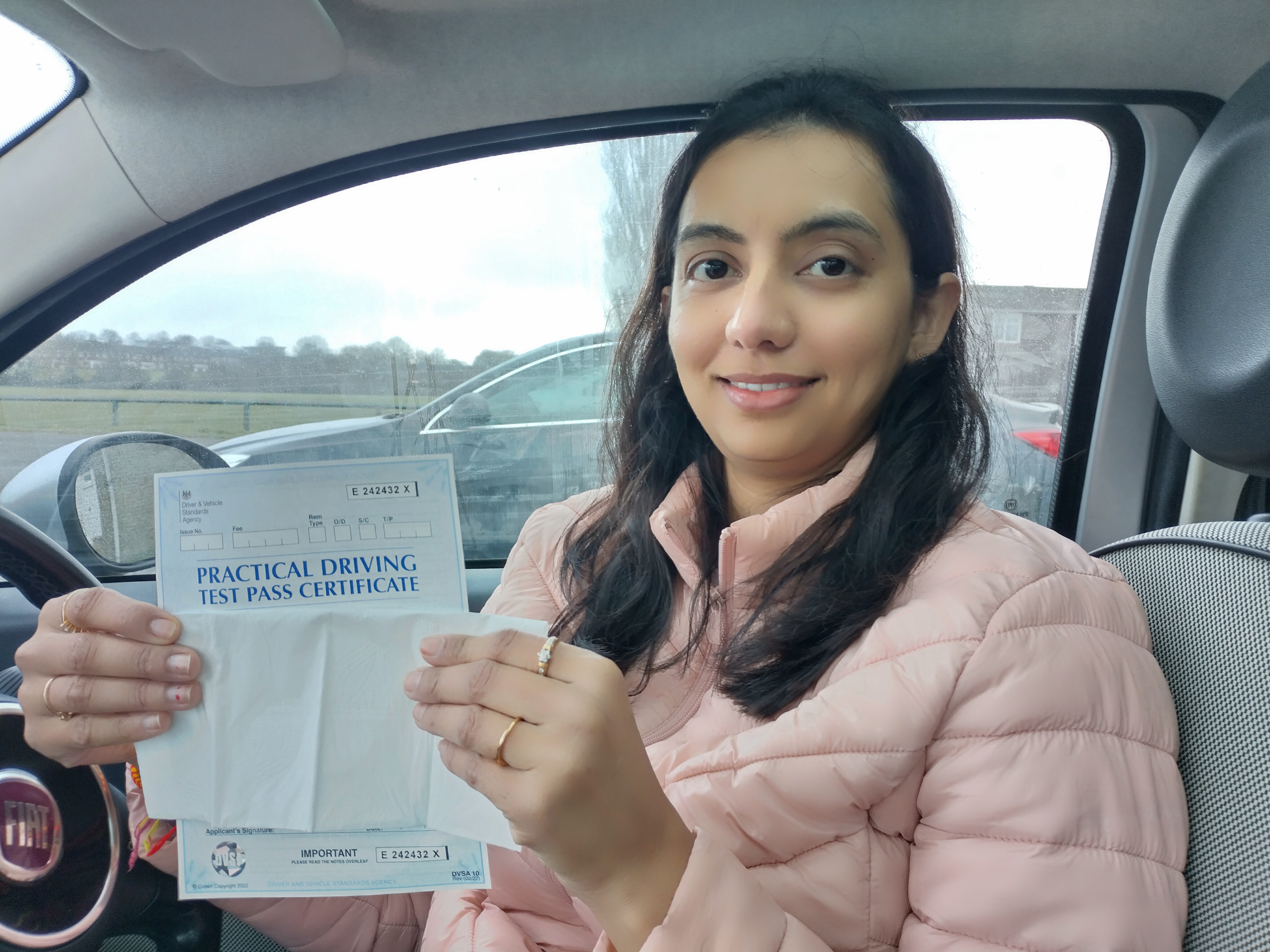
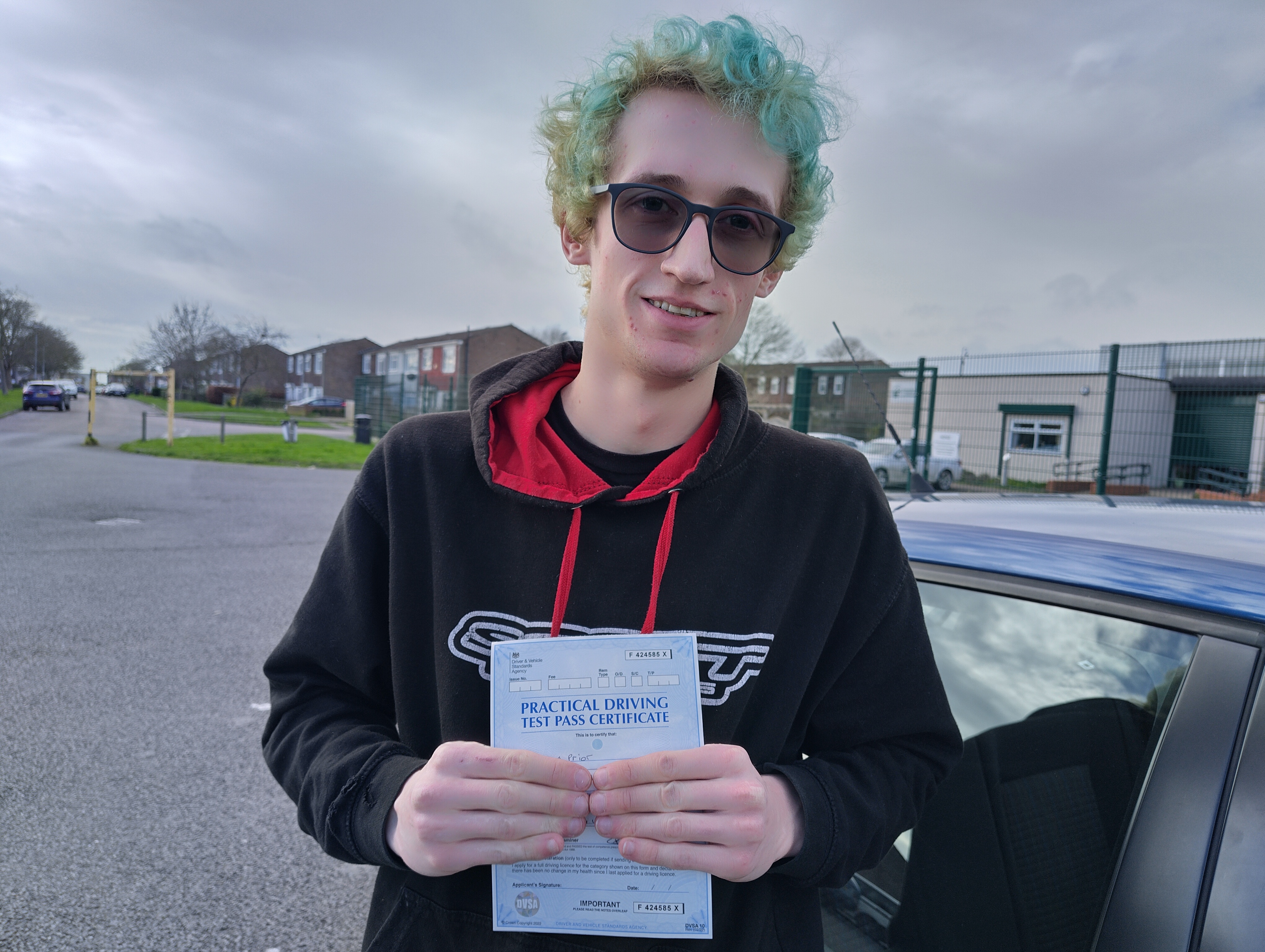
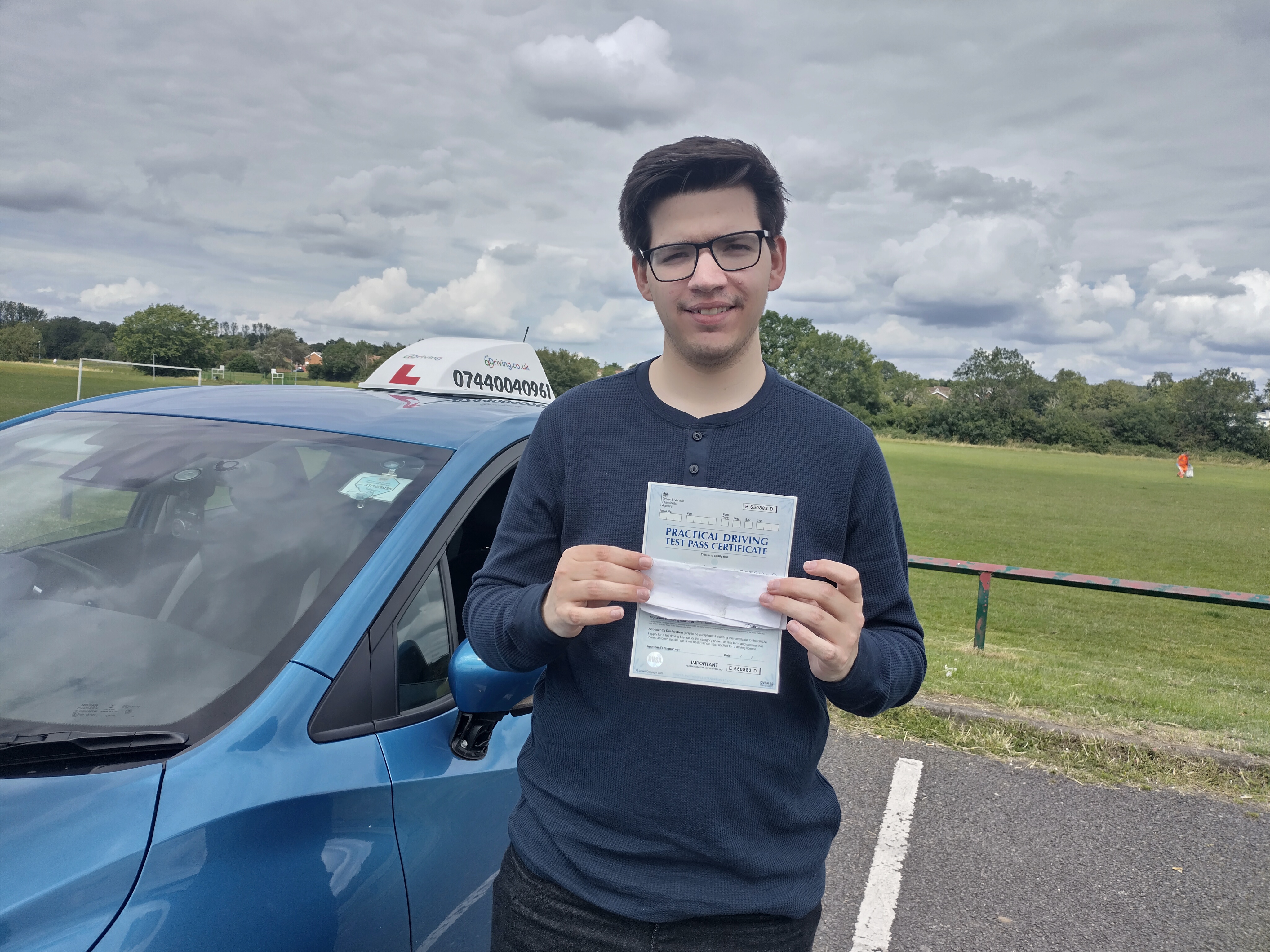
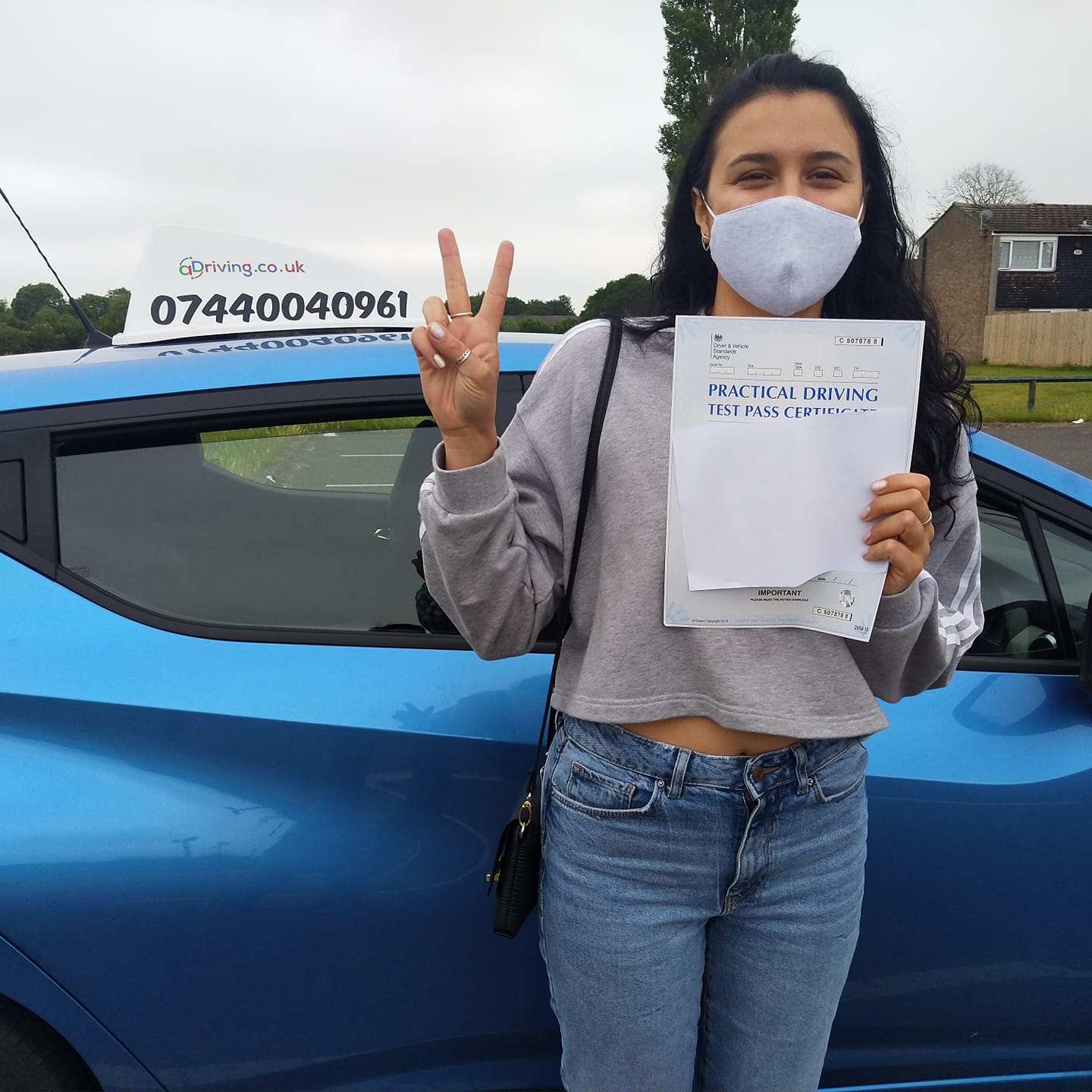
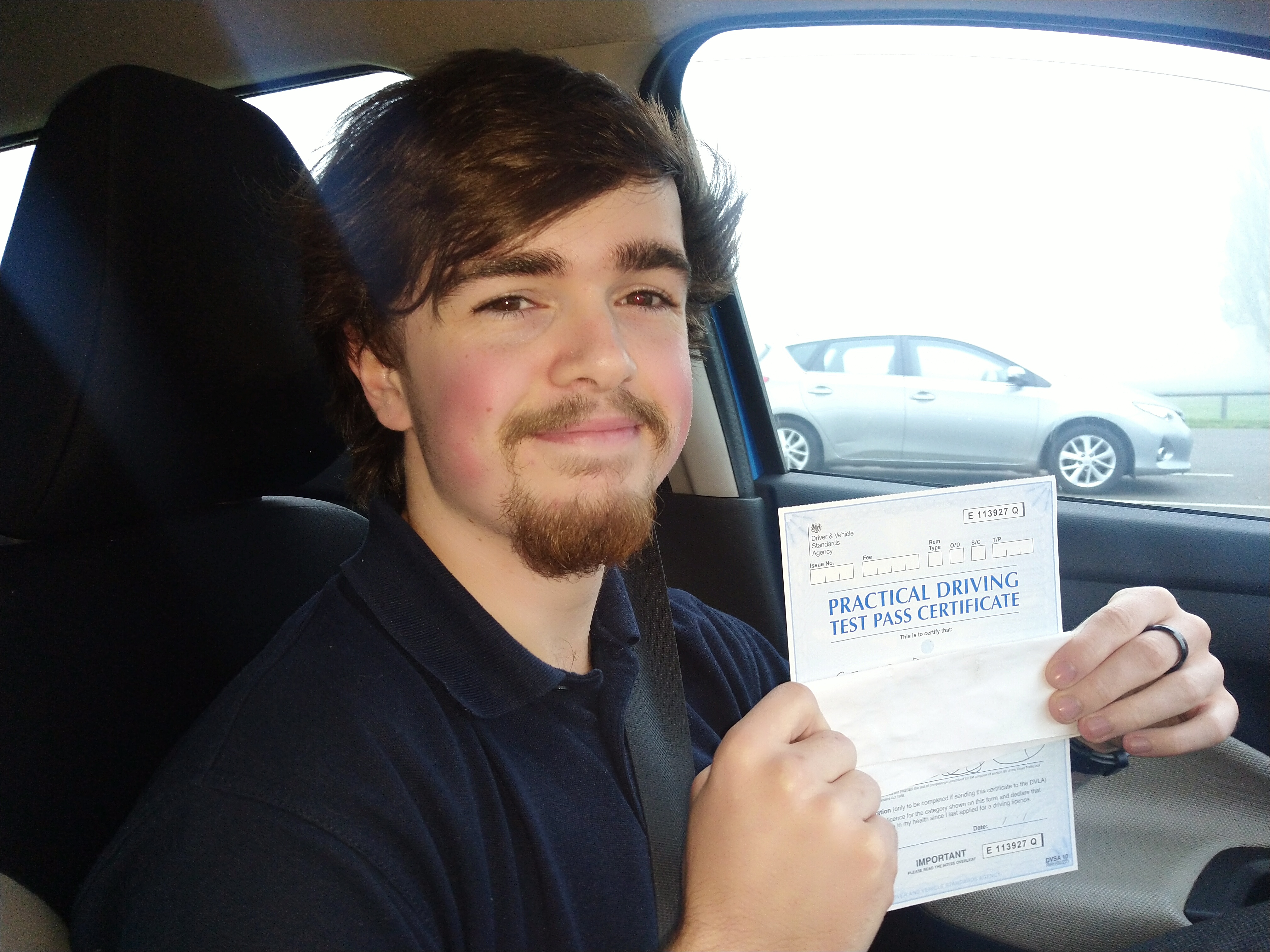
The aDriving School website carries a large archive of named testimonials and first-time-pass accounts, and the school's Facebook page shares screenshots of individual Google reviews. All of that material is self-selected. The volume of named students does point to an active customer base over several years, but self-curated highlights and a neutral platform collecting the full spread of feedback are different things, and a prospective learner should keep that distinction in mind when reading through the aDriving School testimonial page.
The disproportion between the school's presented scale and its external review footprint is the sharpest problem with this listing. A provider covering more than a dozen towns with multiple instructor types and a breadth of courses stretching from beginner lessons to professional licensing should, over enough time, accumulate a more visible independent record than one Trustpilot entry at 3.2. An eighty-to-ninety percent pass rate, if it holds anywhere close to that figure, would generate exactly the kind of unprompted, unsolicited reviews that build an external reputation on neutral platforms year after year. That those reviews are not accumulating at any visible rate is harder to explain by age or market size alone.
The service structure at aDriving School is organised, the pricing is transparent, the geographic coverage is specific, and the DVSA credential claim is at least something a prospective student can go and check independently with the regulator. But a school presenting the operational scale aDriving School presents has had enough time to accumulate external reviews, and the near-absence of them on neutral platforms is the one thing no service page or testimonial archive can explain away. That absence is where a prospective learner's attention should settle.