The United States Postal Inspection Service
The United States Postal Inspection Service is the federal law enforcement arm of the postal system. Its job is to protect the Postal Service, the people who work for it, and the customers who use it, and to keep the mail from being used to commit crimes. It is one of the oldest law enforcement bodies in the country. Its origins trace to 1775, when Benjamin Franklin, as the first Postmaster General, took responsibility for auditing and regulating the young postal network. By 1880 its investigators carried the title Post Office Inspector, and the modern service grew from that line of work.
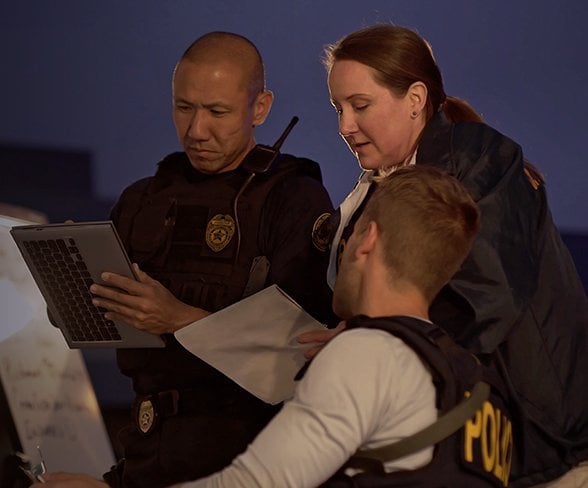
The agency employs roughly 2,400 people. Postal Inspectors are armed federal officers who develop cases, gather evidence, and make arrests. Postal Police Officers provide security for postal facilities and high-value shipments, while analysts, technicians, and administrative staff support both. Together they enforce more than 200 federal statutes that touch the mail in some way.
Mail fraud and the law
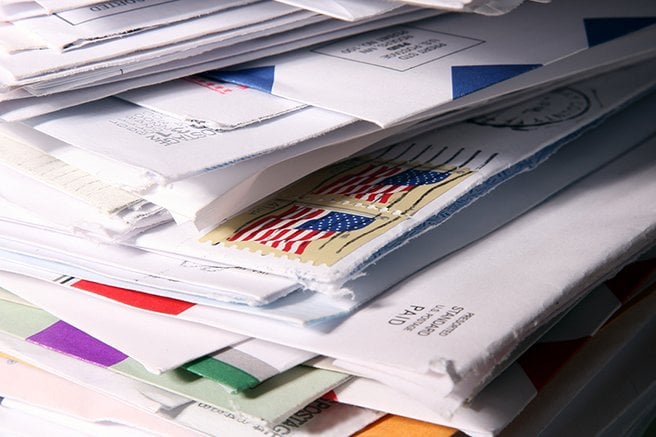
The core of the agency's consumer work is mail fraud. For more than 150 years its inspectors have pursued people who use the postal system to cheat others, from plain swindles to complicated international operations. The federal mail fraud statute makes it a crime to use the mail as part of a scheme to obtain money or property by false pretenses. Because so many frauds rely on the mail at some point, whether to send an offer, collect a payment, or ship a supposed product, the statute reaches a broad set of schemes.
What Postal Inspectors investigate
Fraud cases the service handles include sweepstakes and lottery scams, chain letters, fraudulent investment offers, romance scams, and online auction fraud. Related crimes come into scope when they connect to the mail, among them bank fraud, identity theft, credit card fraud, wire fraud, and internet fraud. The common thread is simple: if a piece of the scheme travelled through the postal system, the Postal Inspection Service can take an interest.
How a case is built
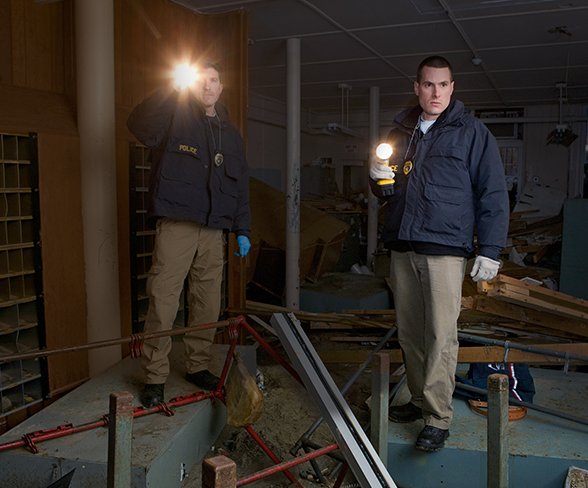
Inspectors gather information from complaints, financial records, and the physical evidence of the mail itself. They analyze that material, connect individual reports into a picture of a wider operation, and then work with United States Attorneys' offices and local prosecutors to bring charges. A single consumer complaint may look minor on its own. Placed next to hundreds of similar reports about the same address, the same post office box, or the same money order, it can become one strand of a prosecutable case.
Online auctions and bidding-fee schemes
Online auctions sit squarely inside the agency's fraud caseload. A buyer who pays for an item and receives nothing has, in many cases, been defrauded through the mail, because the payment or the promised delivery moved by post. The service treats this kind of non-delivery as a form of mail fraud when the postal connection is present.
Penny auctions, also called bidding-fee auctions, raise a particular set of consumer concerns. On these sites each bid costs a small non-refundable fee, and a participant can spend a large amount in fees while winning nothing at all, since the fees are charged whether or not the bid succeeds. Some operators run the format honestly. Others use it as a shell, taking bid fees and prize payments and then failing to deliver, or shipping goods that do not match what was advertised. When money orders, checks, prize notices, or the goods themselves pass through the mail, the scheme falls within postal jurisdiction.
For a consumer facing this situation, the service offers a defined route. A person can report a suspected mail-connected fraud by calling the national hotline or by filing a complaint online, and can mail supporting material to the Criminal Investigations Service Center that handles mail fraud reports. The kinds of detail that help an investigation include:
- the name, web address, and any mailing address of the auction operator;
- copies of payment records, including money orders or checks sent by mail;
- the dates and amounts involved, and what was promised against what arrived.
When an auction problem becomes mail fraud
Not every dispute about an online auction is a federal crime. A late shipment or an honest disagreement over quality is a civil matter, not a criminal one. The line the service watches for is intent to deceive combined with use of the mail. A seller who never meant to deliver, who used a mailed money order to collect payment, or who mailed false winning notices to draw bid fees, has crossed into the territory the mail fraud statute was written to cover. The agency's long record with counterfeit money order scams is relevant here, since fake postal money orders have been a recurring tool in auction and overpayment frauds.
Within the Penny Auctions category, the Postal Inspection Service works as an enforcement and reporting reference rather than a marketplace. It does not rate individual auction sites or recover money for a particular buyer. What it provides is a federal channel for the mail-connected part of auction fraud, the investigative capacity to turn scattered complaints into cases, and a body of published guidance that helps consumers recognise the warning signs of a bidding-fee operation that has moved from aggressive marketing into deception.



Business address
United States Postal Inspection Service
433 West Harrison Street, Room 3255,
Chicago,
Illinois
60699-3255
United States
Contact details
Phone: +1 877-876-2455