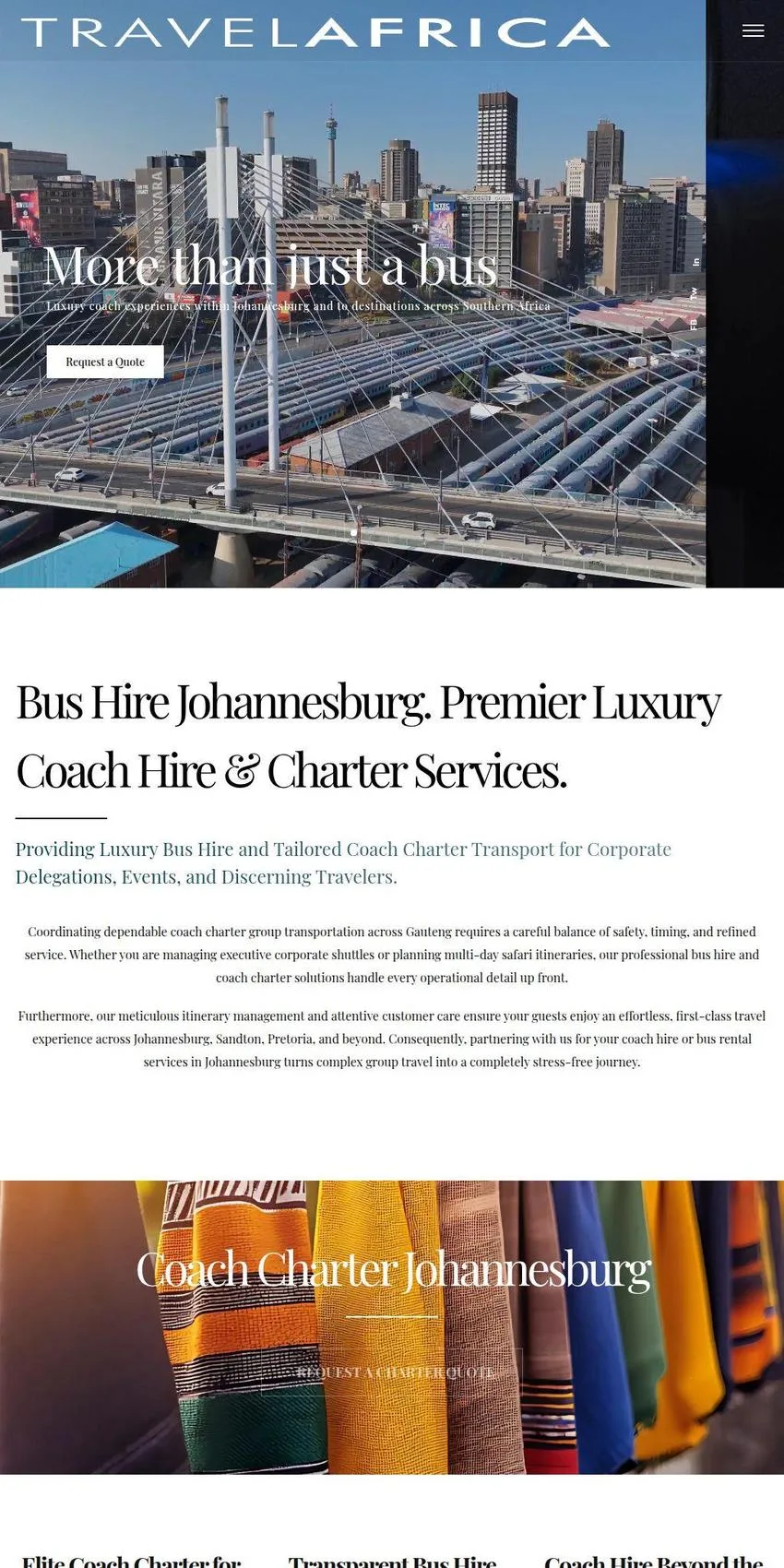
The only place name that appears in the contact section of the website is Constantia, a suburb most commonly associated with Cape Town; for a service that markets itself as 'Bus Hire Johannesburg', this detail requires some explanation. The explanation lies in the group's structure: according to the company's statement, Bus Hire Johannesburg operates as an official division of Travel Africa, the travel and coach hire company, whilst the sister websites in the network, Bus Hire South Africa and Bus Hire Cape Town, describe the Johannesburg operation as one of their locations, with two seasonal guides and an airport meet-and-greet coordinator. The city depot is described only as being centrally located, with no specific address.
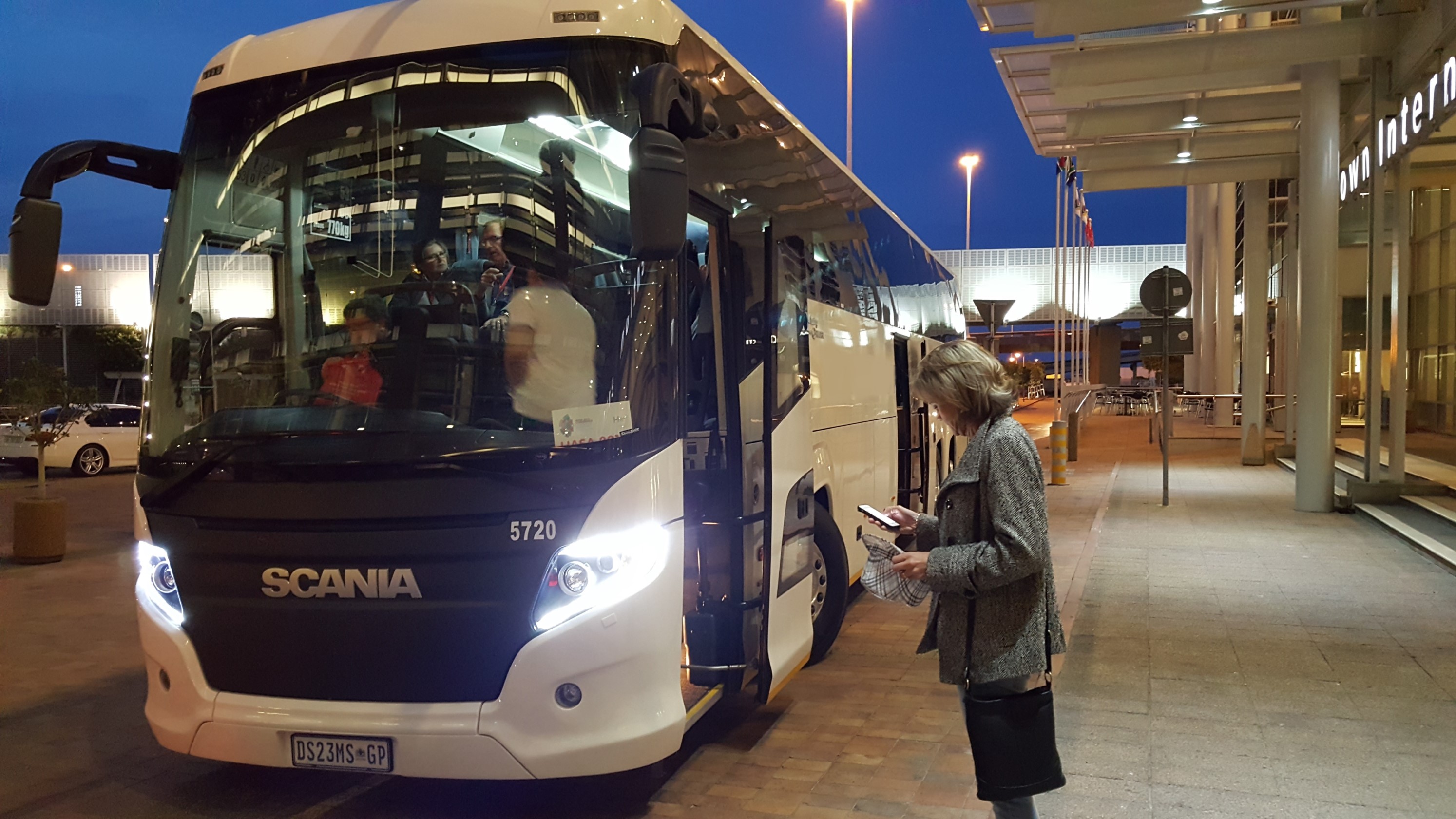
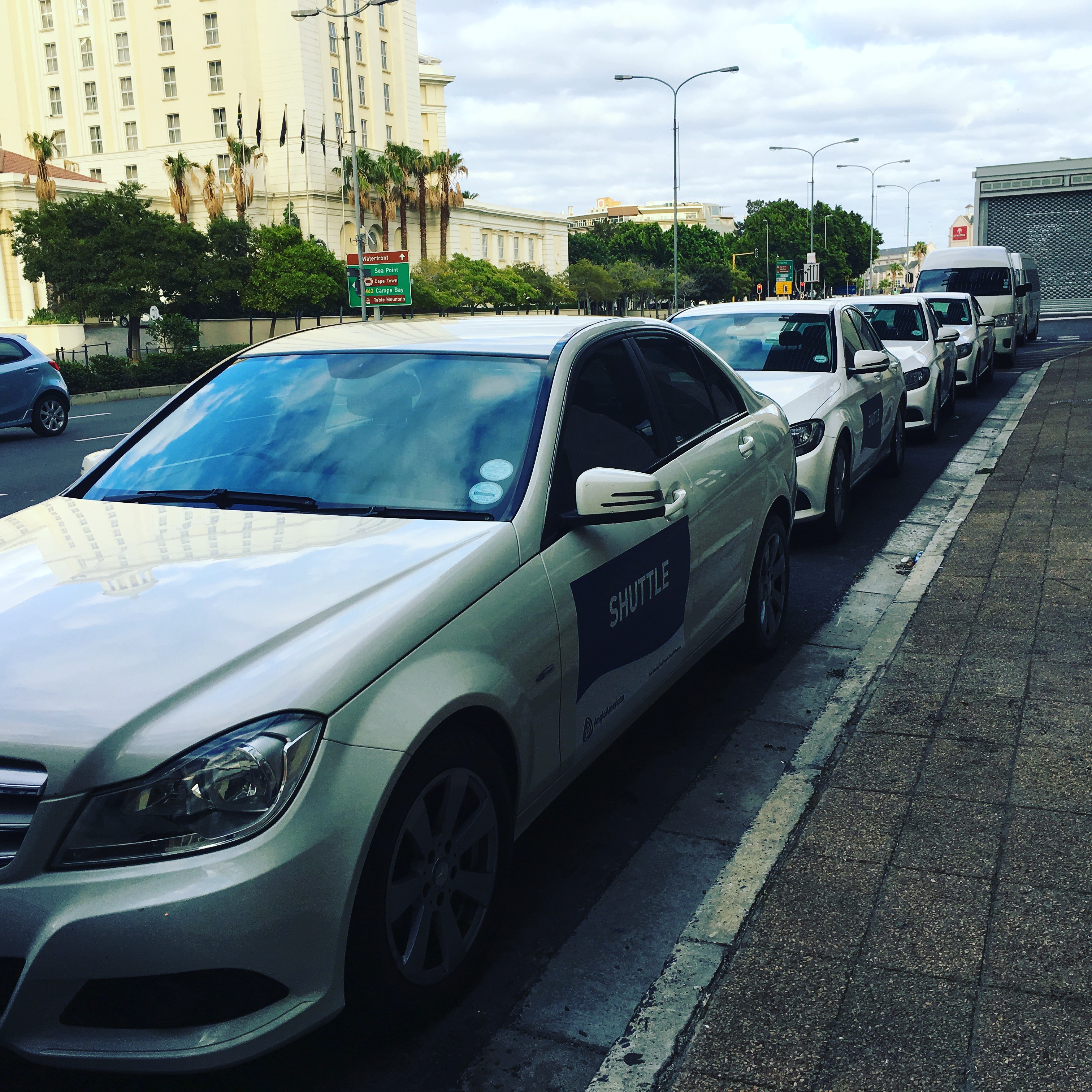
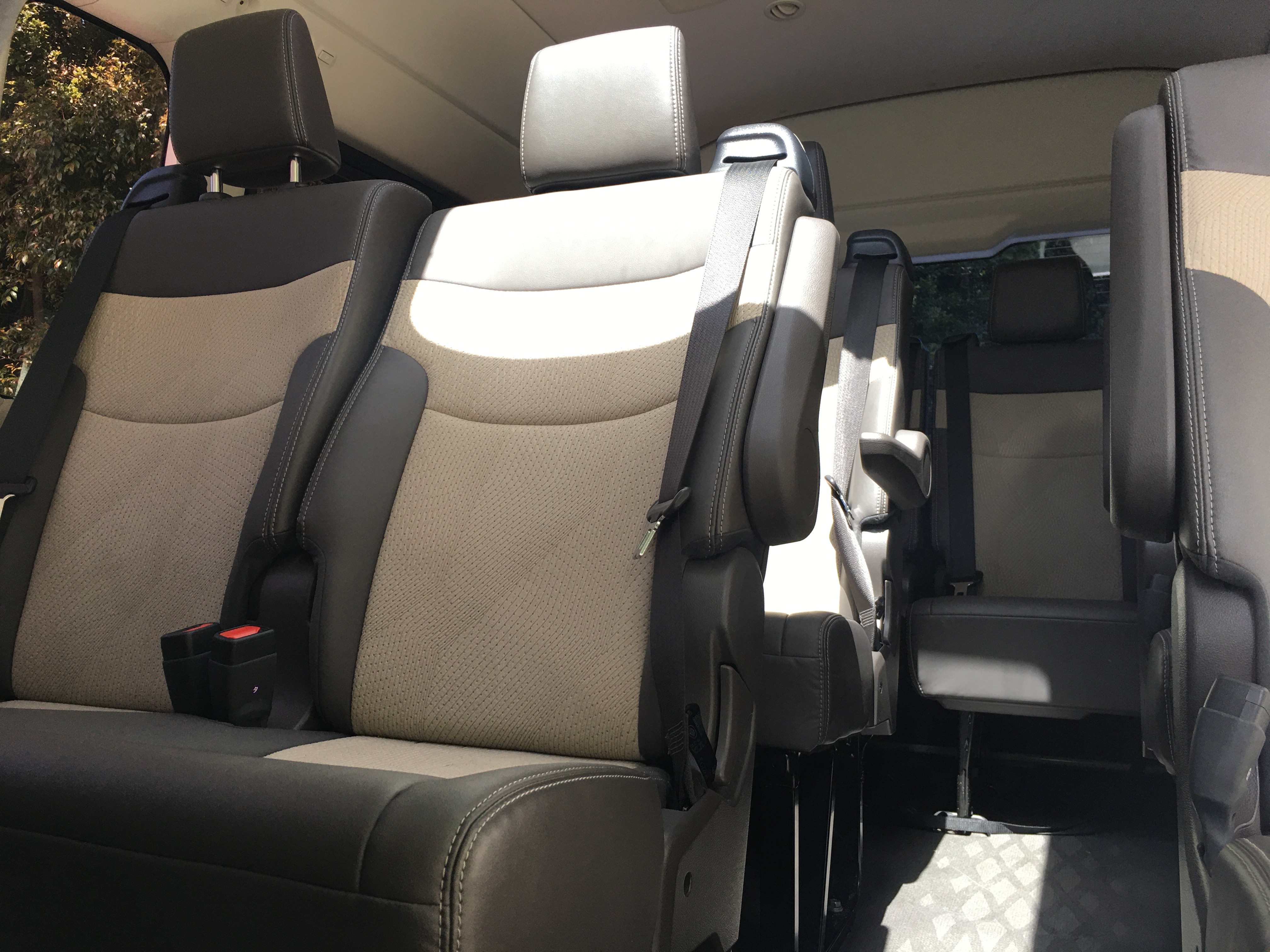
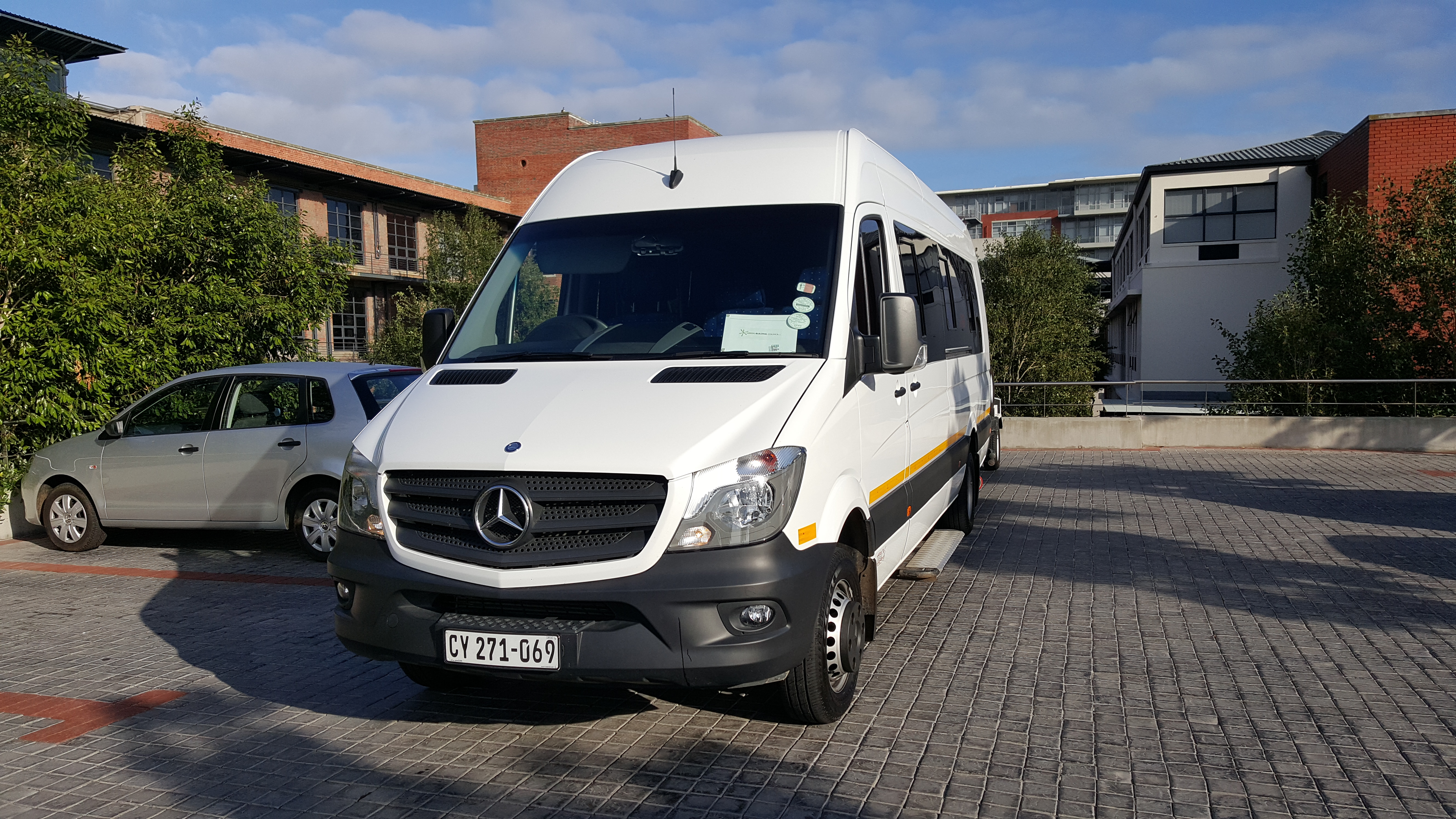
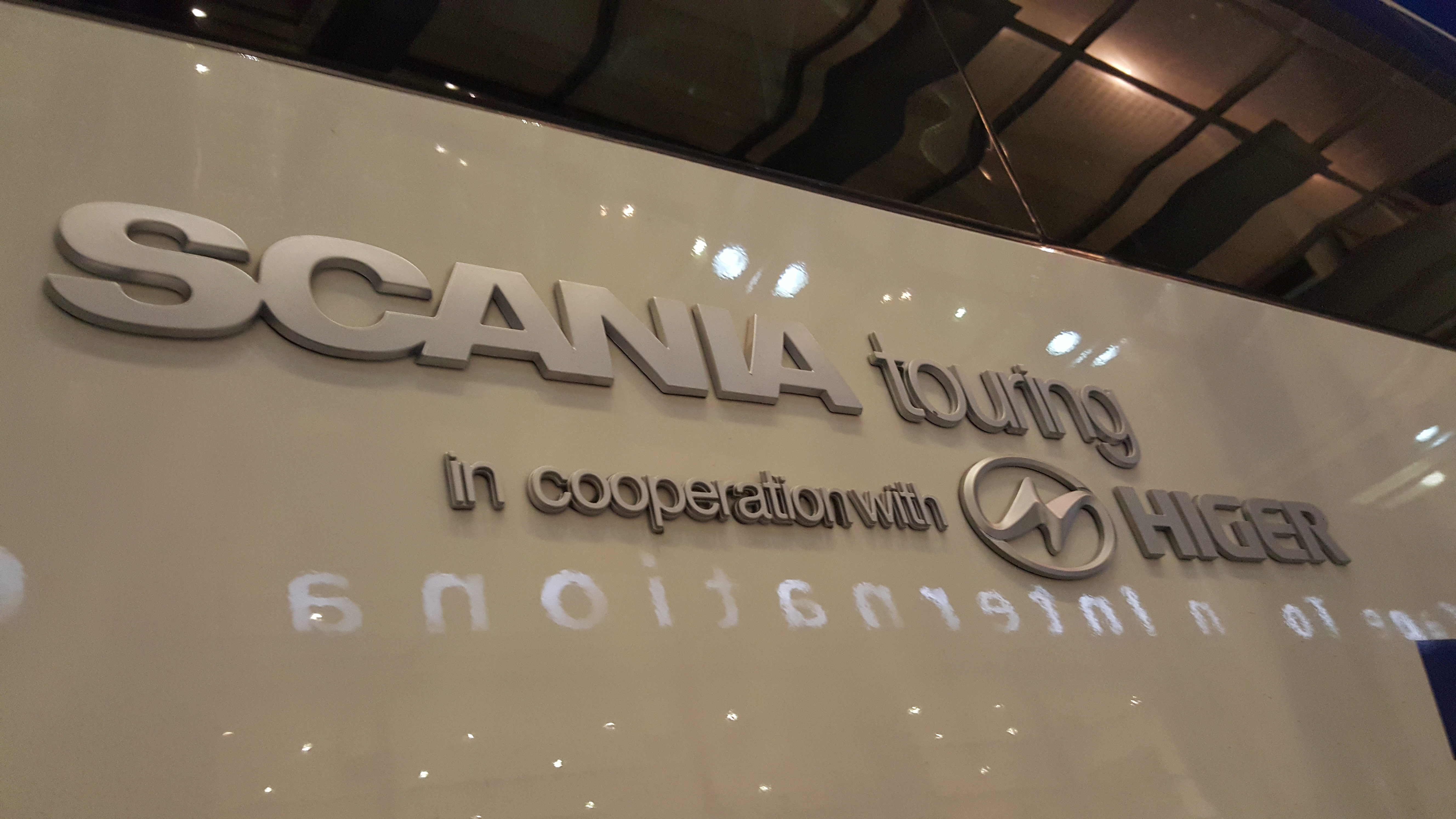
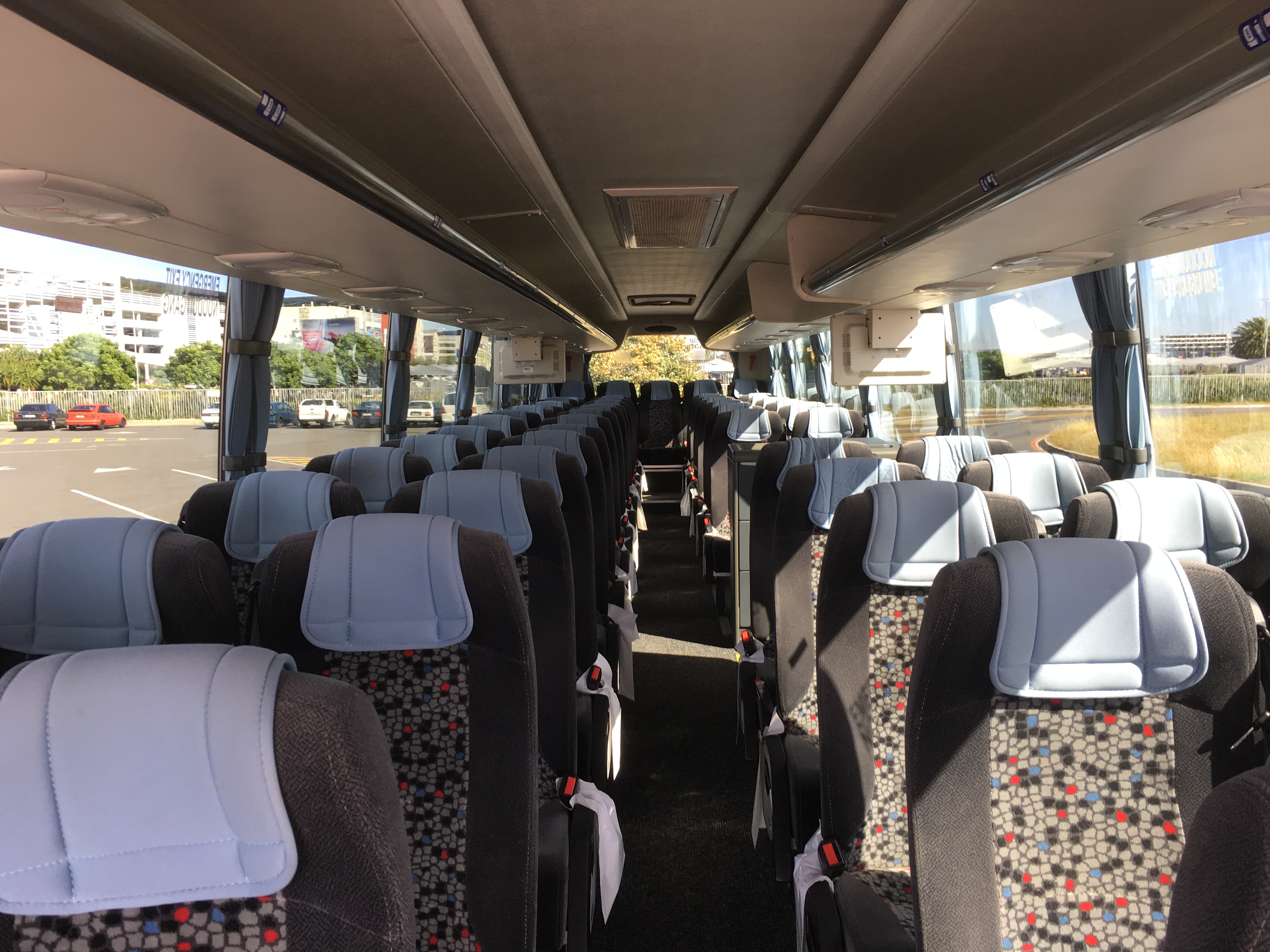
The fleet displayed on the pages of the network to which Bus Hire Johannesburg belongs ranges from economy saloons or Mercedes models up to semi-luxury coaches with 65 and 70 seats. In between are 7-, 9- and 13-seater minivans, 17-, 19- and 21-seater Sprinters, coaches with 32, 39 (Hyundai Universe), 40 or 44, and 52 or 56 seats – the latter being Scania Higer and Irizar i6 models, the two pictured on the homepage – plus a 60-seater luxury coach without an on-board toilet. No vehicle is hired without a driver, and the website emphasises this in capital letters. Support throughout the tour is advertised as available round the clock, and the area covered starts from Johannesburg and Pretoria, extends to Kruger, Durban, Port Elizabeth and Cape Town, and crosses the border into Botswana, Mozambique, Namibia, Eswatini and Lesotho.
The pricing pages on Bus Hire Johannesburg's website are the most useful part of the site and, at the same time, the most tedious. The figures are given in South African rands: a 52-seater coach costs between 5,900 and 8,500 for a day's hire, i.e. around 8 hours and 200 to 250 kilometres; the 39-seater model has an average price of 6,500 and a rate per kilometre of under 20; the 32-seater, on average, costs 4,980. An airport transfer by saloon car starts at 690 each way and includes a coordinator who meets the group at the terminal exit; for 38 passengers, the same transfer costs between 3,937 and 4,596, depending on the season. The licensed tour guide is paid separately, between 950 and 2,000 per day.
The website also sets out in black and white a few pricing rules: a half-day tour, lasting 4 to 6 hours, costs 25 to 32 per cent less than a full day, as the coach cannot be reused after a short tour anyway; a dinner transfer added to a full day costs about 20 per cent extra, half the price of the same transfer booked separately; and during the Australian winter off-season, rates drop because the fleet needs to be kept on the road. The FAQs from Bus Hire Johannesburg complete the picture: the offer includes the coach, the driver, fuel and electronic road tolls in Gauteng; the only extras to be paid are parking fees and entrance charges; a deposit is payable upon booking and the balance before departure; and during peak season, bookings must be made two or three months in advance. The terms and conditions also include a fuel surcharge clause, which may be applied if the price of diesel rises unexpectedly.
Beyond the rates, the pricing page also serves as a planning guide: it recommends grouping attractions by area (Soweto with Vilakazi Street and the Apartheid Museum on the same day, the Union Buildings with Constitution Hill on another), warns that a day's tour should not exceed 200 to 250 kilometres, and lists nature reserves accessible by coach, with distances and journey times: Dinokeng at 100 kilometres and two hours, Pilanesberg at 200 kilometres and two and a half hours, Madikwe at 355 kilometres and four and a half hours, Kruger at 455 kilometres and five hours. These are tips that a group organiser can use even if they're hiring a coach elsewhere.
The problem lies in how the pages on Bus Hire Johannesburg are written. Almost every sentence begins with a filler connector (Firstly, Moreover, To clarify, Having said that), a search engine optimisation quirk that doubles the length of the text and makes it difficult to read; the page on prices in Johannesburg runs to thousands of words, with digressions on financial crises, the history of diesel prices, the Johannesburg Stock Exchange and a comparison with New York, before it even gets to the figures. The price tables promised in the text (a 4-day tour, a 10-day tour, transfers from Lanseria, an example with a 17-seater minibus) do not appear at all; instead, codes such as 'wptb' remain. The figures in the surrounding paragraphs save the day; the tables do not.
The introductory text oscillates between the practical tone of a list of services and a tone of luxury, featuring VIP transfers, corporate delegations, elite SUVs and travel curators, which does not fit with the rest. The 'About Us' page claims two decades' experience in the industry and prestigious clients, whom it does not name in the text; both claims remain unsubstantiated. In the group's favour is the consistency across its websites: the same fleet and the same breakdown by city (Cape Town, Durban, Port Elizabeth, Nelspruit, Bloemfontein, Polokwane) appear on Bus Hire South Africa, Bus Hire Cape Town and the Johannesburg division, and details such as real-time tracking of a delayed flight or the coordinator waiting for the group at the terminal paint a picture of a well-run operation.
Business address
Bus Hire Johannesburg
21 Innesfree Way,
Cape Town,
Western Cape
7806
South Africa
Contact details
Phone: +27660438058