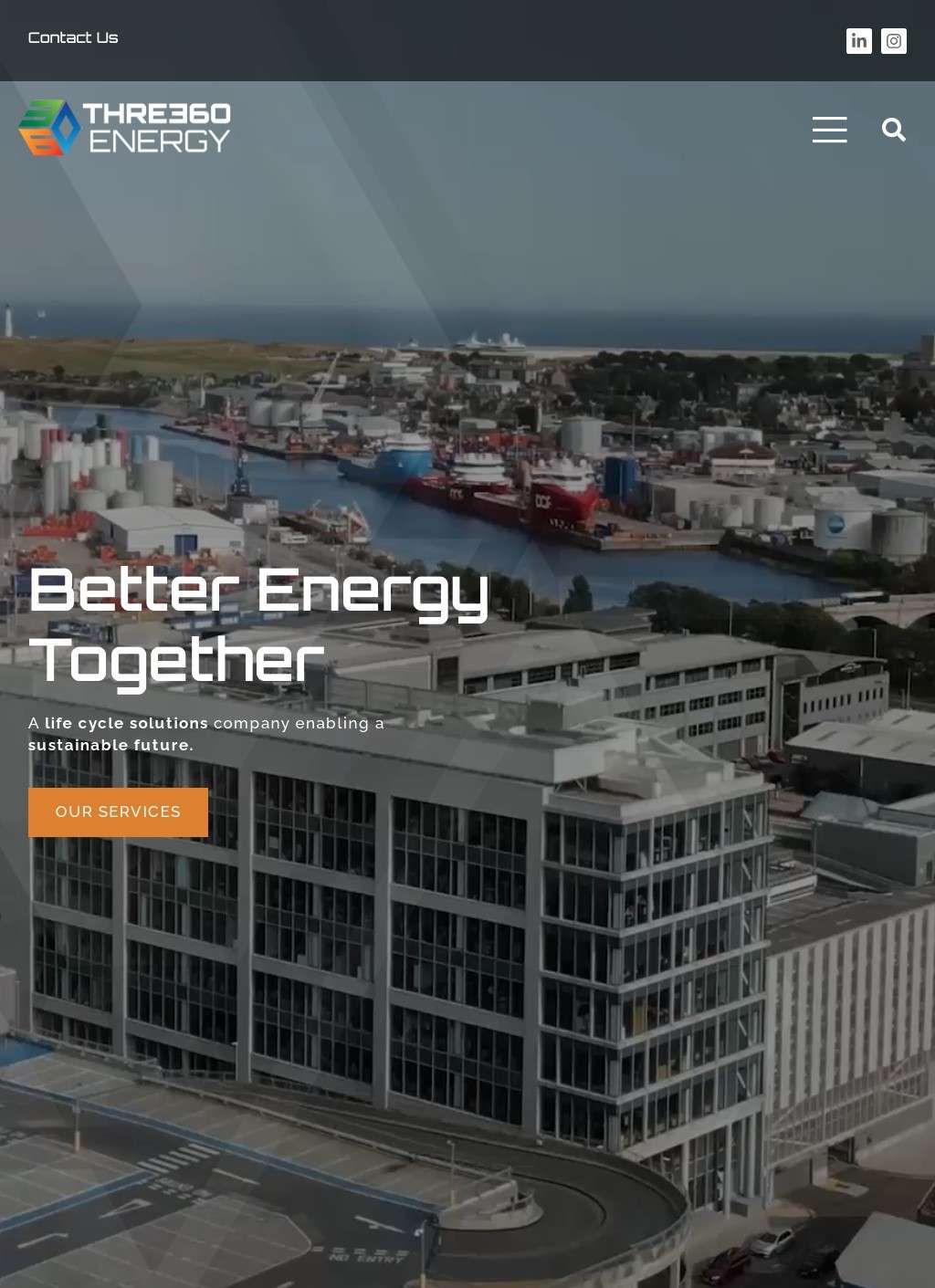
FastRig is the product that makes THREE60 Energy easier to place than the usual engineering consultancy. It is a wind-assisted propulsion rig for cargo ships, pitched as a way to trim marine fuel use and shipping emissions by up to 30 percent. That one piece of hardware tells you something about the company behind it: this is a firm that started in oil and gas and now spends real effort building things that push in the opposite direction, toward lower-carbon shipping and renewables. A reader arriving from a search for energy engineers gets more than a slide deck of promises here.
THREE60 Energy was founded in 2016 and runs out of a UK head office, with people working across Europe, the United States, South America and Asia. Third-party figures put it at roughly 369 staff and around 15 million dollars in annual revenue, which reads as a mid-sized specialist, not a giant. It describes itself as a Tier 2 service operator, the sort of partner a large oilfield operator hires to run specific slices of an asset's life without building the capability in-house. The LinkedIn following, close to 28,500, is heavier than the revenue would suggest, so the brand travels further than the balance sheet.
Six service lines across the asset lifecycle
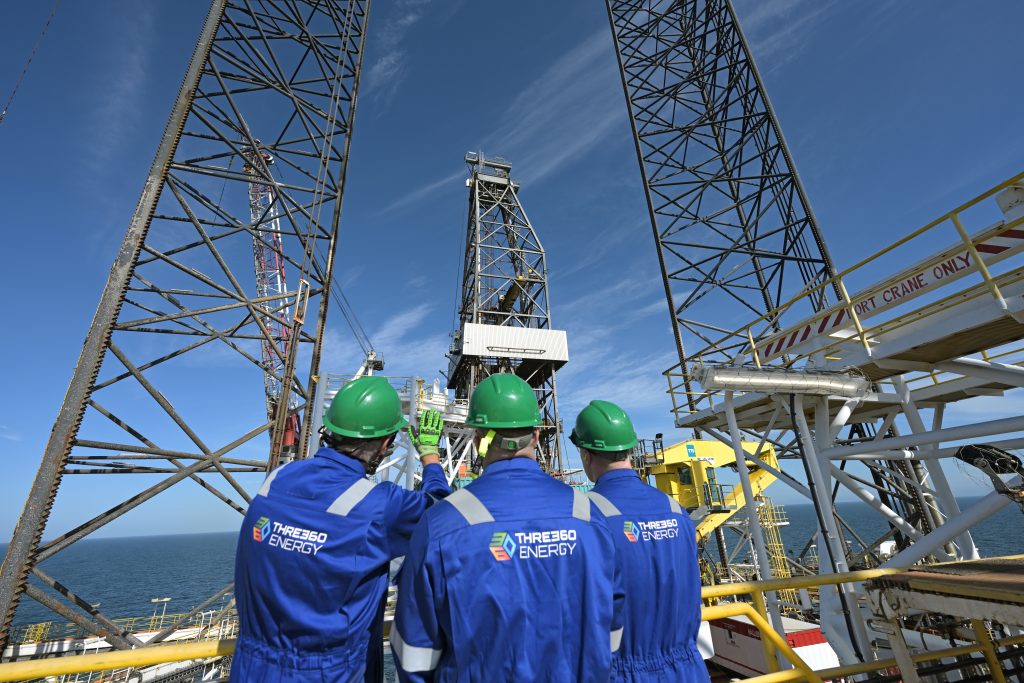
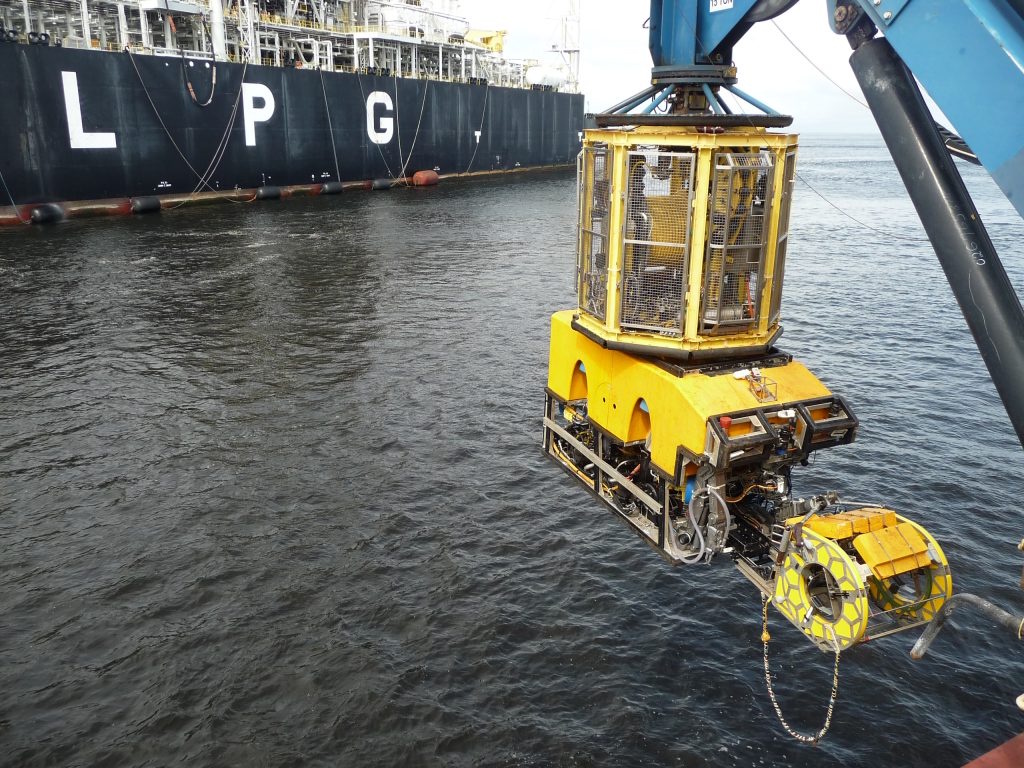
What THREE60 Energy lays out is a full lifecycle offer split into six lines, and they are distinct enough to be worth naming. Subsurface covers reservoir modeling and field development. Wells handles well engineering and consultancy. Subsea deals with inspection, repair and maintenance of underwater assets. EPCC is the heavy end, engineering through procurement, construction and commissioning. Operations includes duty holder services and asset management, meaning THREE60 Energy can take legal and practical responsibility for running a facility. Product Solutions is the hardware arm, with testing equipment, handling gear and monitoring systems.
Subsurface to operations
Stacked together, those lines let one firm follow an asset from the geology under the seabed to the day it is decommissioned. That breadth is the selling point and also the thing a buyer should read carefully, because a company doing six very different jobs has to be genuinely deep in each, and the site alone cannot prove that. It does at least resist the temptation to be vague. Each service line comes with concrete tasks attached, so the reader can tell what would actually be delivered.
Work beyond oil and gas
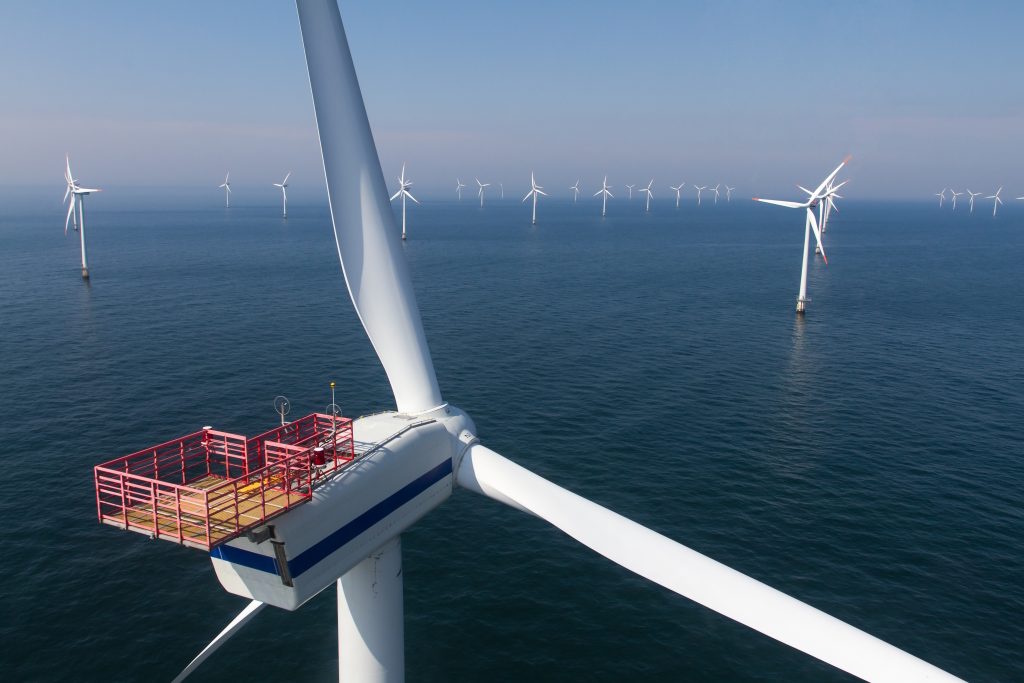
The sector spread is wider than the oil and gas origin implies. Alongside its traditional base, THREE60 Energy lists work in renewables (onshore and offshore wind), carbon capture and storage, marine, defence and nuclear. Commercial advisory sits beside the technical work: due diligence, competent person reporting and transition services for companies moving assets or changing hands. For an operator weighing a purchase or a shift into cleaner generation, having the engineering and the advisory under one name is a practical convenience.
Contact methods and company visibility
Contact details are where THREE60 Energy feels solid. A direct phone line and a company email are published openly, and there is a proper contact page rather than a buried form. The Aberdeen area dialing code fits the North Sea heritage. LinkedIn and Instagram accounts are kept active, which for a business-to-business engineering firm is more about recruitment and visibility than customer chatter, but it does mean the company is reachable and not hiding.
Employee reviews on pay and advancement
On outside opinion, the picture thins out, and honesty demands saying so. The reviews that exist are from employees, not clients. Glassdoor carries seven staff reviews with a mention of a good hourly rate, and SimplyHired and Indeed hold a couple more with sub-scores that split oddly: pay and benefits scoring well, job security and advancement scoring poorly. None of that speaks to how the engineering lands with the companies paying for it. No Trustpilot, Google, BBB or Yelp presence turned up, which is normal for this kind of contractor. Large operators judge THREE60 Energy through tender results and framework agreements, not public star ratings, so the absence of consumer reviews says little either way. It does mean a prospective client has to lean on references and track record instead of a rating page.
FastRig marine propulsion technology
The FastRig product is the clearest signal that this is not a firm coasting on legacy work. Building a sustainable marine technology while still serving well engineering and subsea maintenance shows a company trying to keep a foot in both the current energy economy and whatever comes next. Whether the 30 percent emissions claim survives real-world commercial service is something to verify with the company directly, but the ambition is documented, not implied.
Comparing THREE60 Energy to larger competitors
Set against a giant like Wood plc, which offers similar lifecycle engineering at far greater scale and with a deep public record, THREE60 Energy is the smaller, more specialised choice. That can cut either way. A buyer wanting the reassurance of size and a long audited history may prefer the larger name. One wanting a nimble Tier 2 partner with a defined set of services and a genuine renewables angle has a credible option here, provided the reference-checking is done properly before any contract is signed.

Important pages
Business address
THREE60 Energy
Anna n House, Palmerston Road,
Aberdeen,
Aberdeenshire
AB11 5QP
United Kingdom
Contact details
Phone: 01224 460460