A music initiative spanning the whole institution
Smithsonian Music is an online initiative of the Smithsonian Institution that gathers the organization's music holdings and programs into one place. Rather than belonging to a single museum, it draws on collections, archives, recordings, and research from across the Smithsonian's museums and centers, and it presents them for teachers, students, and general readers. The site answers questions about music and its history and tells stories about sound and instruments through objects the institution holds. Because so many of those objects and recordings are aimed at or usable by children, the initiative sits comfortably in a listing about music made for young audiences.
The Smithsonian describes its combined musical resources as the largest of their kind in the world, a claim that rests on the number and range of instruments, sound recordings, sheet music, photographs, and film held across its units. The music.si.edu portal acts as a common door to that material, linking to individual museum pages, digitized collections, and lesson material instead of holding everything itself. This structure lets a reader move from a page about a particular instrument to the museum that keeps it, or from a children's song to the record label that released it.
Collections held across the Smithsonian
The physical heart of the music holdings is at the National Museum of American History, though other units add their own material. The instruments, recordings, and papers together document how music has been made, sold, taught, and listened to in the United States and beyond.
Instruments and recordings
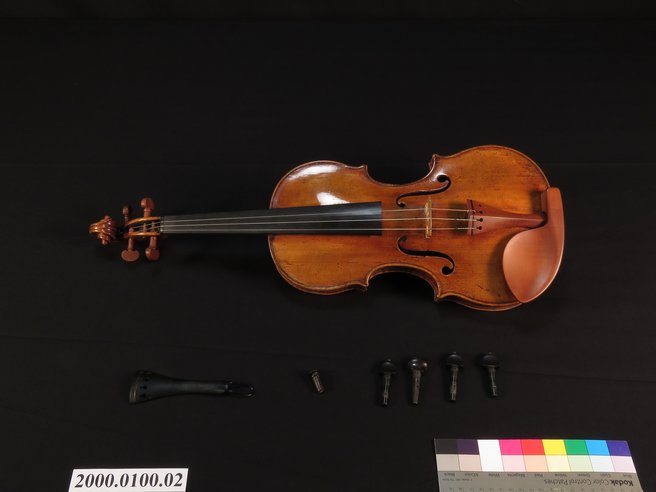
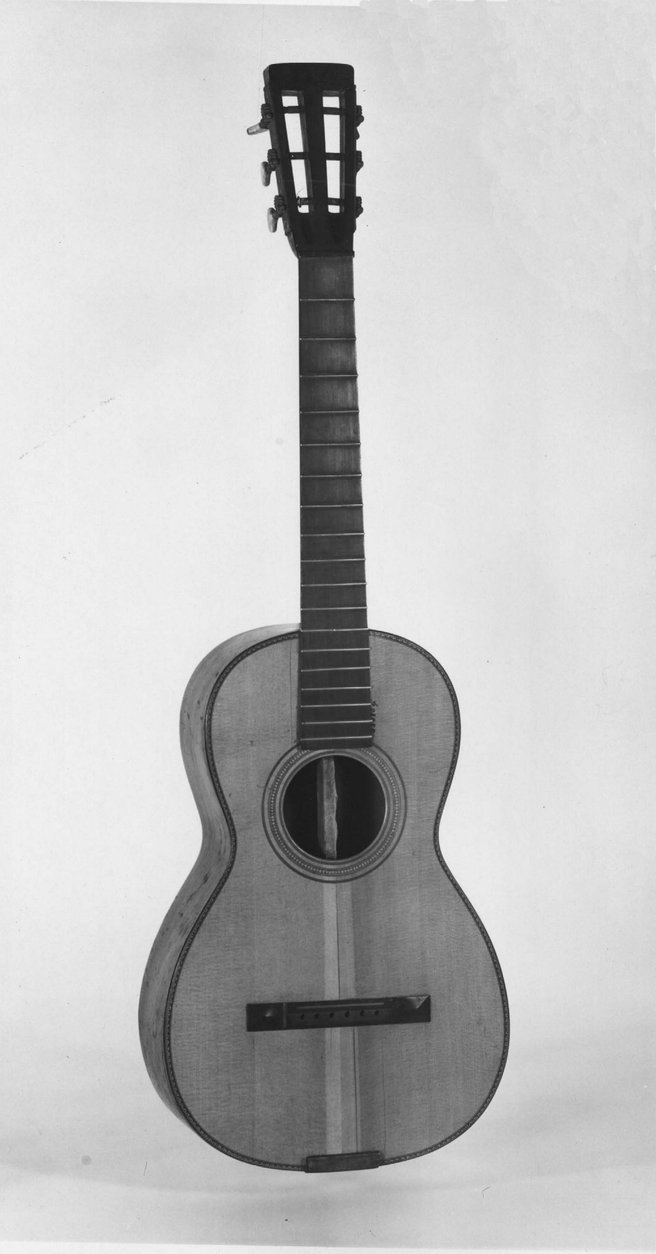
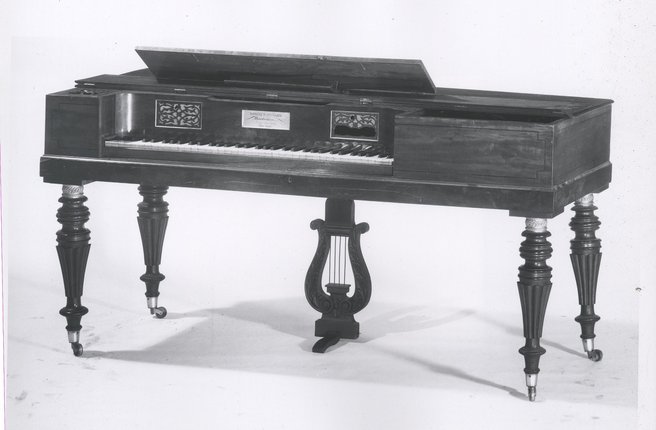
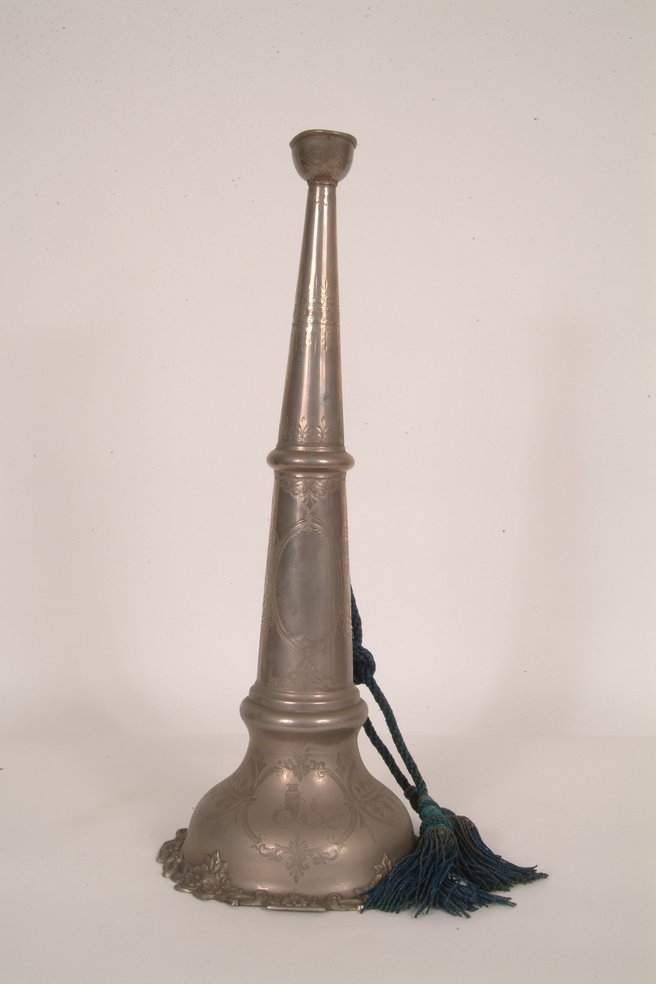
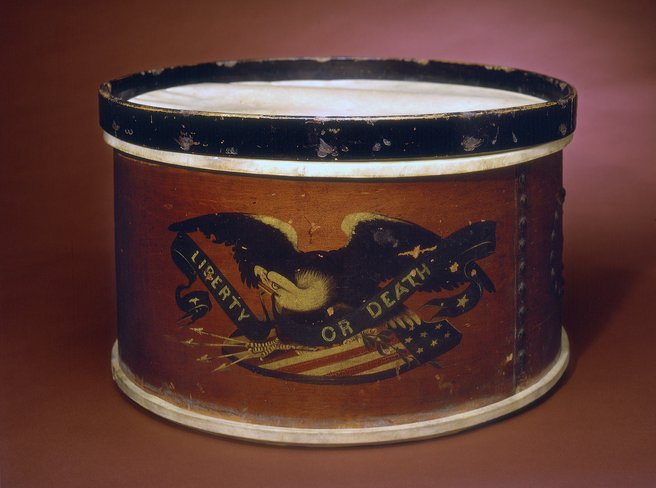
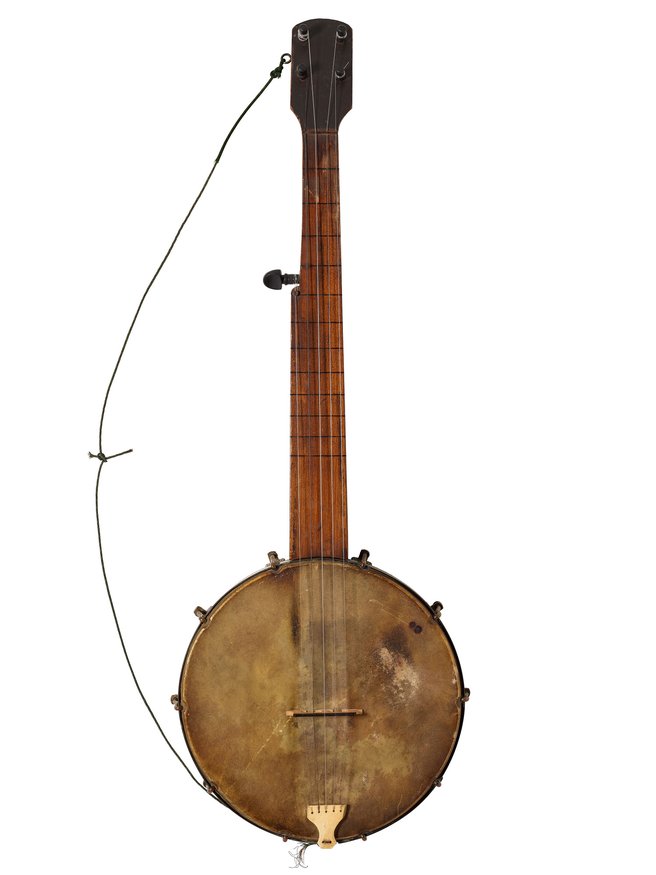
The National Museum of American History keeps about 16,000 musical instruments, one of the largest such collections anywhere, ranging from early keyboards and violins to band instruments and electronic keyboards. Alongside the instruments the museum holds a large body of audio and video recordings connected to music, including the archives of Smithsonian Folkways Recordings. These recorded materials matter for a music and television category because they preserve performance in sound and on film, the same forms in which most children now first meet music. Researchers and teachers can reach many of these items through online catalogs and digitized samples.
Smithsonian Folkways and music for children
Smithsonian Folkways Recordings is the nonprofit record label of the Smithsonian, based in its Center for Folklife and Cultural Heritage. In 1987 the institution acquired the catalog of Folkways Records, the independent label built by Moses Asch, and committed to keeping every title in that catalog available. The label carries a deep list of children's music. Ella Jenkins, often called the first lady of children's music, recorded for Folkways over many decades, and her call-and-response songs are used in preschools and early classrooms. Recordings by Woody Guthrie, Pete Seeger, and other artists in the catalog have long served the same young listeners. The label also publishes teaching notes with many albums, so a recording can double as a lesson.
Education, jazz, and public programs
The initiative points to a body of teaching material and live programming built around the collections. Much of it is free to use online, which lets a classroom far from Washington work with Smithsonian sources.
Jazz at the Smithsonian
Jazz has a defined program within the music holdings, centered again at the National Museum of American History. It brings together the museum's jazz collections and archives, the Smithsonian Jazz Masterworks Orchestra, and a set of exhibitions and lessons. Each April the institution marks Jazz Appreciation Month, a designation it created in 2002 to draw attention to the music and its history. For younger students the program offers graded material, including a set called Groovin' to Jazz that pairs original recordings with lesson plans written for children roughly between the ages of eight and fifteen. This mix of primary recordings and structured teaching is how the Smithsonian turns a research collection into something a schoolchild can use.
Beyond jazz, the Smithsonian runs public music programs that reach families directly. The annual Smithsonian Folklife Festival on the National Mall presents live traditional music and craft from communities in the United States and abroad, and it is free to attend. Museum concerts, listening sessions, and instrument demonstrations recur through the year across several buildings. The education pages tied to the initiative collect lesson plans, recorded performances, and background articles that a parent or teacher can pull together for a child, so the material works both inside the museums and at a distance through a screen. Some of the recorded performances and interviews are available as video, adding a moving-image dimension to a collection that began in sound.
The Smithsonian Institution is a trust instrumentality of the United States, founded in 1846 from a bequest by James Smithson and now made up of many museums, galleries, and research centers. Its headquarters and main visitor building, the Smithsonian Institution Building known as the Castle, stands at 1000 Jefferson Drive SW in Washington, District of Columbia, 20560, and the institution's general telephone line is +1 202-633-1000. Smithsonian Music itself is a program rather than a separate address, coordinated across the units that hold the collections. Through those collections, its record label of children's and folk music, and its jazz and folklife programs, the initiative gives the public a broad point of access to music, including a large share of the recorded music that reaches children.
Business address
Smithsonian Institution
1000 Jefferson Drive SW,
Washington,
District of Columbia
20560
United States
Contact details
Phone: +1 202-633-1000