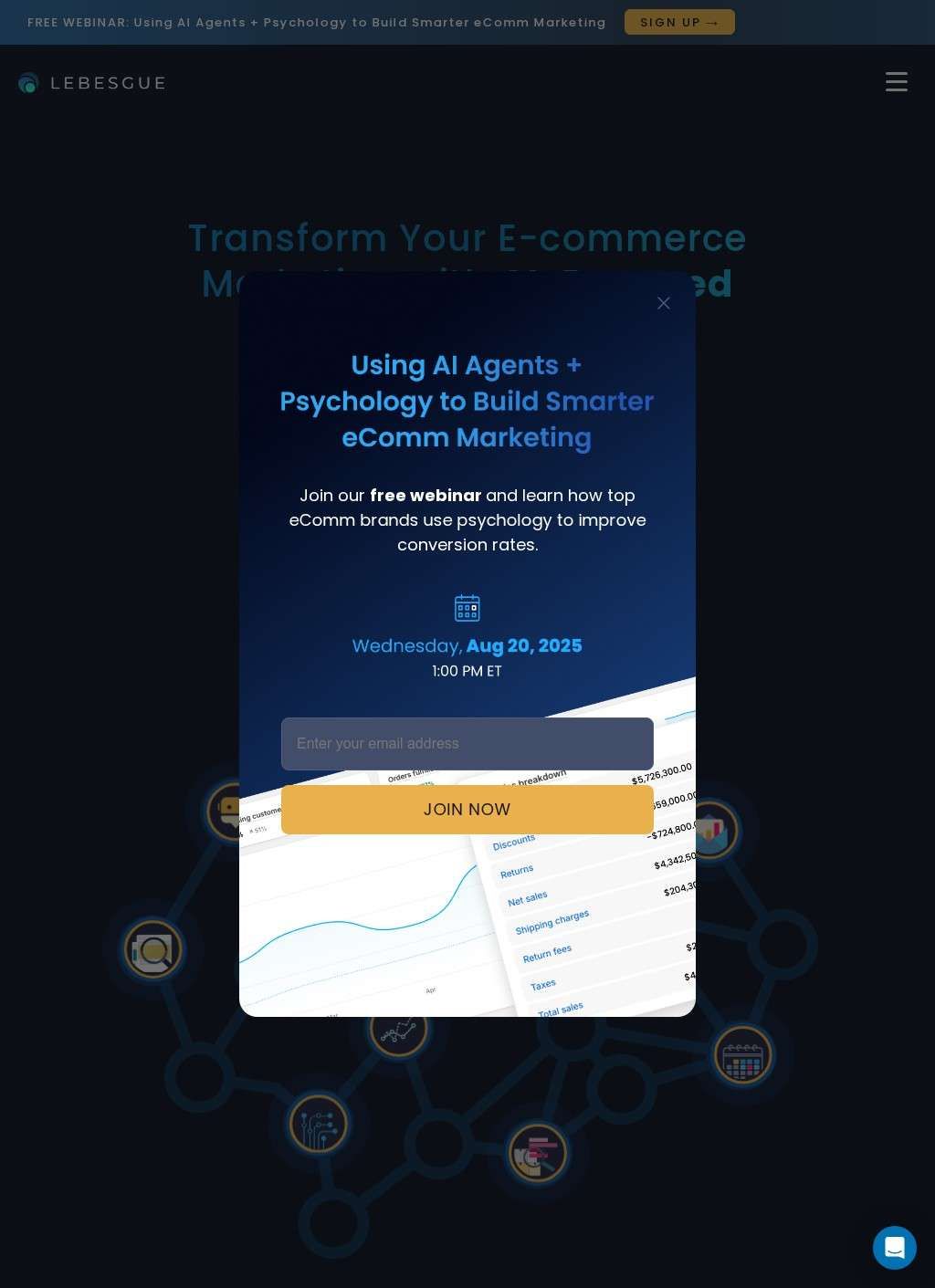
Marketing analytics for a Shopify store usually means five different tabs open at once. Lebesgue: AI CMO pitches itself as the fix: one app that reads attribution, lifetime value, product performance, creative results and ad spend across Google and Facebook, then hands back plain-language pointers on where the money is leaking. That framing puts Lebesgue: AI CMO head to head with Triple Whale, a comparison the product leans into openly, with the promise of a cheaper, less cluttered version of the same job.
For a store owner drowning in tabs, that is a real problem worth solving. Whether Lebesgue: AI CMO solves it well is a harder question, and the honest answer sits somewhere between the app's own claims and outright skepticism. What follows is what the evidence supports and what it does not.
Measurement and attribution tracking
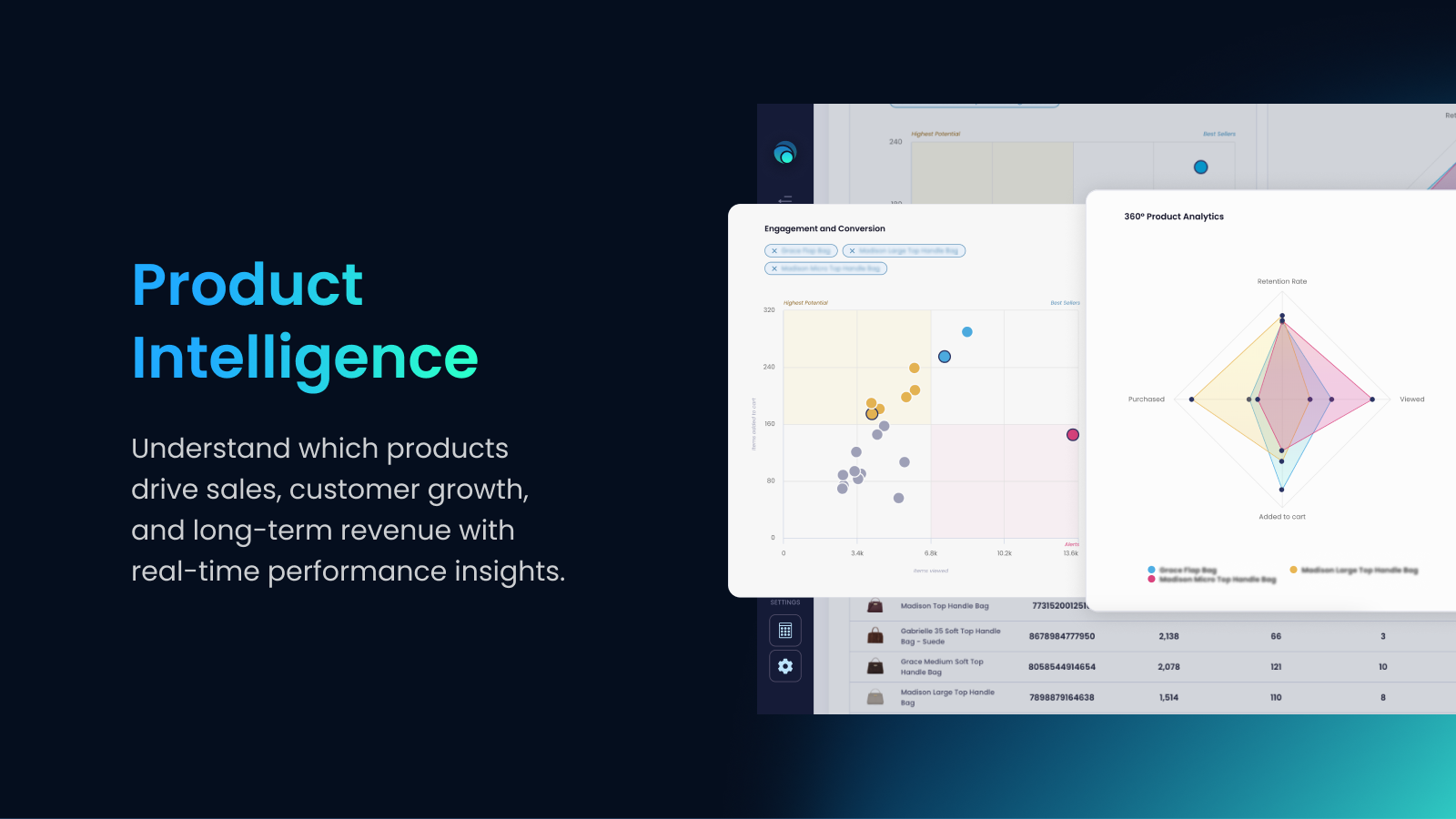
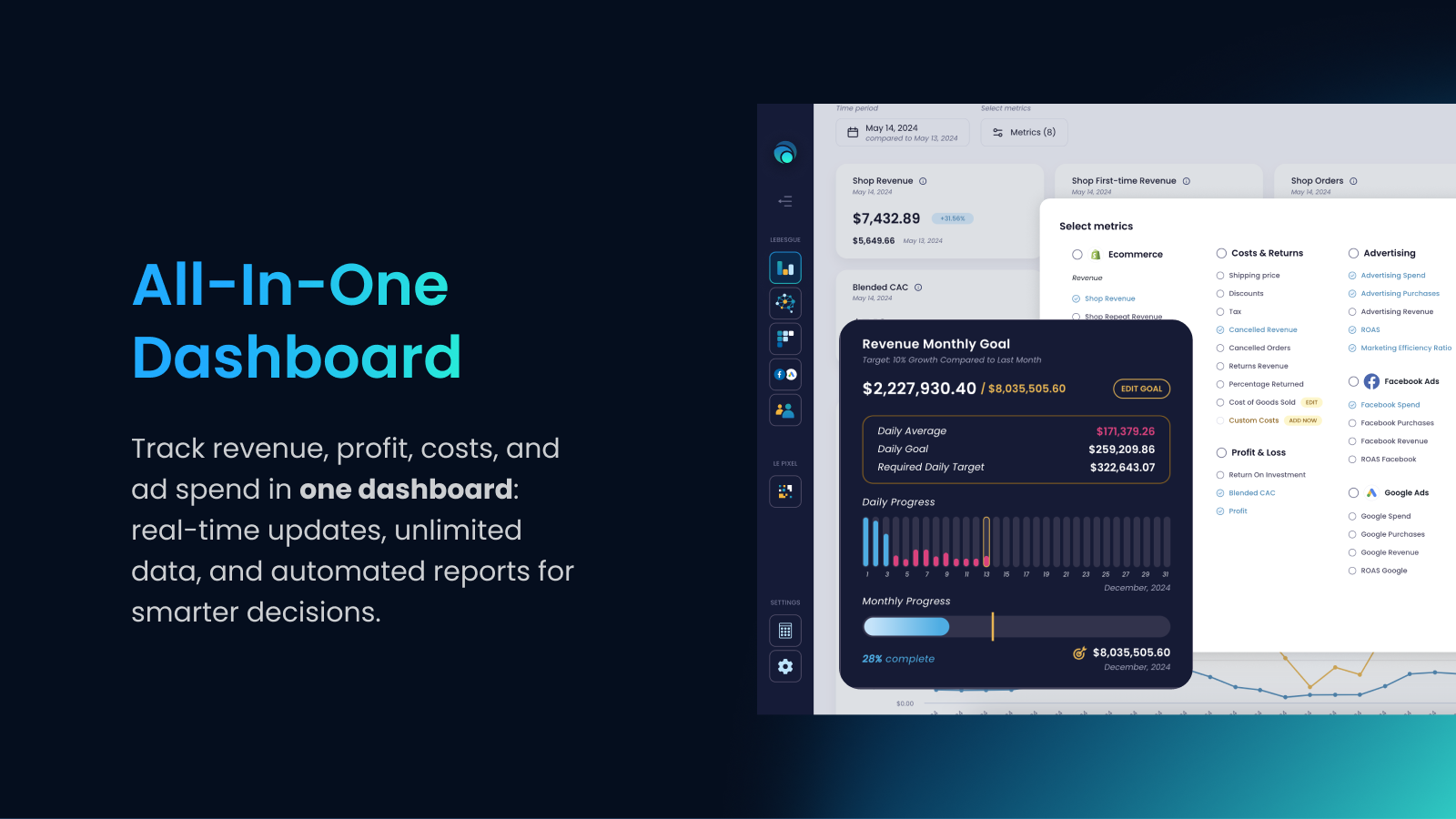
The core of the tool is measurement. Lebesgue: AI CMO tracks customer lifetime value over time, breaks down which products carry the profit, and watches how paid campaigns on Meta and Google actually perform once the vanity numbers are stripped out. Email behaviour analysis is in the mix too, so the picture is not limited to paid acquisition. A server-side pixel handles the data collection, which counts for more now that browser-based tracking keeps getting chipped away by privacy changes and ad blockers. That single technical choice tells you the product was built by people who have watched where e-commerce measurement has been heading.
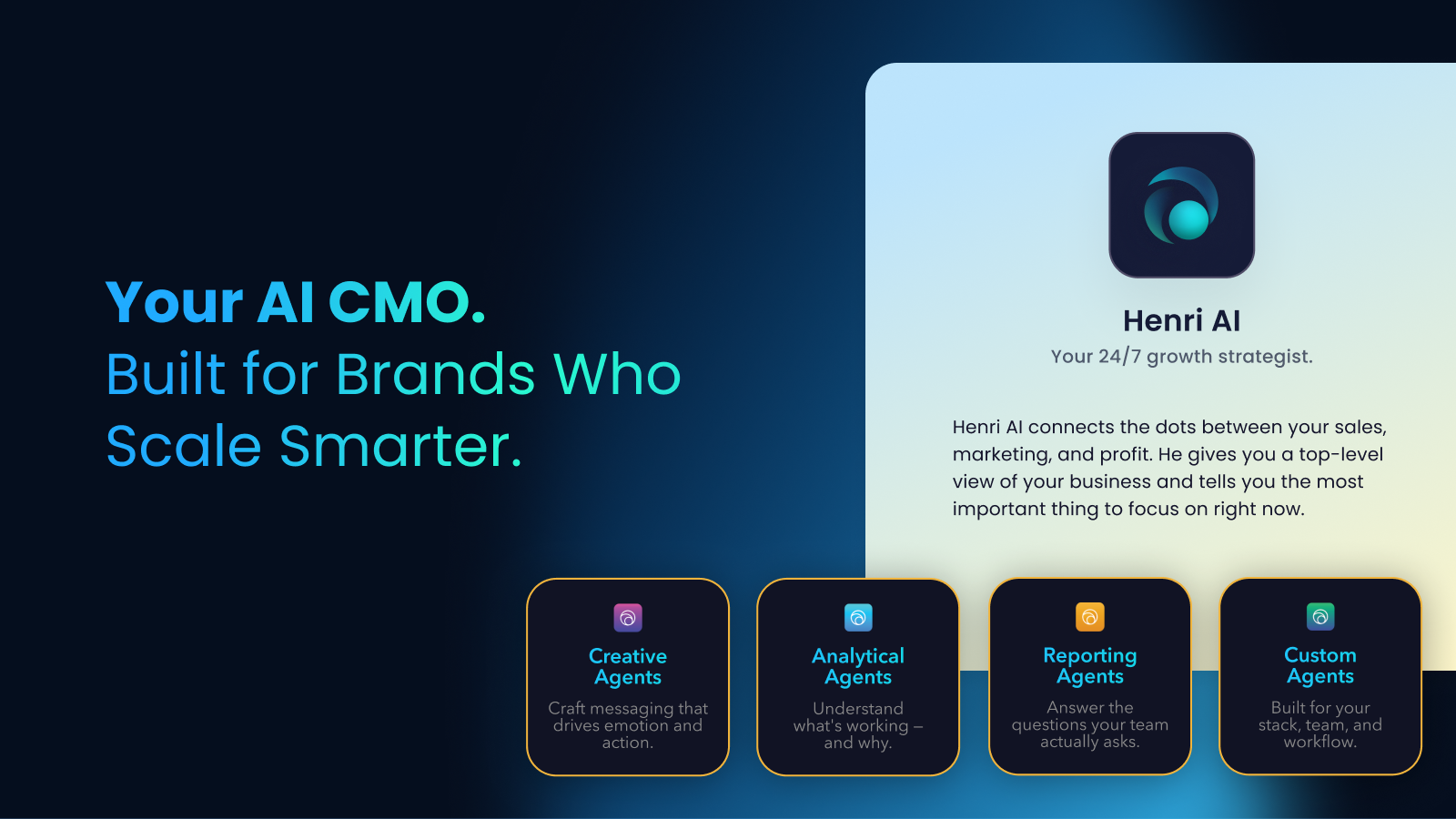
What separates this from a plain reporting app is the interpretation layer. Instead of dumping a chart and leaving the merchant to guess, Lebesgue: AI CMO tries to explain what the chart means and what to do next. That is the "AI CMO" conceit: a stand-in for the marketing chief a small DTC brand cannot afford to hire full time. It is a good hook, and the quality of that guidance is probably where individual users will either love the product or quietly ignore its advice. The brief does not allow a judgment on how sharp the recommendations really are, so none is offered here.
Competitor monitoring features
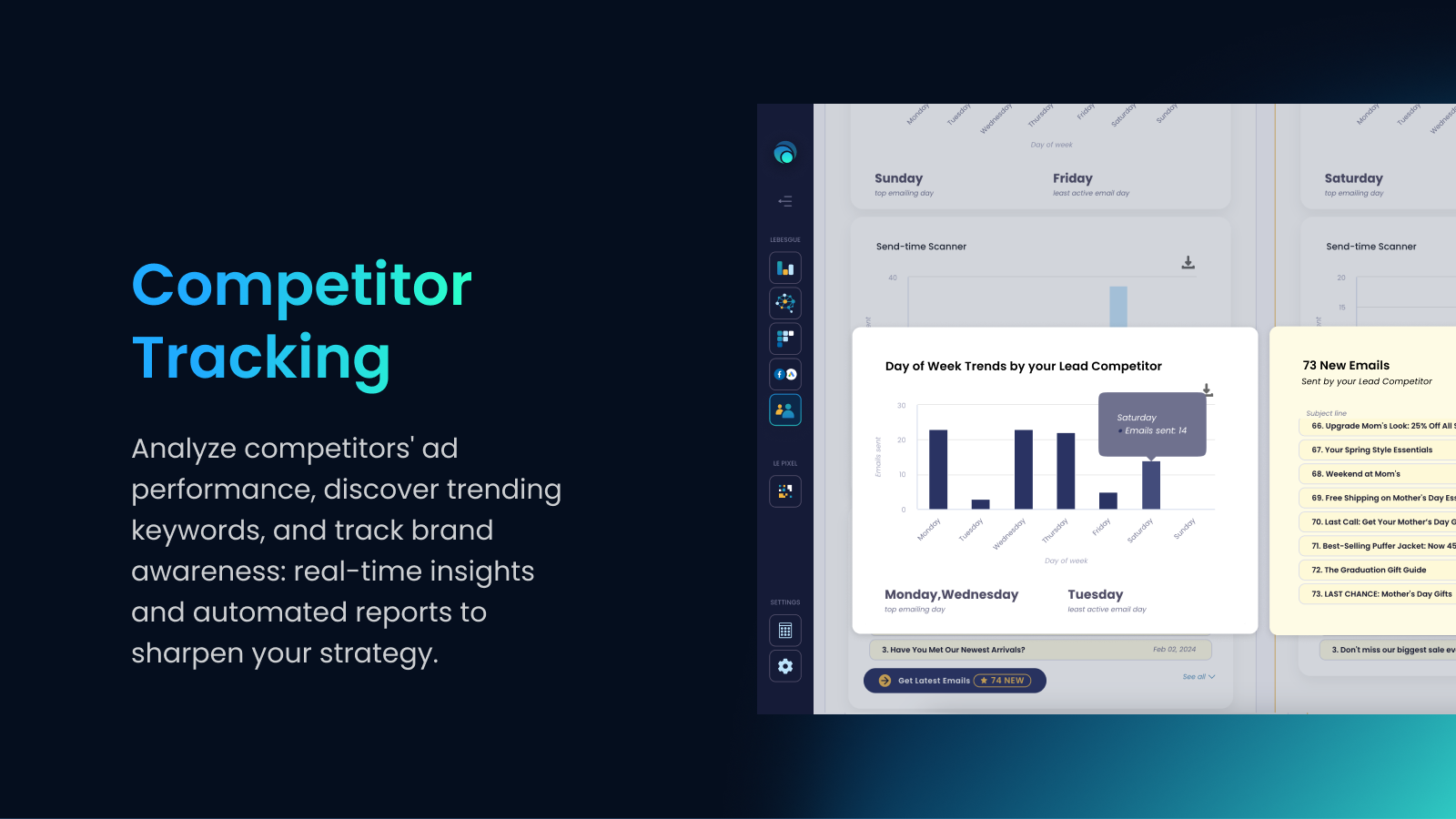
Competitor tracking is the feature people seem to talk about most. Lebesgue: AI CMO monitors what rival brands are doing with their marketing, giving smaller stores a window into activity they would otherwise never see. Benchmarking a store's own numbers against a category is one thing; watching what the shop beating it is spending on is another, and it is the kind of feature that gets a demo booked. Creative analytics sits alongside it, weighing in on which ads are pulling their weight and which are quietly burning budget. Put together, attribution, LTV, product and email behaviour, cross-channel ad performance and rival monitoring all report into one place, and that breadth is the whole argument for choosing Lebesgue: AI CMO over a patchwork of point tools.
Shopify app store ratings
Reputation is where Lebesgue: AI CMO looks genuinely strong, and it is the part worth trusting most because it comes from outside the company. The Shopify App Store listing, published there as "Lebesgue: AI Marketing & LTV," carries a large body of merchant reviews, and the tone in them repeats itself: clearer and cheaper than Triple Whale comes up again and again. One writeup from Shopifreaks cites a 4.9 rating across more than 150 reviews. A separate directory entry puts Lebesgue: AI CMO at 4.8 out of five across 122 reviews. The exact figure shifts depending on where it was pulled from, but both land in the same high band, and review volume at that scale does not happen by accident.
A word of caution on the Product Hunt trail. The listing there surfaces a related product called Otis sitting at 4.5 across eight reviews, which is a different thing from Lebesgue itself. Anyone doing their own homework should not confuse the two or mistake that small sample for the main product's score. The Shopify numbers say more about Lebesgue: AI CMO, and they say it loudly.
Beyond those, Lebesgue: AI CMO turns up on assorted third-party app-review directories such as Reputon and a handful of AI-tools indexes. That spread is normal for a Shopify app with traction; it means the product is indexed and discussed rather than hiding. Testimonials also appear on the site's own "Awards and reviews" section, and those deserve the usual discount that applies to any self-selected quote wall. The independent Shopify rating is the more honest measure, and it happens to point the same direction.
Contact information gaps
Two things hold back an unqualified thumbs up. The first is that little could be confirmed about how to reach the company directly. An attempt to load the site returned a server error, and the search snippets did not surface a clearly published phone number, postal address or contact page. For a Shopify app that is less alarming than it would be for a standalone service, since support usually runs through the app listing and in-product channels, and a merchant installs Lebesgue: AI CMO inside an ecosystem that already handles trust and billing. Still, anyone who prefers to see a plain contact route up front may find it harder to spot than expected.
Limitations of aggregate reviews
The second is that the strongest evidence in favour of Lebesgue: AI CMO is the crowd, not anything verified hands-on about the day-to-day experience. High ratings across a hundred-plus reviews mean something, but they are averages, and averages hide the stores for whom the recommendations missed the mark. Marketing analytics tools live or die on whether their attribution matches reality for a specific setup, and no aggregate score answers that question in advance. A brand with a messy tag setup or an unusual sales funnel can get very different results from the same app. The reviews place most merchants on the good side of that line, but "most" is not "all," and the only way to know which side a given store falls on is to run its own data through it.
Best fit for e-commerce stores
The likeliest happy customers are the ones the tool is built for: Shopify and other e-commerce operators, agencies running several client stores who want one consolidated readout, and DTC brands trying to squeeze more profit from ad budgets without hiring a full analytics team. A store already comparing options against Triple Whale would do well to put Lebesgue: AI CMO on the shortlist, and its price positioning is part of why. Outside e-commerce entirely, none of this applies, since the whole thing is welded to the Shopify data model and the metrics that model produces.
When to run a trial
The overall read on Lebesgue: AI CMO is cautiously positive. The feature set is coherent, the competitor-tracking angle is a real differentiator, and the review record on Shopify is hard to argue with. Set against that are a contact trail that could not be pinned down and a product experience taken largely on the strength of other people's ratings. The sensible move is to try Lebesgue: AI CMO inside the Shopify free trial and check whether its attribution lines up with what the store already knows about itself. The reputation is enough to justify that trial; only a merchant's own numbers can justify the subscription that follows.

Business address
Lebesgue Inc
Little Falls Drive 251,
Wilmington,
Delaware
19808
United States
Contact details
Phone: +385917330939