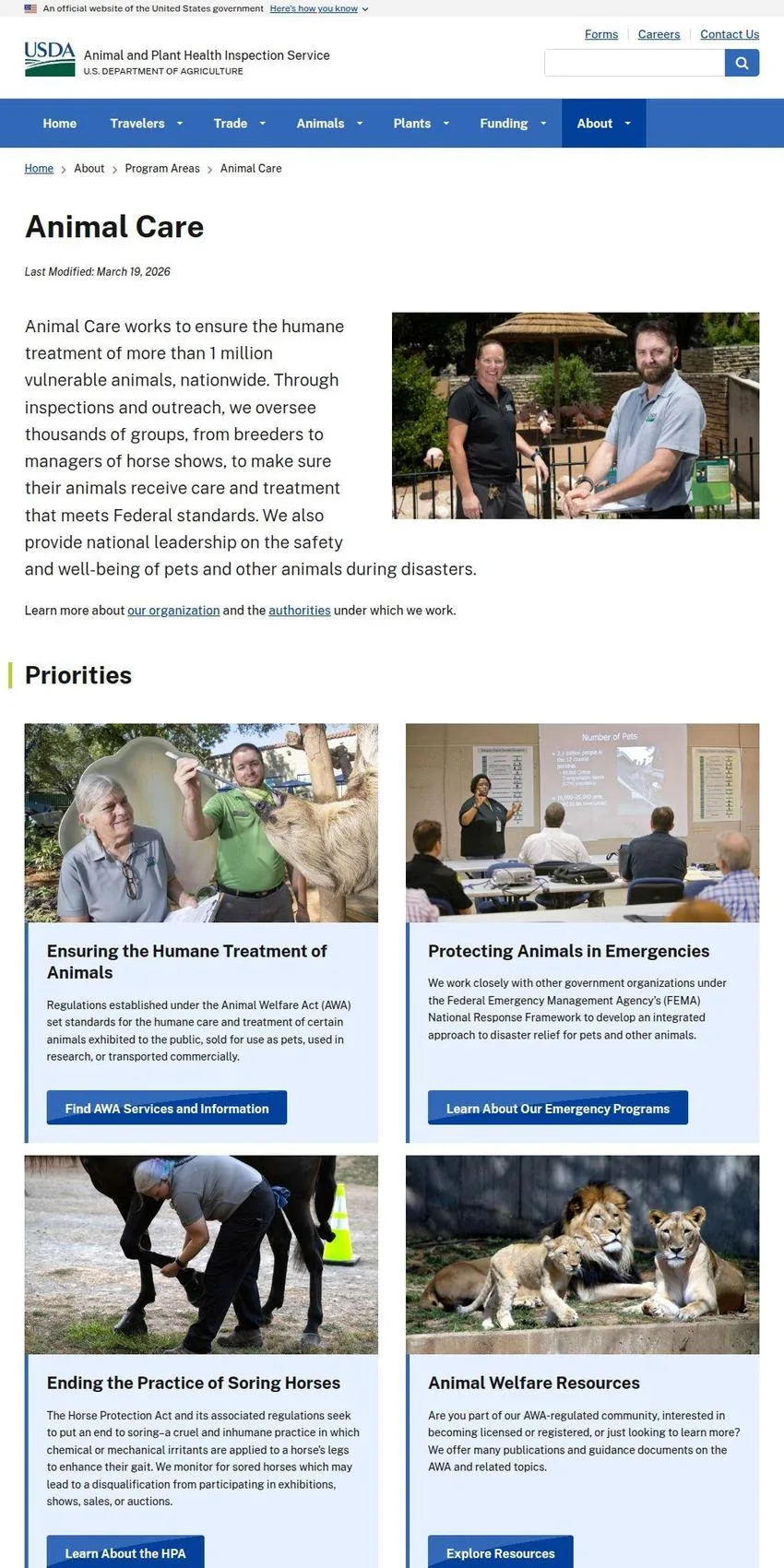
What Animal Care does
Animal Care is a program of the Animal and Plant Health Inspection Service, an agency within the United States Department of Agriculture. Its job is to carry out two federal laws that protect certain animals: the Animal Welfare Act and the Horse Protection Act. The Animal Welfare Act was signed into law on August 24, 1966, and it regulates how warm-blooded animals are handled, housed, and transported when they are used in research, shown to the public, moved by commercial carriers, or sold as pets through dealers.
The program sets the standards for humane care and then checks that regulated businesses meet them. It writes the rules on housing, feeding, sanitation, veterinary care, and handling, and it monitors compliance through inspection, enforcement, education, and cooperation with the people it regulates.
The law does not reach every animal. Cold-blooded species such as reptiles and fish fall outside it, as do farm animals raised for food or fiber, so the program's work centers on the warm-blooded species named in the regulations, including dogs, cats, primates, and many other mammals kept by dealers, exhibitors, and laboratories.
Protection for show horses
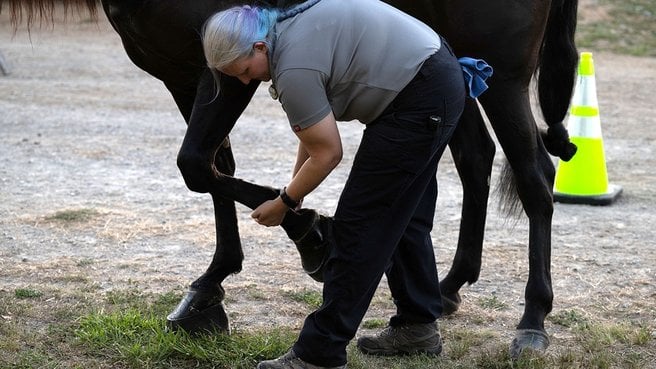
The second law the program enforces, the Horse Protection Act of 1970, targets a practice known as soring, in which a trainer deliberately causes pain to a horse's legs or hooves to produce an exaggerated high-stepping gait in the show ring. The law makes it illegal to show, sell, auction, exhibit, or transport a horse that has been sored. Program personnel attend horse shows and sales to examine animals, and violations can bring disqualification and federal penalties.
Licensing and registration
Businesses that fall under the Animal Welfare Act must obtain the correct federal credential before they operate. Animal dealers and exhibitors are required to hold a license. Research facilities, commercial carriers such as airlines, and intermediate handlers must instead register with the program. The category depends on what an operation does with animals, and Animal Care reviews each applicant before granting a license to confirm that the site can meet federal standards.
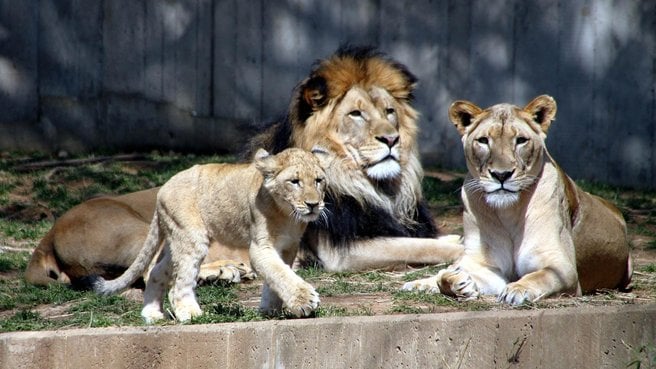
Licenses come in three classes. Class A covers breeders who sell animals born and raised on their own premises, Class B covers dealers and brokers who buy animals and resell them, and Class C covers exhibitors such as zoos, circuses, and marine mammal parks that show animals to the public.
These requirements cover a broad set of operations, from zoos and aquariums to breeders who sell to pet stores, and from university laboratories to traveling animal acts. Ordinary pet owners and small breeders below defined thresholds are generally not covered, while larger commercial operations are.
Inspections and enforcement
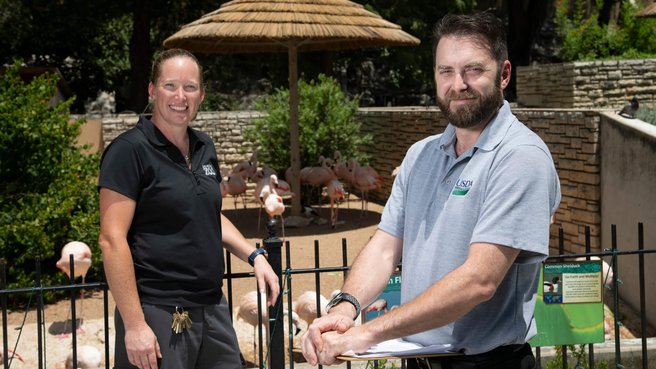
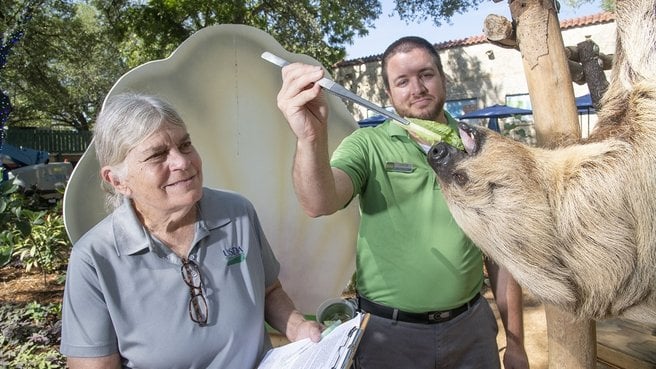
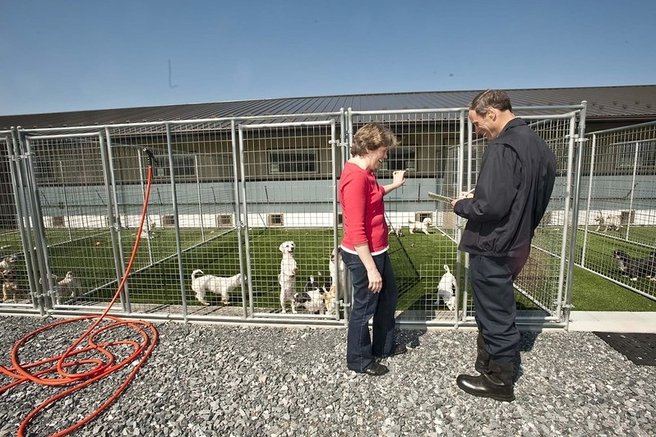
Inspection is the core of the program's daily work. Trained inspectors carry out unannounced visits to every licensed and registered site. There are pre-licensing inspections to confirm a new applicant is ready, routine compliance inspections to check that standards are still being met, and focused inspections that follow public complaints or reports of unlicensed activity. Research facilities that use regulated animals are inspected at least once a year.
During a routine inspection an official reviews the premises, the records, the husbandry practices, the program of veterinary care, and the way animals are handled. When a site falls short, Animal Care can require corrections and can pursue enforcement, up to financial penalties and the loss of a license. Inspection reports and enforcement records are made available to the public, and the agency operates an online search tool that lets anyone look up the status and history of a licensed or registered facility.
Standards, guidance, and emergencies
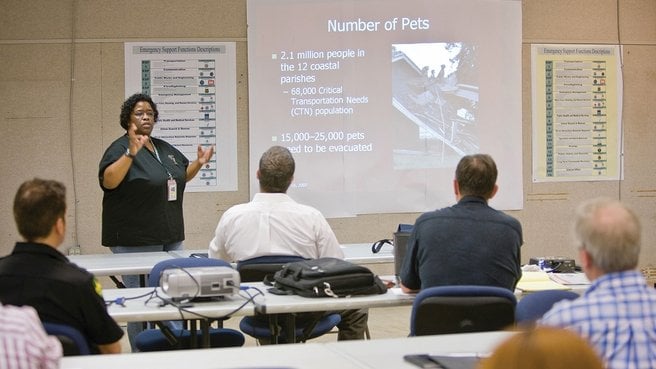
Alongside enforcement the program publishes guidance to help regulated businesses understand the rules. Resource material explains the standards, the licensing process, and the responsibilities that come with a license or registration. The program also addresses the care of animals during natural disasters and other emergencies, an area of growing concern for facilities that house large numbers of animals.
Animal Care works from two main offices, one in Riverdale, Maryland, which serves the eastern part of the country, and one in Fort Collins, Colorado, which serves the west. This structure lets inspectors cover sites in all states.
Relevance to pet owners and pet sitters
The program matters to anyone who works in pet services. A commercial boarding kennel, a large breeding operation, or a business that transports animals for sale may fall under the Animal Welfare Act, which means it must meet federal standards and can be inspected. Knowing which activities are regulated helps a sitter or small business understand where they stand and what is expected of the larger partners they may work with.
The public inspection records are also practical. A person choosing a breeder, a boarding facility, or a transporter can look up whether the business holds a federal license and how it has performed on past inspections. That information supports better decisions and gives owners a way to check claims about animal care against an official record.
Because Animal Care is a government program, its standards and records are public and carry the weight of federal law. For pet sitters, shelters, and owners, it provides a reference for what humane handling and housing look like, and a means to verify that regulated animal businesses are meeting the requirements set for them.
Business address
Animal and Plant Health Inspection Service, U.S. Department of Agriculture
4700 River Road, Unit 84,
Riverdale,
MD
20737-1234
United States
Contact details
Phone: 301-851-3751