Where the health information comes from
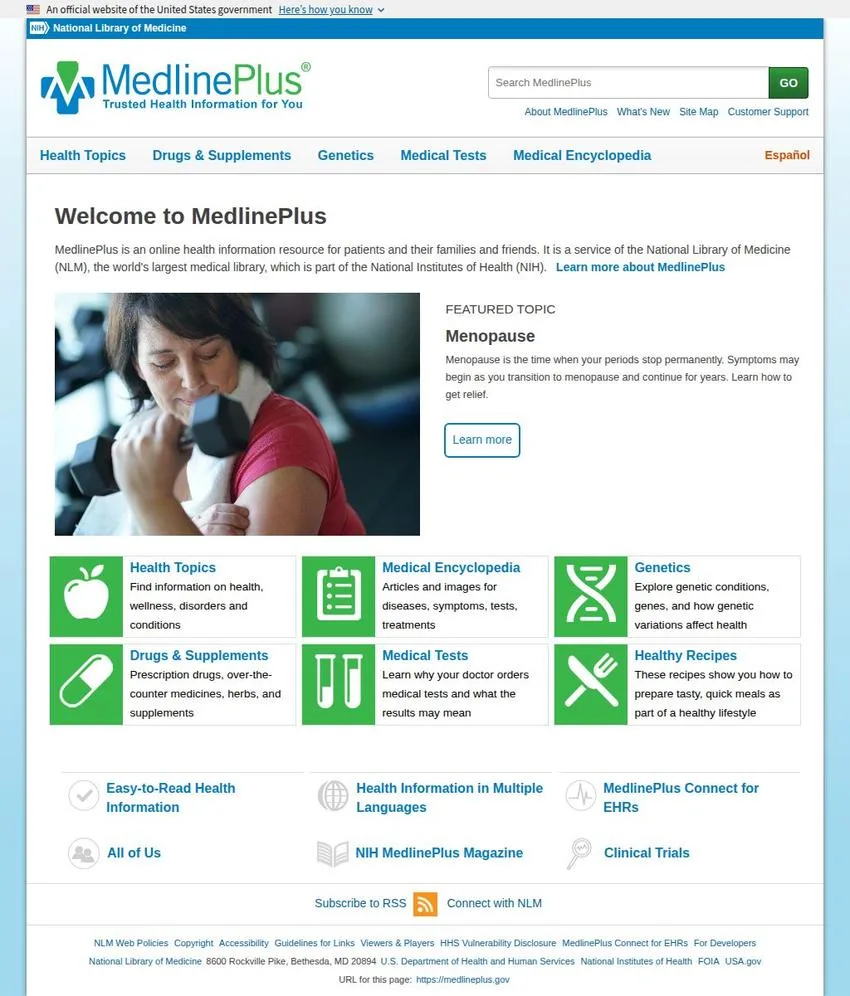
Ask someone at a public library health desk where a worried patient should read up on a new diagnosis, and MedlinePlus is usually the first answer. The site is the consumer health service of the U.S. National Library of Medicine, the medical library of the federal government, and it has been online since October 1998. It started with 22 health topics. It now covers close to 1,000, written in plain language and published in full in both English and Spanish, with links out to material in more than 40 other languages.
The job the site does is narrow and useful. It takes the research literature and clinical guidance that the National Library of Medicine already curates for doctors and turns it into pages a patient or a caregiver can actually read. Nothing on the site is sold, and it carries no advertising. The library pays for it, so the content does not answer to a sponsor. That independence is the reason clinicians and health educators are comfortable handing the address to people who are frightened and looking for straight answers.
What you can look up
The material is arranged the way people tend to ask questions, not the way a hospital is organized. A reader who types in a symptom, a drug name, or a diagnosis lands in one of a few main sections.
- Health topics: summaries of conditions, symptoms, prevention, and treatment, each one gathering links to trustworthy pages from the National Institutes of Health and other public agencies.
- Drugs, herbs, and supplements: dosage, side effects, and interactions for prescription and over-the-counter medicines, plus entries on herbal products and dietary supplements.
- Medical tests: what a lab test or screening measures, why a doctor orders it, and how to read the result.
- Genetics: plain descriptions of inherited conditions, genes, and chromosomes, written for families rather than researchers.
- A medical encyclopedia and interactive tools: articles and illustrated entries, anatomy videos, and step-by-step tutorials on procedures and self-care.
The medical encyclopedia and images
Much of the encyclopedic content comes from A.D.A.M., a licensed medical reference that supplies illustrated articles on diseases, injuries, surgeries, and symptoms. The drawings and short animations matter more than they might seem to. A caregiver trying to understand what happens during a heart catheterization often gets further with one clear diagram than with three paragraphs of text, and the library has leaned on that fact for years.
Genetics and rare conditions
In 2020 the library folded its separate Genetics Home Reference site into MedlinePlus, so the genetics pages now live alongside everything else. For a parent whose child has just been given the name of a rare disorder, these entries are often the only reading available that is both accurate and calm. They explain what a condition is, how it is inherited, and where to find patient support, without the alarm that a general web search tends to produce.
How the pages are kept trustworthy
A consumer health site is only as good as its sourcing, and this is where the library's habits show. MedlinePlus follows written selection guidelines: it favors government and established nonprofit sources, it dates its pages so a reader can see how current the information is, and it does not link to sites that exist mainly to sell a product. It names the agencies and organizations behind each topic instead of speaking in an anonymous institutional voice. When guidance changes, the topic pages are revised rather than left to drift. For a librarian, that predictability is the whole point. You can teach a patron to check the update date and the source list and trust what they find.
MedlinePlus Connect and how far it reaches
The site is not only a place people visit on their own. Through a service called MedlinePlus Connect, hospitals and clinics can wire their electronic health record systems to the library's content, so that a patient who logs in to a portal and sees a diagnosis or a prescription can click straight to a matching plain-language explanation. That quiet plumbing puts the same vetted information in front of people at the moment they are most likely to read it. The reach is large. In 2015 the National Library of Medicine reported that about 400 million people around the world used MedlinePlus, and the audience runs from patients and family members to nurses, teachers, and the reference staff who point others toward it.
For anyone who works in health literacy, the value is not that the site is comprehensive, because no site can answer every question. The value is that it models how to read medical information responsibly: check who wrote it, check when, and separate what is known from what is being sold. A person who learns to use MedlinePlus well tends to become a more careful reader of every other health source they meet.
Where it sits and how to reach it
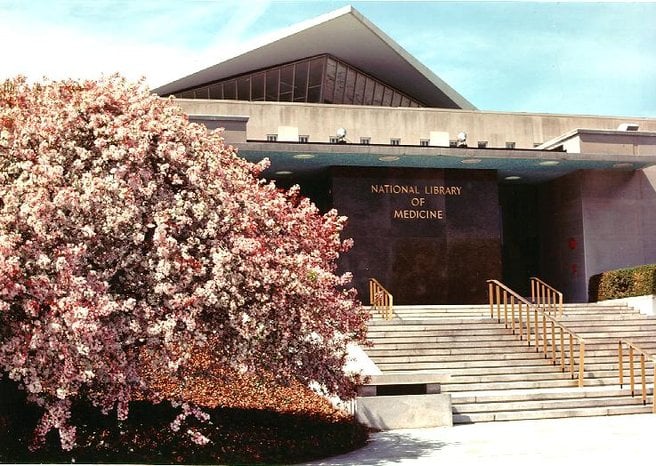
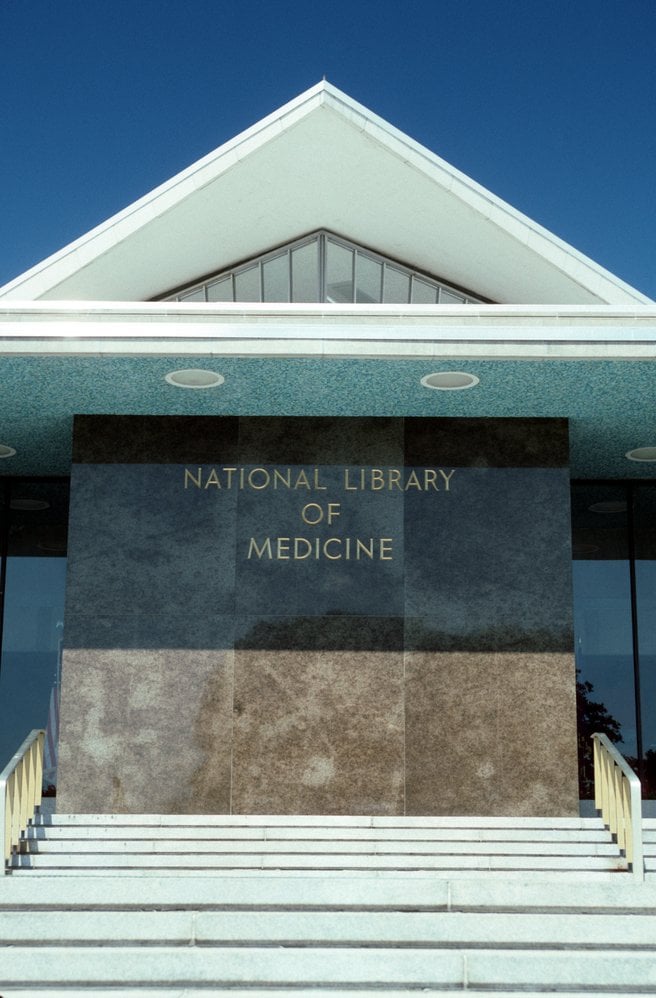
MedlinePlus is produced and maintained by the U.S. National Library of Medicine, which occupies Building 38 on the National Institutes of Health campus at 8600 Rockville Pike, Bethesda, Maryland 20894. The library answers public questions by telephone at +1 888-346-3656 within the United States, or +1 301-594-5983 from other countries. As an entry under medicine, it is close to a reference standard: a free, government-run place to begin, one that sends a reader toward evidence and toward the clinicians who can act on it, rather than toward opinion.




Business address
U.S. National Library of Medicine
8600 Rockville Pike,
Bethesda,
Maryland
20894
United States
Contact details
Phone: +1 888-346-3656