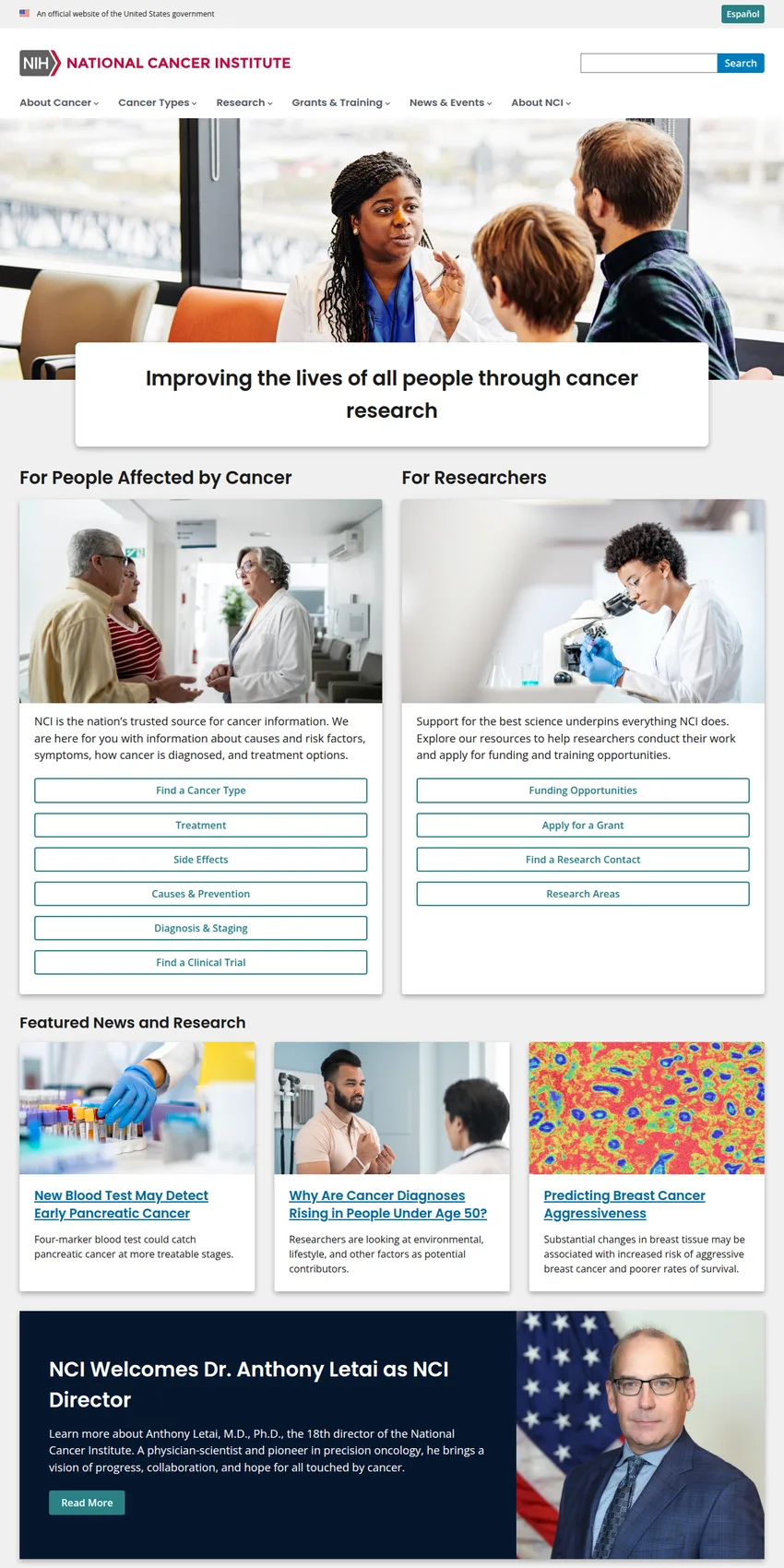
The federal government's lead agency for cancer research
Cancer research in the United States has a single federal hub, and this is it. The National Cancer Institute is the part of the National Institutes of Health charged with the study of cancer and with training the scientists who study it. It is the oldest of the institutes that make up the NIH and, measured by budget and staff, the largest. Congress funds it directly, and in recent years its annual appropriation has been close to seven billion dollars, most of which leaves the building as grants to researchers and hospitals around the country.
How it was created
The Institute dates to the National Cancer Institute Act, which President Franklin Roosevelt signed on August 5, 1937. Its modern shape came later, from the National Cancer Act of 1971, the law behind the phrase "war on cancer." That act gave the director a direct line to the President, set up advisory bodies to review the work, and created the program of designated cancer centers that still organizes clinical cancer care across the country. The Institute has operated without interruption since 1937, which makes it one of the longest-running biomedical research bodies in the federal government.
What it does day to day
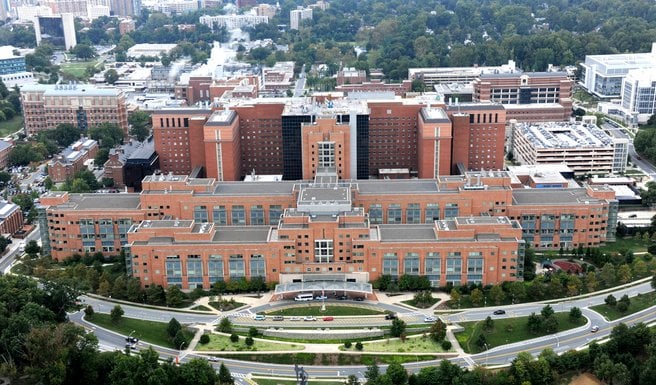
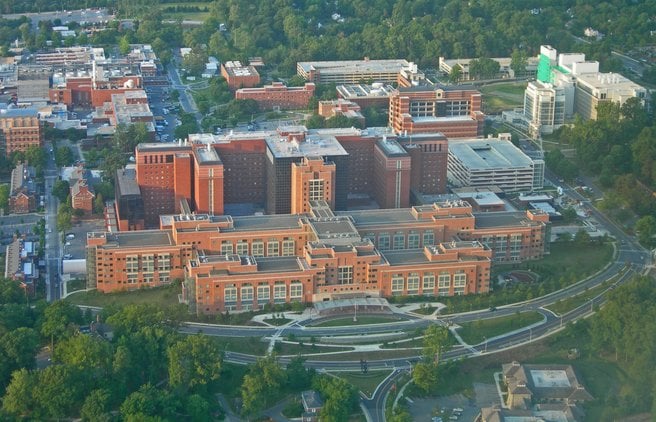
The work divides into two streams. The intramural program is research the Institute carries out itself, in its own laboratories and clinics, much of it on the NIH campus in Bethesda and at the Frederick site in Maryland. Scientists there study how tumors form, test new treatments in early clinical trials, and follow the biology of specific cancers. The extramural program is far larger in dollar terms. It awards competitive grants to universities, medical schools, and research hospitals, which is how most cancer research in the country is paid for. Training grants and fellowships run alongside the research money, because part of the Institute's job is to keep a supply of new cancer scientists coming.
Two long-running efforts show the range. The Surveillance, Epidemiology, and End Results program, usually shortened to SEER, collects cancer incidence and survival data from registries across the United States and publishes the statistics that clinicians and policymakers depend on. The Frederick National Laboratory for Cancer Research, a federally funded laboratory operated on the Institute's behalf, takes on large research problems that need dedicated facilities, from drug development to work on emerging infectious threats.
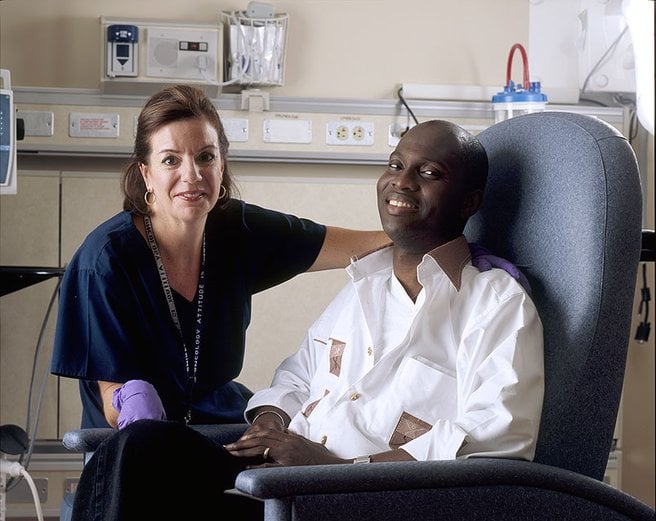
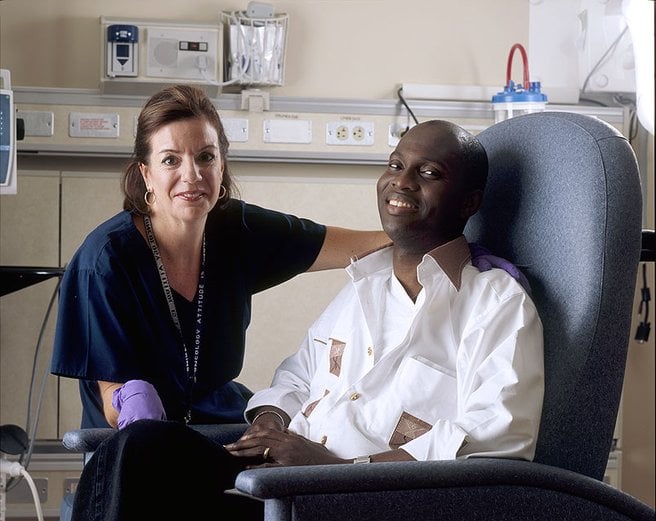
Patients who join one of the Institute's own studies are treated at the NIH Clinical Center in Bethesda, the research hospital at the center of the intramural program. Care there is tied to a specific trial, and eligible participants are not charged for the study treatment, which is one reason people travel to take part. The Institute organizes its work into divisions that map to the stages of the problem, from basic cancer biology and prevention through treatment and the delivery of care, so that findings from the laboratory have a route toward patients.
Designated cancer centers
The Institute reviews and designates cancer centers that meet its standards for research and care. There are dozens of them, spread across most states, and the designation tells a patient that a center runs active research alongside treatment. For someone weighing where to seek care, an NCI-designated center is a practical marker of depth, and the Institute keeps a public directory of them that anyone can search.
Resources for patients and the public
Alongside the science, the Institute runs some of the most used cancer information services in the world, and this is the part most people meet first. Its website, cancer.gov, publishes plain-language summaries of nearly every cancer type, covering prevention, screening, diagnosis, treatment options, and coping, each one reviewed by experts and updated as the evidence changes. A parallel set of summaries written for clinicians sits next to them. The site also hosts a searchable database of cancer clinical trials, which patients and their doctors use to find studies that are open to new participants.
If you would rather talk to a person, the Cancer Information Service answers questions by phone at 1-800-4-CANCER. Trained information specialists can help in English and Spanish, explain a diagnosis in ordinary language, and point to local resources. The same help is available by online chat and by email. The service does not give medical advice or replace a doctor, but it is a calm, informed place to start when a diagnosis is new and the questions are many.
Where it is and how to reach it
The Institute's administrative headquarters is on the Shady Grove campus at 9609 Medical Center Drive, Rockville, Maryland 20850, with its intramural laboratories on the NIH campus in nearby Bethesda and at Frederick. The public information line, staffed on weekdays, is +1 800-422-6237, the number spelled out as 1-800-4-CANCER, and the full library of cancer information is online at cancer.gov. As the federal government's principal cancer research agency and its largest source of reviewed cancer information, it belongs in the medicine section of this directory as a primary reference for patients, caregivers, and clinicians.


Business address
National Cancer Institute, National Institutes of Health
9609 Medical Center Drive,
Rockville,
Maryland
20850
United States
Contact details
Phone: +1 800-422-6237