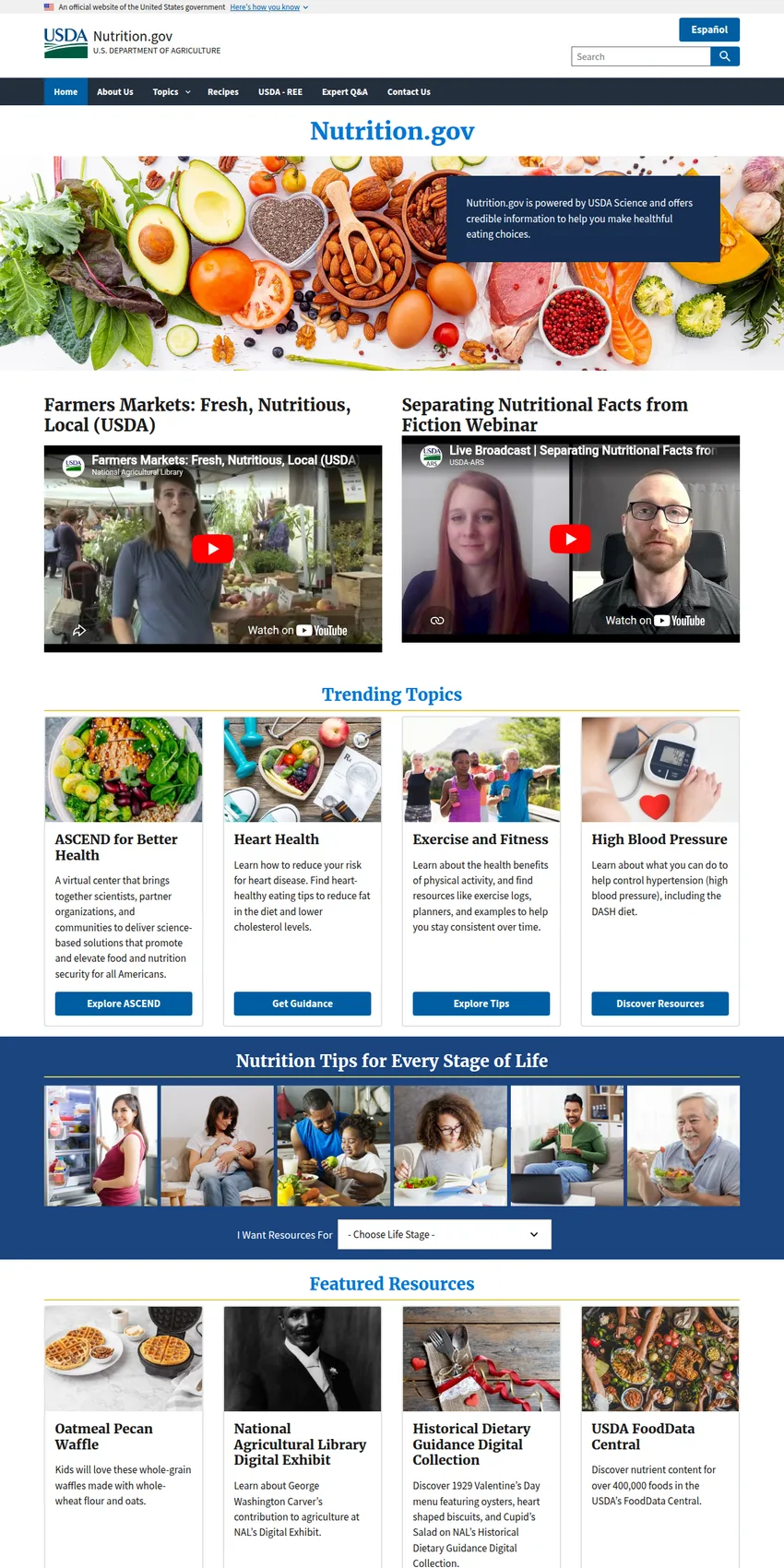
Nutrition guidance without the sales pitch
Type a nutrition question into a search engine and you get thousands of answers, a good share of them selling something. Nutrition.gov exists to give a plainer starting point. It is a federal website that collects vetted, science-based information about eating well, physical activity, and food safety, then points readers to the primary sources behind it instead of to opinion or advertising. There is no store attached, no membership, and nothing to buy.
The site is run by the Food and Nutrition Information Center, a unit of the National Agricultural Library at the U.S. Department of Agriculture. That center has been answering nutrition questions since 1971, at first for the staff of school meal programs and, after a 1977 law widened its remit, for the general public as well. Nutrition.gov itself went live in 2004 as part of a federal effort against rising obesity, and it has been kept current since by librarians and nutrition specialists who read the underlying research so that visitors do not have to.
How the information is organized
The material is sorted the way a dietitian tends to think about a client: by who you are and what you are trying to do. One set of pages covers nutrition across life stages, from infant feeding and school-age children through pregnancy and older adulthood. Another covers eating with a health condition such as diabetes, high blood pressure, or a food allergy. There are sections on weight and healthy living, on eating for sport and exercise, on vegetarian and plant-based meals, and on the practical end of things: shopping on a budget, meal planning, cooking, and storing food safely.
Two areas that people often overlook get their own space. One is food security and access, which connects readers to the federal nutrition assistance programs run by USDA's Food and Nutrition Service, among them SNAP, WIC, and the National School Lunch Program, along with tools for finding food help nearby. The other is dietary supplements, where the pages lean on the Office of Dietary Supplements at the National Institutes of Health rather than on manufacturer claims. Shorter sections handle water and hydration, how to read a Nutrition Facts label, and printable handouts, a number of them offered in Spanish as well as English.
Tools you can use the same day
Not everything here is reading. The site gathers interactive tools that turn guidance into something you can act on. A body mass index calculator, a personalized MyPlate plan, printable handouts and shopping lists, and a searchable set of recipes all sit within a click or two. An expert question-and-answer section lets people submit specific questions and read replies from registered dietitians. For anyone who wants to know what is really in a food, the site links to FoodData Central, the USDA database that lists the nutrient content of thousands of items down to the gram.
Why the source matters
The value here is editorial discipline. Every topic has to trace back to a federal science source: the Dietary Guidelines for Americans, MyPlate from USDA, the nutrient databases kept by the Agricultural Research Service, MedlinePlus from the National Library of Medicine, the Office of Dietary Supplements at the National Institutes of Health, and food-labeling guidance from the Food and Drug Administration. Nutrition.gov does not usually publish original studies. It reads across those official resources and organizes them into plain-language pages, which is precisely what makes it worth pointing people toward. One of its standing sections is given over to spotting nutrition misinformation and fraud, a fair sign that the people running it know what they are up against online.
Because the audience is ordinary consumers rather than clinicians, the writing follows health-literacy principles: short sentences and common words, with a clear next step at the end of a page. Teachers, parents, coaches, and people managing a new diagnosis can all use it without a background in the science. That combination of careful sourcing and everyday language is the reason it belongs in a directory heading for diet and nutrition, where the hard part for most readers is telling reliable guidance apart from marketing.
What it does not do
It helps to know the limits. Nutrition.gov gives general information, not personal medical advice, and it says so plainly. It will not diagnose a condition or replace a visit with a doctor or a registered dietitian. What it does is give you a dependable place to read up before or after that conversation, along with a set of links you can trust to be current.
Who runs it and how to reach them
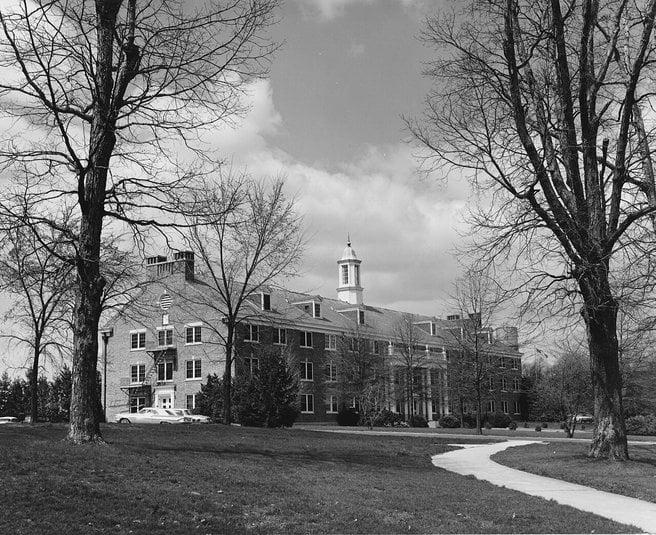
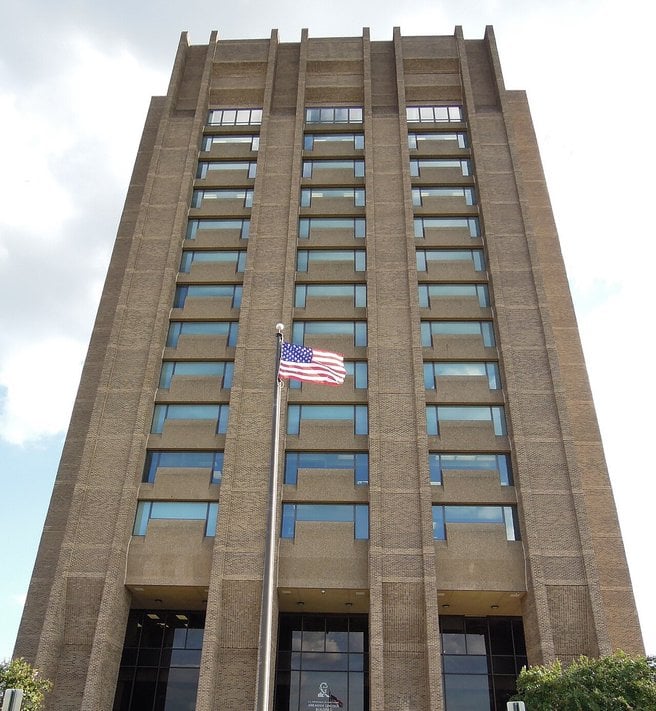
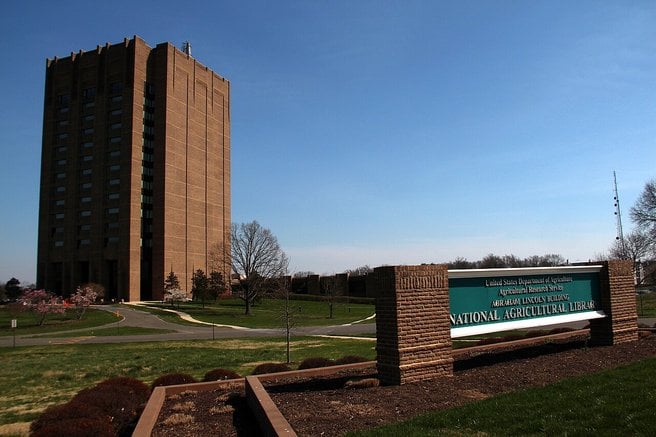
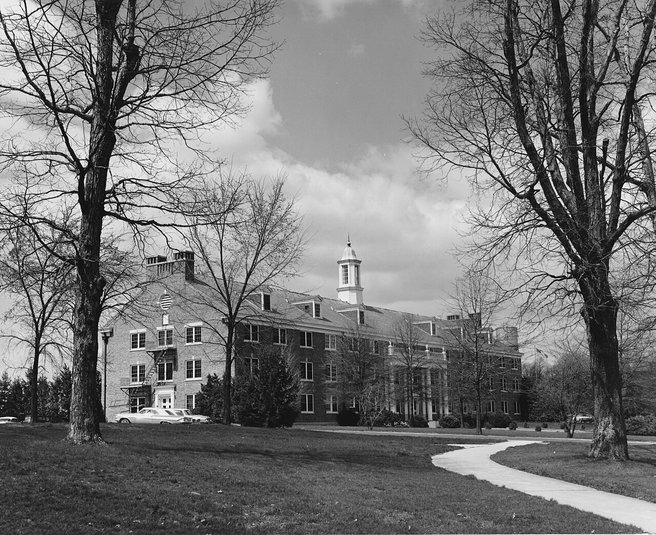
Nutrition.gov is maintained by the Food and Nutrition Information Center at the National Agricultural Library, which sits in the Abraham Lincoln Building at 10301 Baltimore Avenue, Beltsville, Maryland 20705. The library takes public questions by phone at (301) 504-5755 and through an online Ask a Question service, and it is one of the five national libraries of the United States. For a reader who wants nutrition guidance that is free and traceable to federal science, that address and that number are where the site behind the guidance is kept.
Business address
Food and Nutrition Information Center, USDA National Agricultural Library
10301 Baltimore Avenue,
Beltsville,
Maryland
20705
United States
Contact details
Phone: +1 301-504-5755