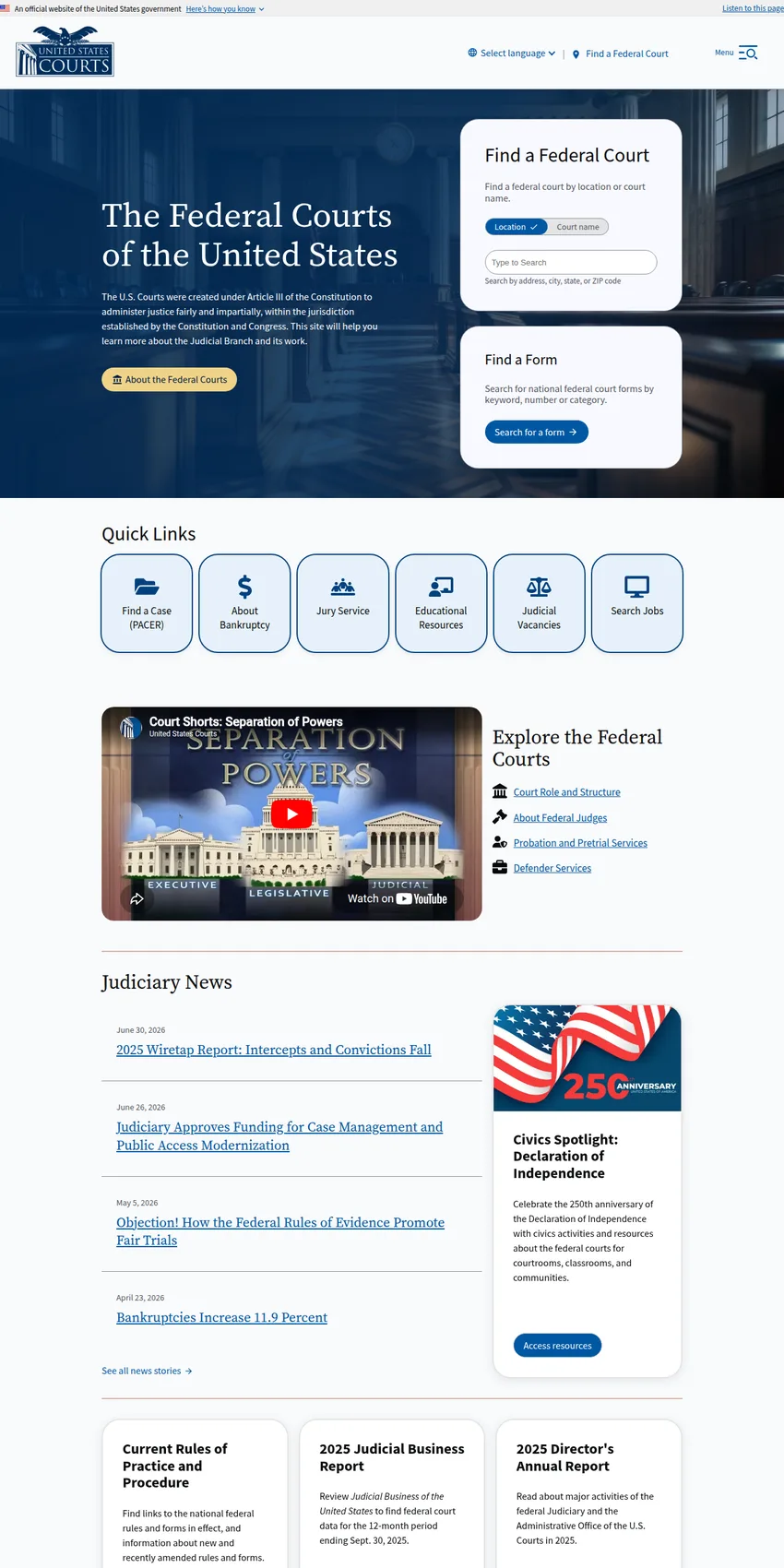
One website, a whole branch of government
"The federal courts" means an entire branch of the United States government, not only the nine justices most students can name. The site at uscourts.gov is the public front door to that branch. It is published by the Administrative Office of the United States Courts, the agency Congress created in 1939 to handle the budgets, staffing, technology, and record-keeping that keep the courts running. A useful way to picture it: the Administrative Office is the judiciary's operations desk, kept separate on purpose from the judges who actually decide cases.
How the federal judiciary is built
The system is arranged in tiers, and it is easier to understand from the bottom up rather than the top down, because that is the path most cases follow. A dispute starts in one court, and only a fraction of cases climb to the next level.
Trial courts
The 94 federal district courts are where cases begin. Every state has at least one district, and the more populous states are split into several. These are the trial courts of the federal system. They hold the trials, hear the witnesses, and are the place where a single judge, and often a jury, first decides the facts. Attached to each district is a bankruptcy court, a separate unit that handles bankruptcy filings under federal law. Two national trial courts, the Court of International Trade and the Court of Federal Claims, take specialized subjects such as customs disputes and certain money claims against the government.
Courts of appeals
Above the district courts sit 13 courts of appeals. Twelve of them cover geographic regions called circuits, numbered First through Eleventh, plus the District of Columbia Circuit. The thirteenth, the Federal Circuit, hears particular kinds of cases such as patents and claims against the government no matter where in the country they arise. A party that loses in a district court can ask the court of appeals to review the decision. Panels of three judges usually hear these appeals, and their job is to check whether the law was applied correctly, not to retry the facts.
The Supreme Court
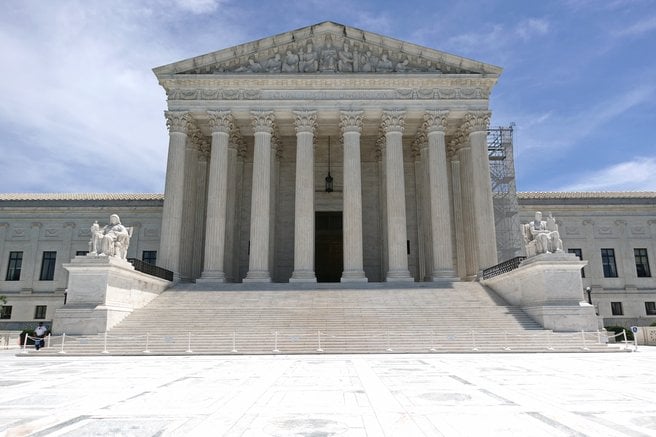
At the top is the Supreme Court of the United States, made up of the Chief Justice and eight associate justices. It controls most of its own docket, agreeing to hear only a small share of the thousands of petitions filed each year. It tends to take cases that raise important questions of federal law or that settle a disagreement among the circuits, and once it rules, that decision binds every other court in the country.
What the Administrative Office and the website provide
Judges decide cases, but someone has to pay the clerks, run the payroll, buy and maintain the computers, and report to Congress on how the courts are doing. That is the work of the Administrative Office. It reports to the Judicial Conference of the United States, the policy-making body of the federal courts, which the Chief Justice chairs. The Judicial Conference sets administrative policy for the branch, and the Administrative Office puts that policy into practice across the district and appellate courts nationwide.
For the public, the website gathers a good deal of that work in one place. It explains how the courts operate, publishes the rules of procedure and official forms, posts caseload statistics, and lists the many federal courthouses. It is also the gateway to two electronic systems the courts run. CM/ECF is the case management and electronic filing system that courts and attorneys use to file and track documents. PACER lets the public search and read filings from federal cases for a modest per-page fee. A separate section written for teachers and students offers plain-language material on juries, the Constitution, and how a case moves through the system, which is often where a civics lesson starts.
- Supreme Court of the United States, the single national court of last resort
- 13 courts of appeals: 12 regional circuits plus the Federal Circuit
- 94 district (trial) courts, each paired with a bankruptcy court
- Specialized national courts for international trade and federal claims
Where it belongs, and how to reach it
In a directory of law resources, uscourts.gov is a reference point rather than a law firm or a paid service. It is the authoritative, government-run source for how the federal court system is put together and how to locate a particular court or case, which is why researchers, students, reporters, and people representing themselves all lean on it.
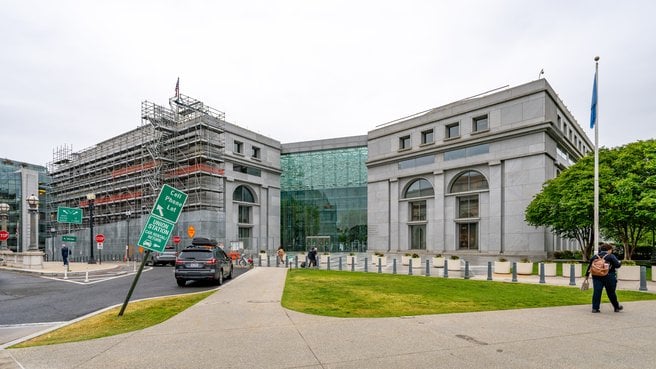
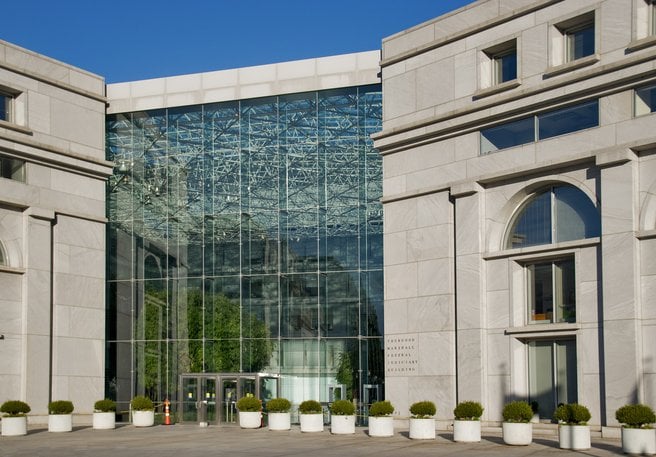
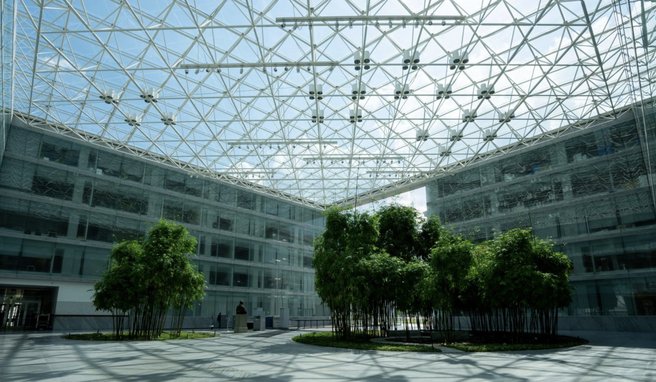
The Administrative Office of the United States Courts works out of the Thurgood Marshall Federal Judiciary Building at One Columbus Circle NE, Washington, D.C. 20544, near Union Station. Its main telephone number is +1 202-502-2600. Questions about a specific case, though, belong with the individual court that is handling it, and each district and appellate court publishes its own address and clerk's office contact through the same website.
Business address
Administrative Office of the United States Courts
One Columbus Circle NE,
Washington,
District of Columbia
20544
United States
Contact details
Phone: +1 202-502-2600