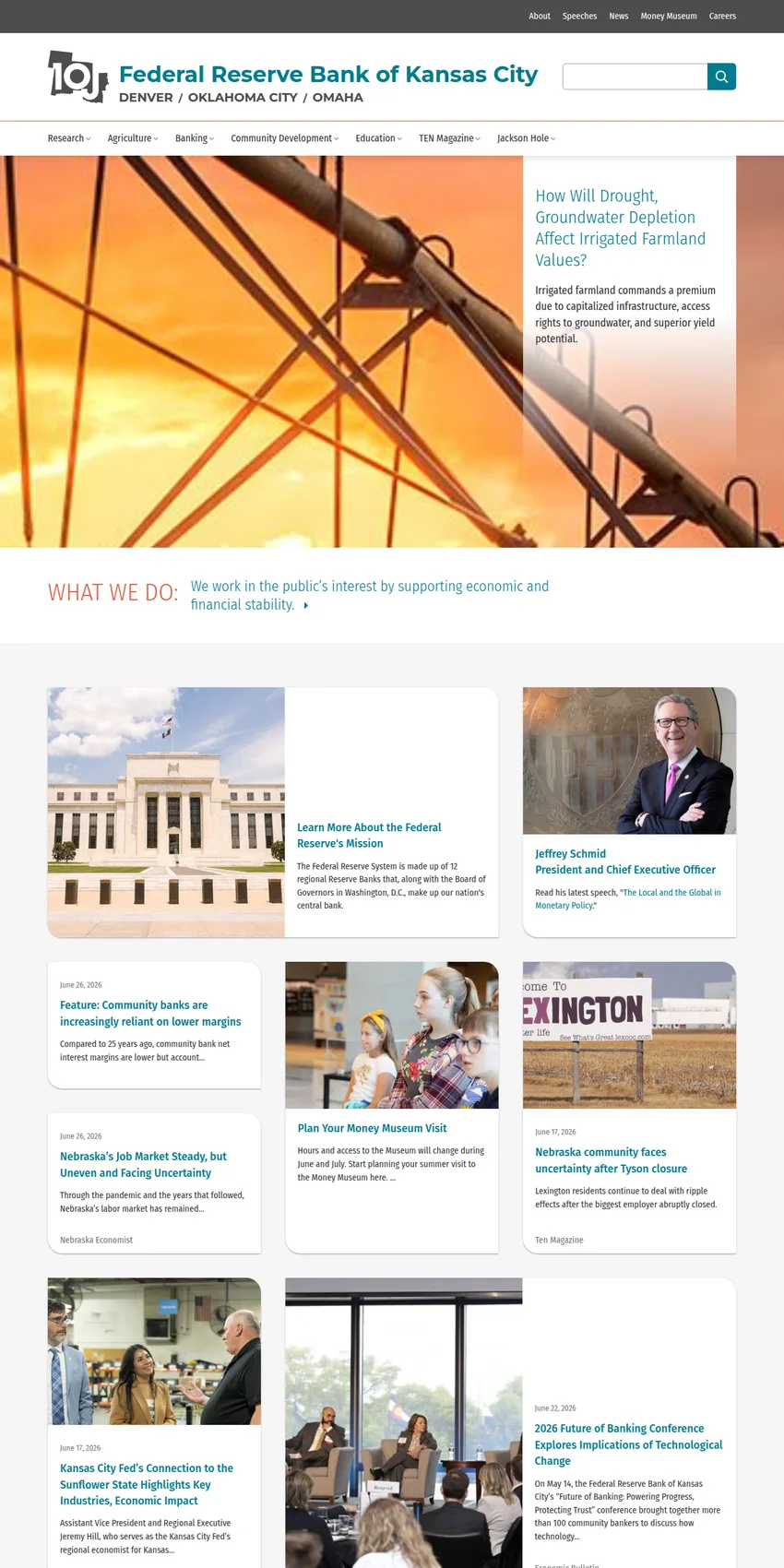
One of the twelve regional Reserve Banks
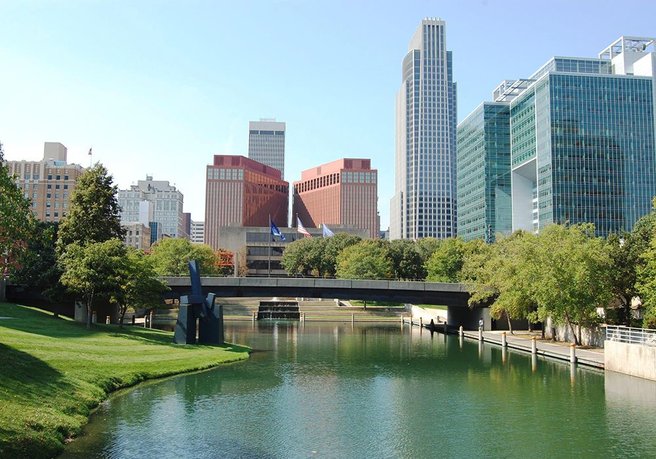
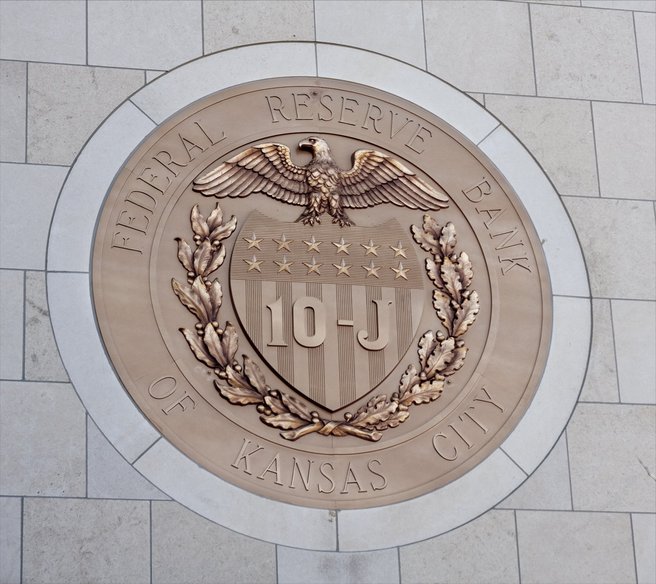
The Federal Reserve Bank of Kansas City is one of the twelve regional banks that make up the Federal Reserve System, the central bank of the United States. It opened in 1914, the year the system began operating, and it serves the Tenth Federal Reserve District, a territory that covers Colorado, Kansas, Nebraska, Oklahoma, Wyoming, the western part of Missouri, and the northern part of New Mexico. Branch offices in Denver, Oklahoma City, and Omaha extend that reach across the plains and mountain states. The bank supervises member banks in the district, distributes currency and coin, holds accounts for depository institutions, and takes part in national monetary policy through its president's rotating seat on the Federal Open Market Committee. Its research on how people and businesses pay, and on what those payments cost merchants, is the thread that connects it to the pricing of card acceptance and the practice of discounting for cash.
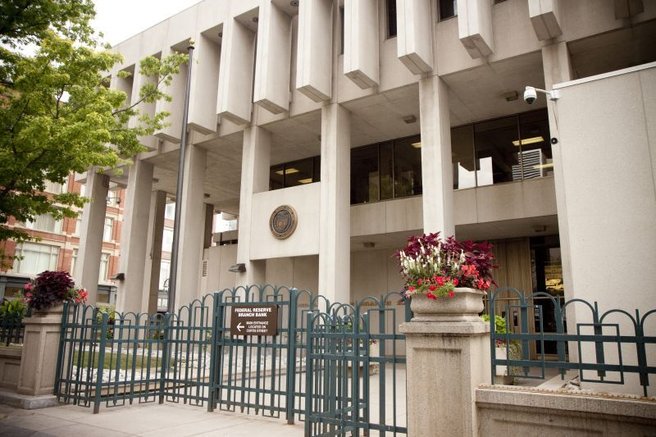
Since 2008 the bank has worked from a building at 1 Memorial Drive in Kansas City, Missouri, on a rise near the National World War I Museum and Union Station. It moved there from an older headquarters at 925 Grand Boulevard, and the new site was dedicated in June of that year. The main telephone line is +1 816-881-2000.
Research on payments and their cost
The bank keeps an economic research department with a group devoted to the payment system, and that work is the main reason it belongs in a listing about cash discounting. Payments economists at the bank study how interchange fees are set, what it costs a store to accept a credit or debit card, why merchants keep taking cards even when acceptance is expensive, and how rules on surcharging and cash discounts change the way people choose to pay. The output takes the form of briefings, working papers, and articles in the bank's Economic Review, most of them free to read.
Fumiko Hayashi, a longtime economist at the bank, has written a large share of this material. Her studies reach across the debit and credit card industry, the regulation of interchange fees and network rules, consumer payment choice, prepaid and mobile payments, and newer questions about instant payments and central bank digital currency. One recurring subject is the puzzle of why merchants continue to accept cards whose fees cut into their margins, a question tied directly to whether a store might instead post a lower price for cash. Another is the effect of discounts and surcharges on how buyers pay, the exact behavior a cash discount is meant to steer. Work by Hayashi and colleagues such as Terri Bradford has traced how interchange fees developed in the United States and in other countries, giving readers a way to compare the American card market with systems abroad.
Tracking interchange rules across countries
The bank maintains a public resource that follows the regulation of credit and debit card interchange fees and merchant surcharging over time, covering more than forty countries. It records where governments have capped interchange, where they have banned or allowed surcharges, and where card networks have changed their rules under pressure from regulators or courts. For a merchant or a policy reader trying to understand why card fees differ from one place to another, or why surcharging is permitted in some markets and blocked in others, the compilation gathers scattered rules into one reference. A cash discount and a card surcharge are two sides of the same pricing decision, so the same body of research speaks to both.
The Jackson Hole symposium
Each August the bank hosts an economic policy symposium that has drawn central bankers, finance ministers, and academics since 1978. It has been held at Jackson Hole, Wyoming, since 1982, and its proceedings, published by the bank, have become a fixture in the calendar of monetary policy. The meeting ranges widely across economics, and it sits alongside the payments work as evidence of a research program that reaches past the day-to-day running of a Reserve Bank.
Cash operations and public education
Handling physical money is one of the bank's core duties, and it ties the institution to the cash side of the cash-versus-card question. The bank receives currency and coin from banks in the district, checks it for wear and for counterfeits, and returns fit notes to circulation while destroying worn ones. This role gives it a close view of how much cash is still used, and its economists have written on cash demand and on who relies on cash, including households without bank accounts for whom a cash price matters most.
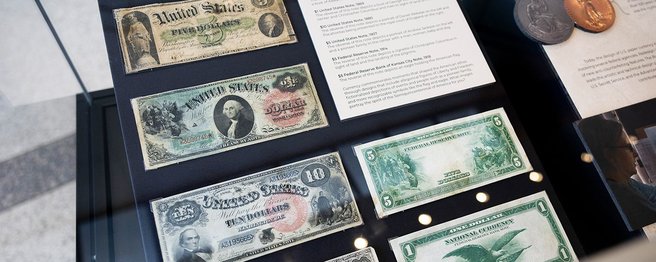
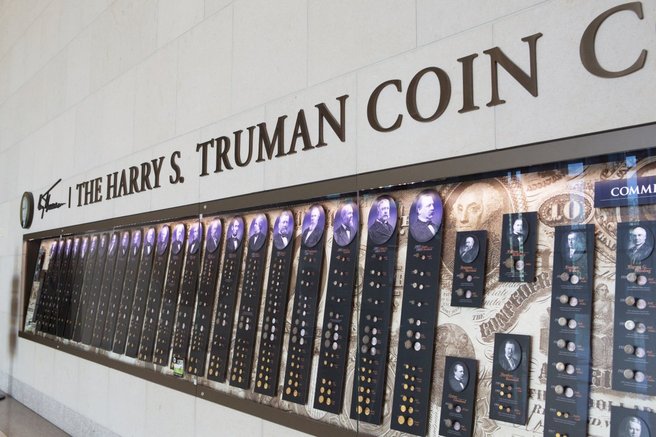
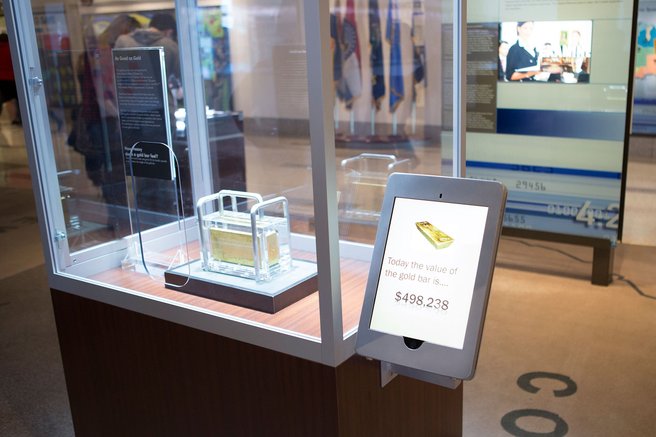
The building also houses a free public exhibit, the Money Museum, which shows the history of money, the work of the Federal Reserve, and a collection of coins and notes, among them a set gathered by former President Harry Truman. School groups and visitors can watch a cash-handling operation through viewing windows and learn how currency moves through the banking system. The bank publishes teaching materials on money and banking for classrooms across the district, adding an education layer to its research and operations. Taken together, the payments research, the interchange and surcharge compilation, and the cash operations make the Federal Reserve Bank of Kansas City a source worth consulting on the costs that sit behind a merchant's decision to reward customers who pay with cash. The bank can be reached at 1 Memorial Drive, Kansas City, Missouri 64198, and by telephone at +1 816-881-2000.
Business address
Federal Reserve Bank of Kansas City
1 Memorial Drive,
Kansas City,
Missouri
64198
United States
Contact details
Phone: +1 816-881-2000