What the blue label on your appliance actually means
If you have shopped for a refrigerator, a water heater, or a laptop in the last thirty years, you have seen the small blue mark that reads ENERGY STAR. It is a certification run by the U.S. Environmental Protection Agency, and the short version is this: a product carrying that mark uses measurably less energy than a standard model doing the same job, without asking you to give up performance. For a household, that difference shows up on the monthly utility bill. For a business running hundreds of machines, it shows up on the balance sheet.
The program began in 1992, when the EPA introduced the label on computers and monitors that could power down when left idle. It was voluntary then and it still is. Manufacturers choose to meet the efficiency levels the EPA sets, and in return they can put the mark on qualifying models. The Department of Energy works alongside the EPA on testing and specifications for several product categories, so the two agencies share the technical side of the work.
How a product earns the mark
The rules behind the label are not a marketing exercise. For each product type the EPA writes a specification that spells out how efficient a model has to be and exactly how it will be measured. A qualifying dishwasher, for example, has to stay under a set limit on both electricity and water use per cycle. Since 2011 the process has been tighter: models are tested in EPA-recognized laboratories, and independent certification bodies confirm the results before the label goes on. That change followed earlier years when the program leaned more on manufacturer self-reporting, which a 2010 government review found too easy to game.
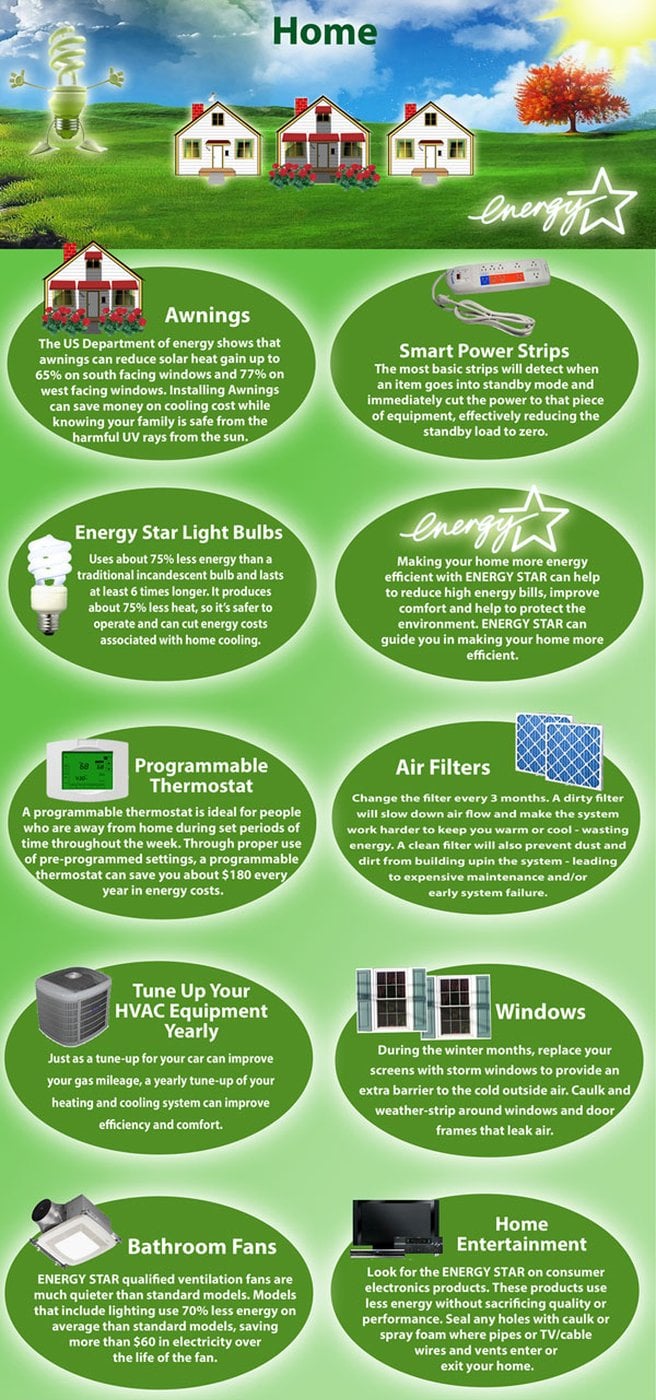
Today the mark covers more than 75 categories. A rough sense of the range helps:
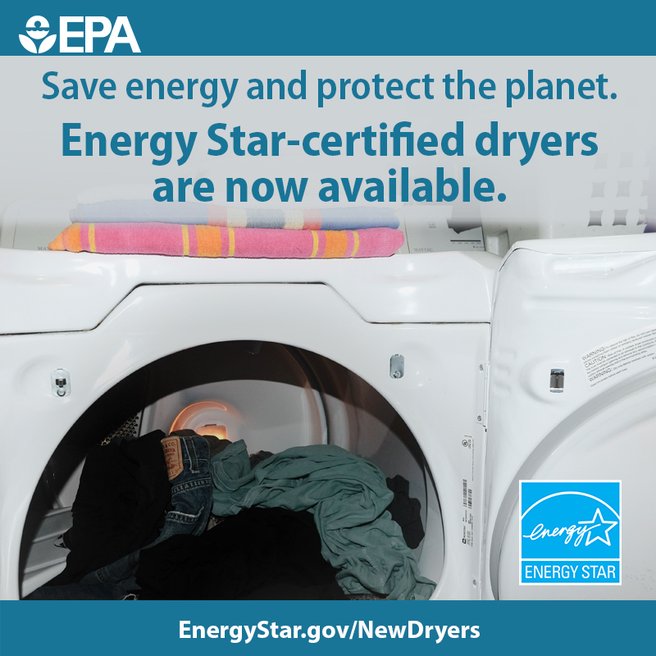
- Kitchen and laundry appliances: refrigerators, dishwashers, clothes washers and dryers.
- Heating and cooling equipment: furnaces, central air conditioners, heat pumps, and smart thermostats.
- Water heaters, including heat pump models that can cut water-heating costs sharply.
- Electronics and office gear: televisions, computers, monitors, and printers.
- Building products such as windows, insulation, and roofing.
There is also an ENERGY STAR Most Efficient designation, refreshed each year, which flags the small group of models at the very top of their class for buyers who want the lowest running cost on the market.
What it saves
The numbers behind the label are the reason it matters. The EPA reports that since 1992 the program has helped American families and businesses avoid more than 5 trillion kilowatt-hours of electricity use and over 500 billion dollars in energy costs, while cutting roughly 4 billion metric tons of greenhouse gas emissions. On the household scale that translates into real money. Swapping an old refrigerator or clothes dryer for a certified one trims a noticeable share off the appliance's yearly running cost, and that saving repeats every year the unit stays in service.
Beyond the shopping aisle: homes and buildings
The product label is the part most people know, but the program reaches further than the store. New houses can be built and certified to the ENERGY STAR standard, which sets requirements for insulation, air sealing, windows, and equipment so the finished home uses less energy than one built to code alone. Close to 1.9 million such homes have been built across the United States.
For commercial and industrial buildings, the EPA runs a free tool called Portfolio Manager. Owners and property managers use it to track the energy and water use of their buildings and to compare that performance against similar properties nationwide. A building that scores well can earn ENERGY STAR certification of its own, which is why you will see the mark on office towers, schools, hospitals, and supermarkets. A large share of U.S. commercial floor space is now benchmarked through the tool, and many city and state energy-reporting laws are built on top of it.
Tools a homeowner can use today
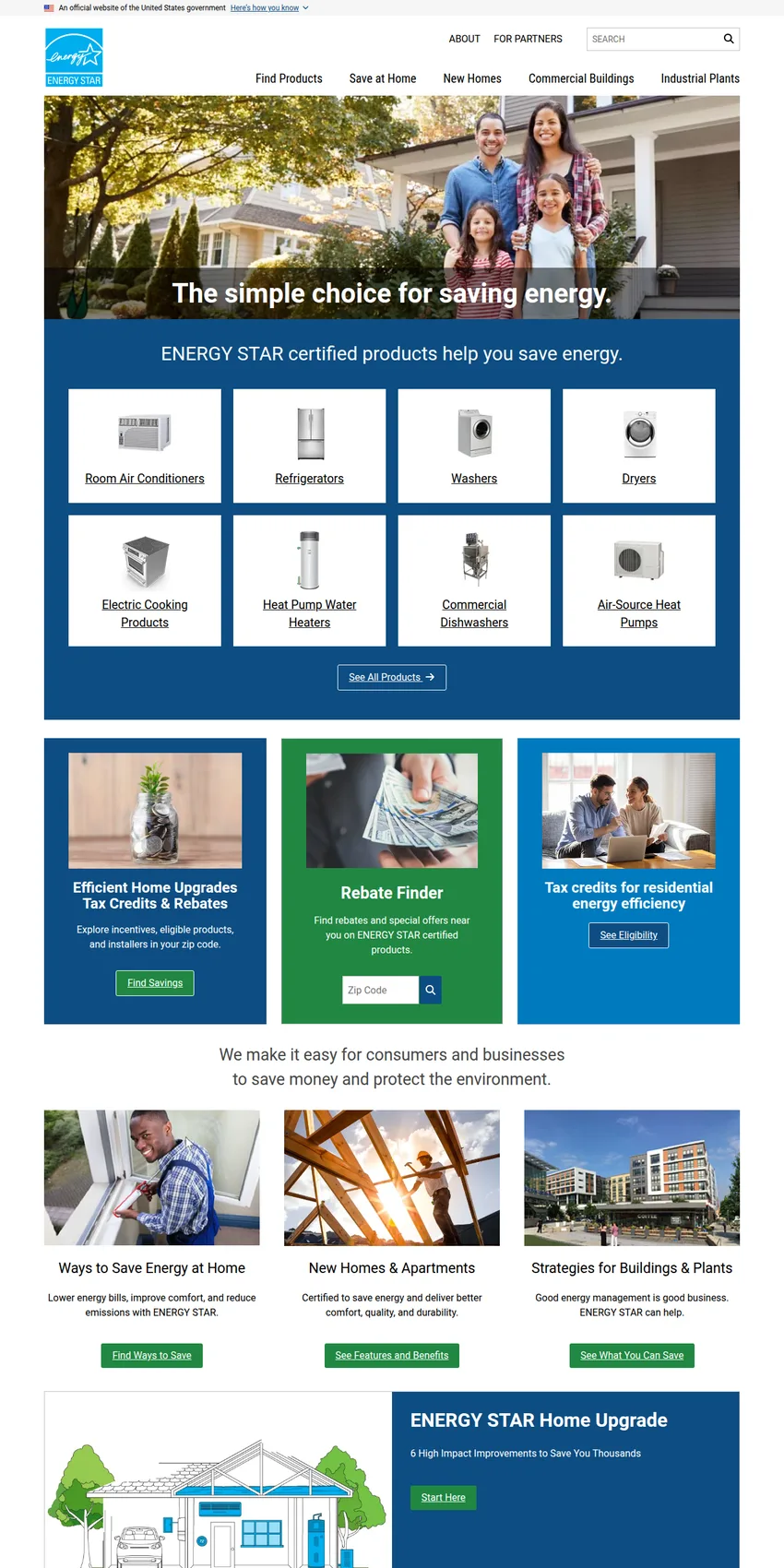
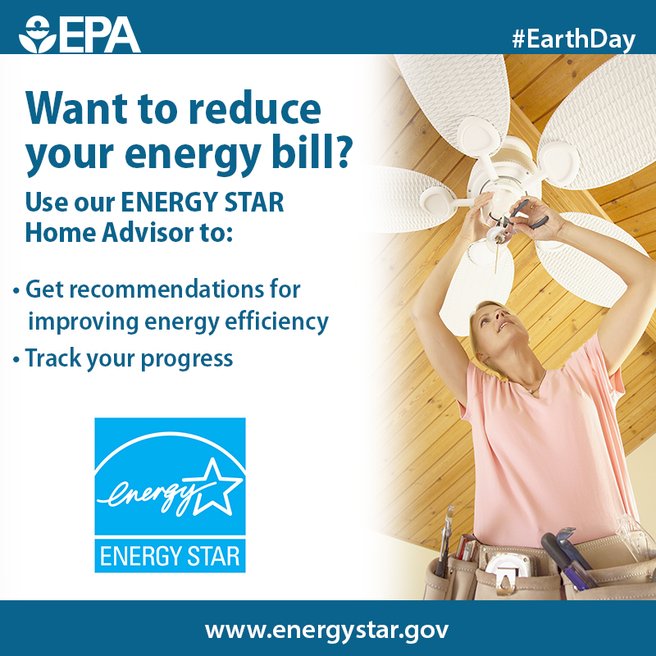
You do not need to be an engineer to get value from the program. The website offers a Home Energy Yardstick that compares your household's energy use to similar homes using nothing more than your address and a year of utility bills. There are rebate finders that connect a certified purchase to utility and manufacturer offers in your area, side-by-side product comparison pages, and a Home Advisor that suggests upgrades ranked by how quickly they pay for themselves. For anyone weighing whether a more efficient model is worth the higher sticker price, these are the practical places to start.
ENERGY STAR belongs in the environment and energy corner of a business directory because it is the reference point most U.S. buyers and building owners already trust when they want to spend less on power. The program is administered by the EPA's Office of Air and Radiation. Written mail goes to US EPA, ENERGY STAR Program, 1200 Pennsylvania Avenue NW, Mail Code 6202A, Washington, DC 20460. The public ENERGY STAR Hotline is +1 888-782-7937, staffed on weekdays, and the full set of product finders, rebate tools, and certification details lives at energystar.gov.

Business address
U.S. Environmental Protection Agency (ENERGY STAR Program)
1200 Pennsylvania Avenue NW, Mail Code 6202A,
Washington,
District of Columbia
20460
United States
Contact details
Phone: +1 888-782-7937