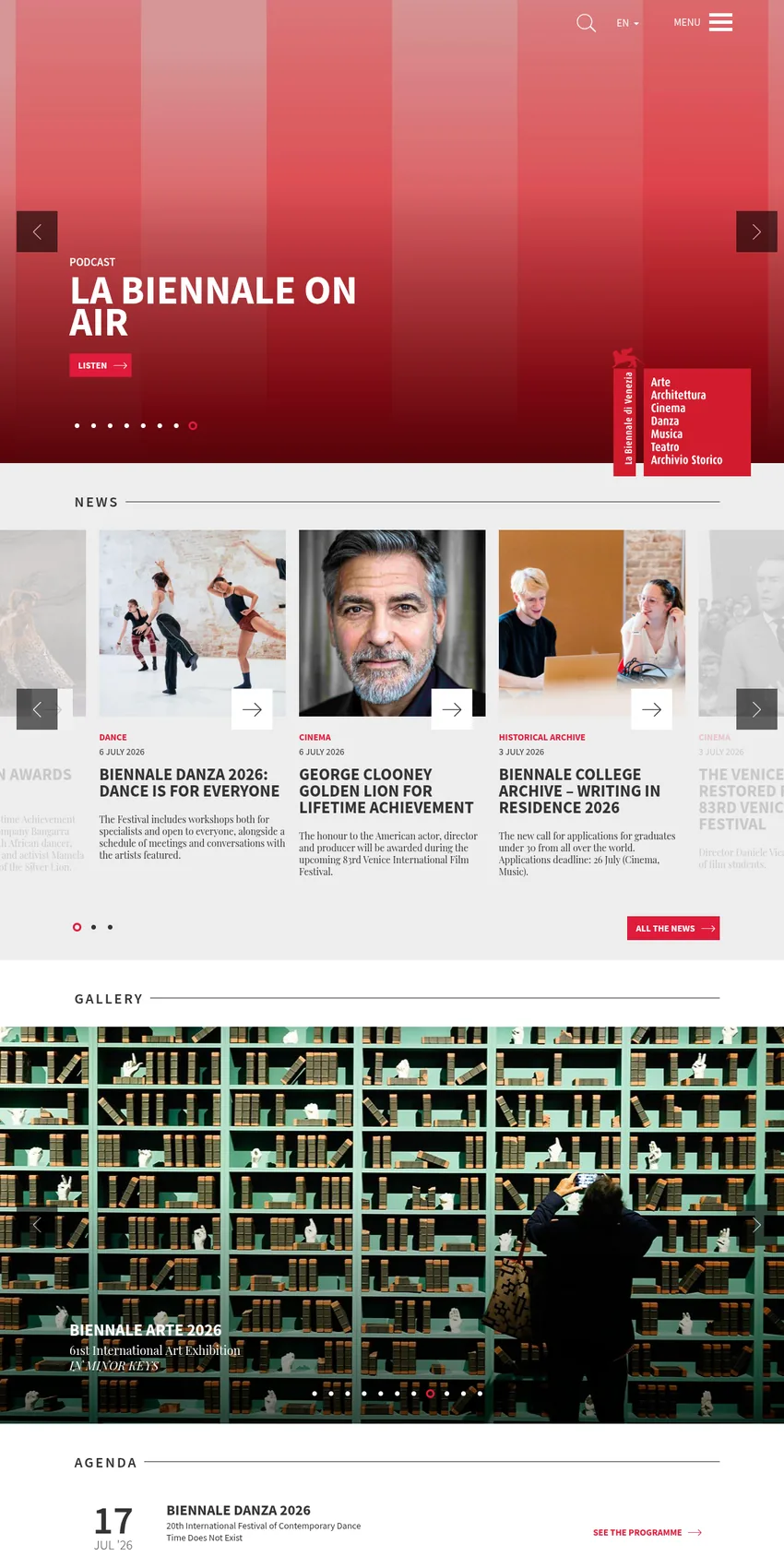
La Biennale di Venezia is a public cultural foundation in Venice, established in 1895, that organizes six recurring international festivals spanning art, architecture, cinema, dance, music and theatre. Its English-language website is the official gateway to all of them, holding the exhibition programmes, the festival news, the ticketing and accreditation routes, and a historical archive built up over 130 years of activity. On its own History page, La Biennale di Venezia calls itself "one of the most prestigious cultural institutions in the world," and for once a self-description of that size can be taken close to face value.
Few organizations attempt even one festival at this level; this one maintains six.
Scale settles the question early. The Venice International Film Festival, which La Biennale di Venezia created in 1932, is identified on the site as the first film festival in history, and even the youngest of the six festivals, the dance programme, has been running since 1999. Longevity of that order is a credential in itself, and the site wears it lightly: the historical claims sit in plain text on the relevant pages, where anyone can check them.
Six disciplines on one calendar
The English pages of La Biennale di Venezia are organized into six programme sections, one per discipline, under their Italian names: Arte, Architettura, Cinema, Danza, Musica and Teatro. The Italian names survive on the English side and they work; Danza and Teatro need no translation. A hero slider and a What's On grid on the homepage surface whatever is running or about to open, and an Agenda handles date-by-date planning across the whole operation, so anyone following a single festival can head straight to its section and ignore the other five. Each section carries its own edition front and its own news, and the six festivals read as parallel operations under one roof.
Section addresses roll forward with each cycle. Art, cinema, dance, music and theatre all have live 2026 fronts, architecture already points to 2027, and when an edition closes its pages hand over to the next one, so deep links age faster here than they would on a static institutional site. That is worth knowing before bookmarking anything below the top level, though the six section entrances themselves stay put.
A single news stream ties the six strands together, carrying jury line-ups, award decisions and programme announcements as they are confirmed through the year. La Biennale di Venezia also distributes that stream over RSS, fifty items deep, for anyone who wants announcements pushed to them instead of checking the homepage on a hunch.
Art and architecture exhibitions
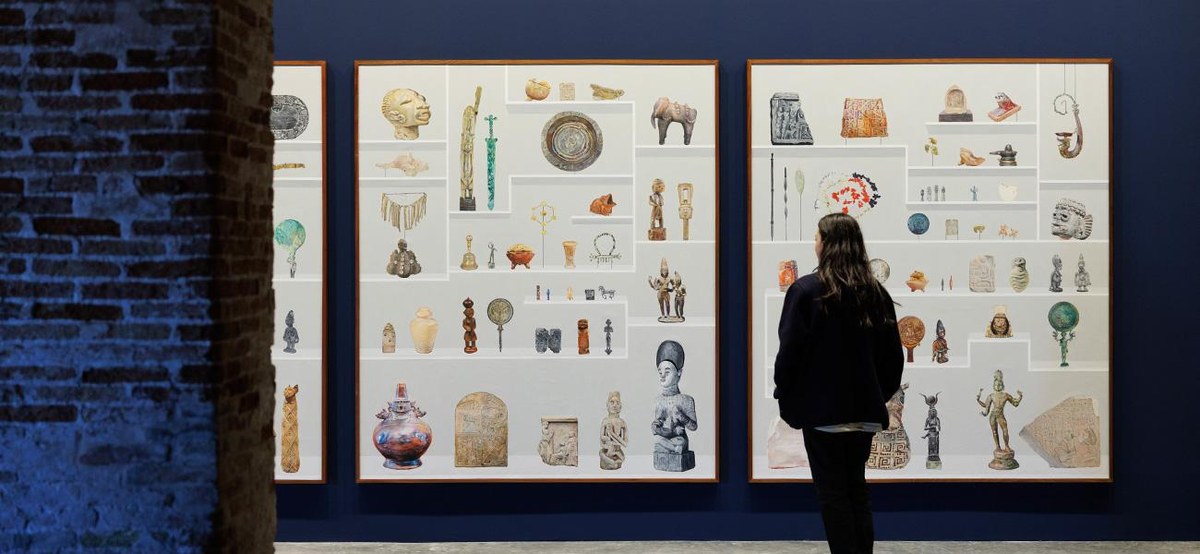
Biennale Arte, the International Art Exhibition, is the event most people picture when they hear the words Venice Biennale. Its 2026 section is already live, fronted by a full-width banner and a grid of exhibition tiles, and La Biennale di Venezia states that the 2022 edition drew more than 800,000 visitors. That is museum-scale traffic compressed into a single exhibition run, and the figure is reported on the foundation's own pages, which is exactly where a careful reader would want to verify it.
Architecture has a parallel exhibition of its own: Biennale Architettura has been held since 1980, and its next edition is already listed for 2027, with the section front standing well ahead of the event itself. Between the two exhibitions, the heavyweight end of the programme is documented years into the future, and La Biennale di Venezia makes that planning horizon visible rather than hiding it in a press release; a 2027 page online today is routine for a corporation and very unusual for an arts event.
The oldest film festival
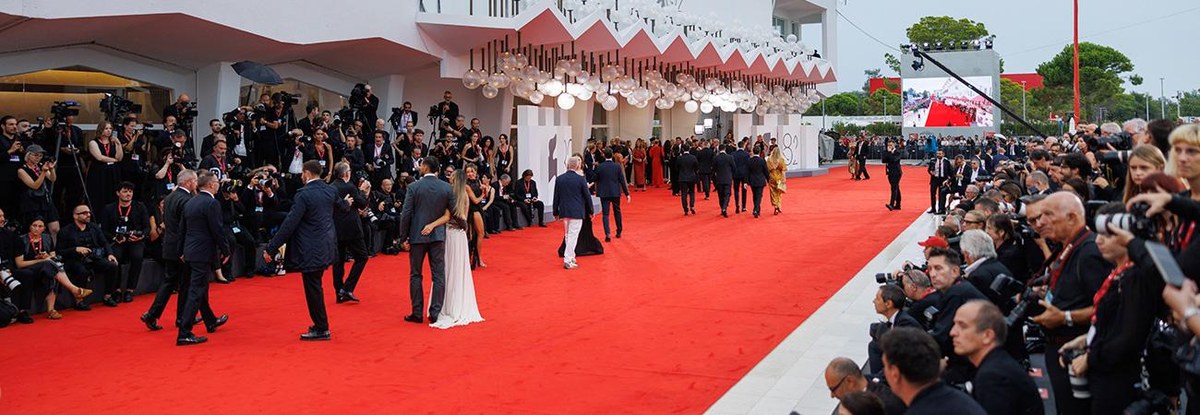
The Cinema section belongs to the Venice International Film Festival, dating to 1932 and presented as the first festival of its kind in history. Its 83rd edition is announced for 2026 in La Biennale di Venezia's news feed. Eighty-three editions is a number no younger festival can match. The section front pairs a festival hero image with news tiles that fill in as juries and programmes are confirmed, and red-carpet photography from recent editions sits alongside the practical material, so the pages carry some of the event's glamour without burying the logistics underneath it.
La Biennale di Venezia keeps accreditation apart from public ticketing, with its own section for professionals. That split is standard practice for a festival of this size, and it means industry visitors and ordinary filmgoers are routed cleanly from the first click.
Dance, music and theatre
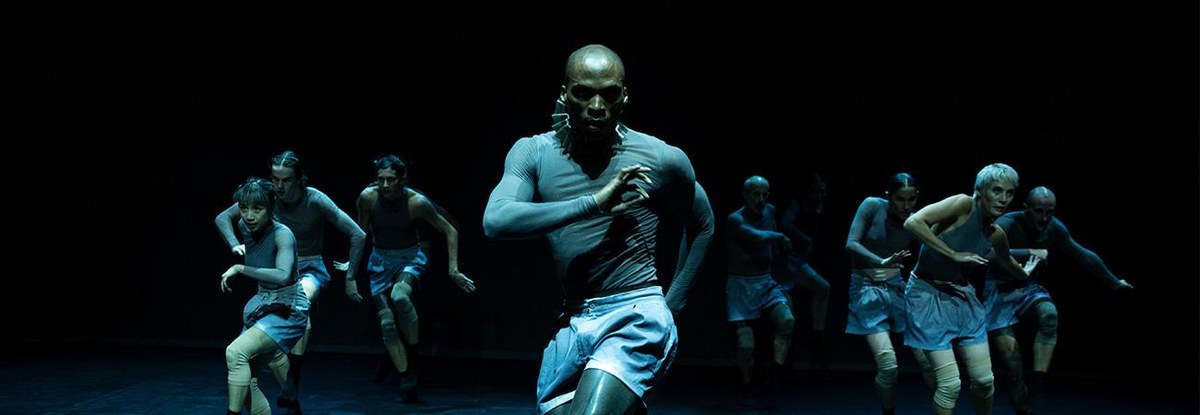
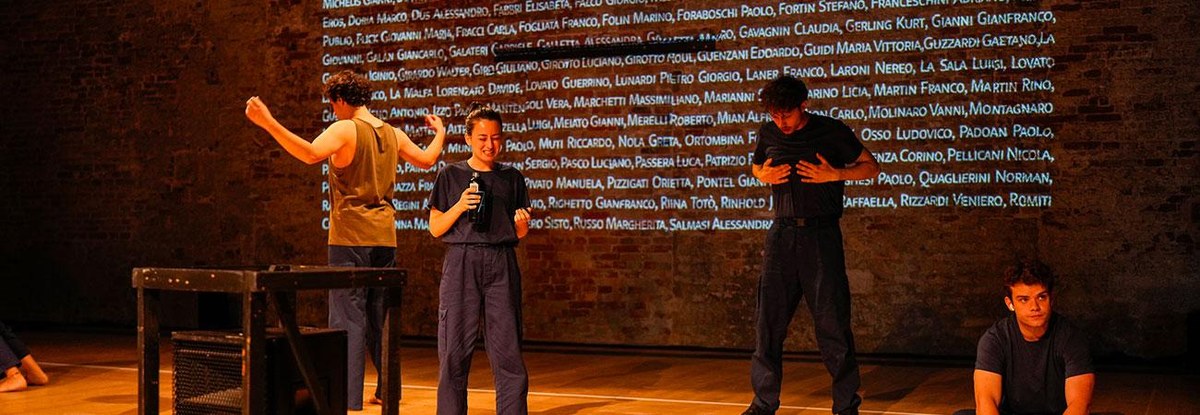
The performing arts hold equal standing at La Biennale di Venezia. Biennale Danza has run since 1999 and sits alongside the Musica and Teatro festivals in a common pattern: each of the three has its own artistic director, its own edition cycle and its own Golden and Silver Lions, including awards for lifetime achievement. Separate directors mean separate curatorial identities, and the site keeps the three distinct instead of folding them into one performing-arts bucket. Their 2026 section fronts are live and lead with performance photography, dancers and stage work first, programme prose second, and the parity given to dance and theatre alongside a famous film festival is rare enough to notice.
Archive, college and public services
ASAC, the Historical Archives of Contemporary Arts, is the section that separates this site from a plain events calendar. It documents the history of La Biennale di Venezia itself, and since the record begins in 1895, the archive amounts to a research resource covering more than a century of exhibitions and festivals. Students, curators and journalists get a named entry point for that material, with the institution maintaining it directly instead of leaving the story to secondary sources.
Biennale College is the training and development arm, and it operates across all six disciplines rather than being attached to a single festival. La Biennale di Venezia, the same body that stages the events, also runs programmes for the artists, filmmakers, performers and architects who may appear in future editions. Few festival organizers carry a college, let alone one working in six art forms at once. Training runs through the whole structure as a seventh strand.
An educational programme for 2026 and a section on environmental sustainability round out the institutional side. Neither is the reason most visitors arrive, but a public foundation carries obligations beyond selling tickets, and these pages are where La Biennale di Venezia records them.
For visitors, the practical layer is complete. Tickets, Venues and Services for the public each have their own sections, the Agenda covers dates across the six programmes, and the whole site runs in parallel Italian and English editions. Nothing about the English edition feels cut down; it mirrors the Italian one page for page. One quirk deserves a flag: a minority of newsroom items appear in Italian only, even on the English side, so the occasional announcement or obituary arrives untranslated. It is a small friction, and the only one of its kind observed across the English pages.
The honest reservation is density. Six festivals, a college, an archive, an education programme and a rolling news operation make for a deep site, and the year-stamped addresses mean bookmarks age; what points at the 2026 art pages today will belong to a past edition soon enough. None of this weakens the case for using it. When the subject is the programming of La Biennale di Venezia, there is no better source than the institution's own pages, and these are current, specific and detailed enough to repay the time spent learning the layout.
Readers with a serious interest in contemporary art, film, architecture or performance will end up on these pages sooner or later, and probably more than once a year. The 2026 editions in art, cinema, dance, music and theatre are already taking shape on the site, with architecture to follow in 2027. Six disciplines under one name is an unusual model, and La Biennale di Venezia has kept it running for more than a century without folding any one of them into the others.
Important pages
Verified social profiles
Business address
Fondazione La Biennale di Venezia
Ca' Giustinian, San Marco 1364/A,
Venice,
VE
30124
Italy
Contact details
Phone: +39 041 5218711
Produttrice e sceneggiatrice, aveva fatto parte della Giuria della Biennale Cinema nel 1991.
Martedì 29 settembre 2026, ore 18.30 (Piazza Trento 5, Tivoli, Roma).
The emerging practitioners under 30 come from China, Croatia, Italy, Mexico, Syria, Spain, Turkey, Tunisia, the USA, and Hungary.
Incontro con gli autori finalisti della 64ª edizione: lunedì 21 settembre ore 17, Biblioteca della Biennale (Calle Paludo S…