The office that runs federal college aid
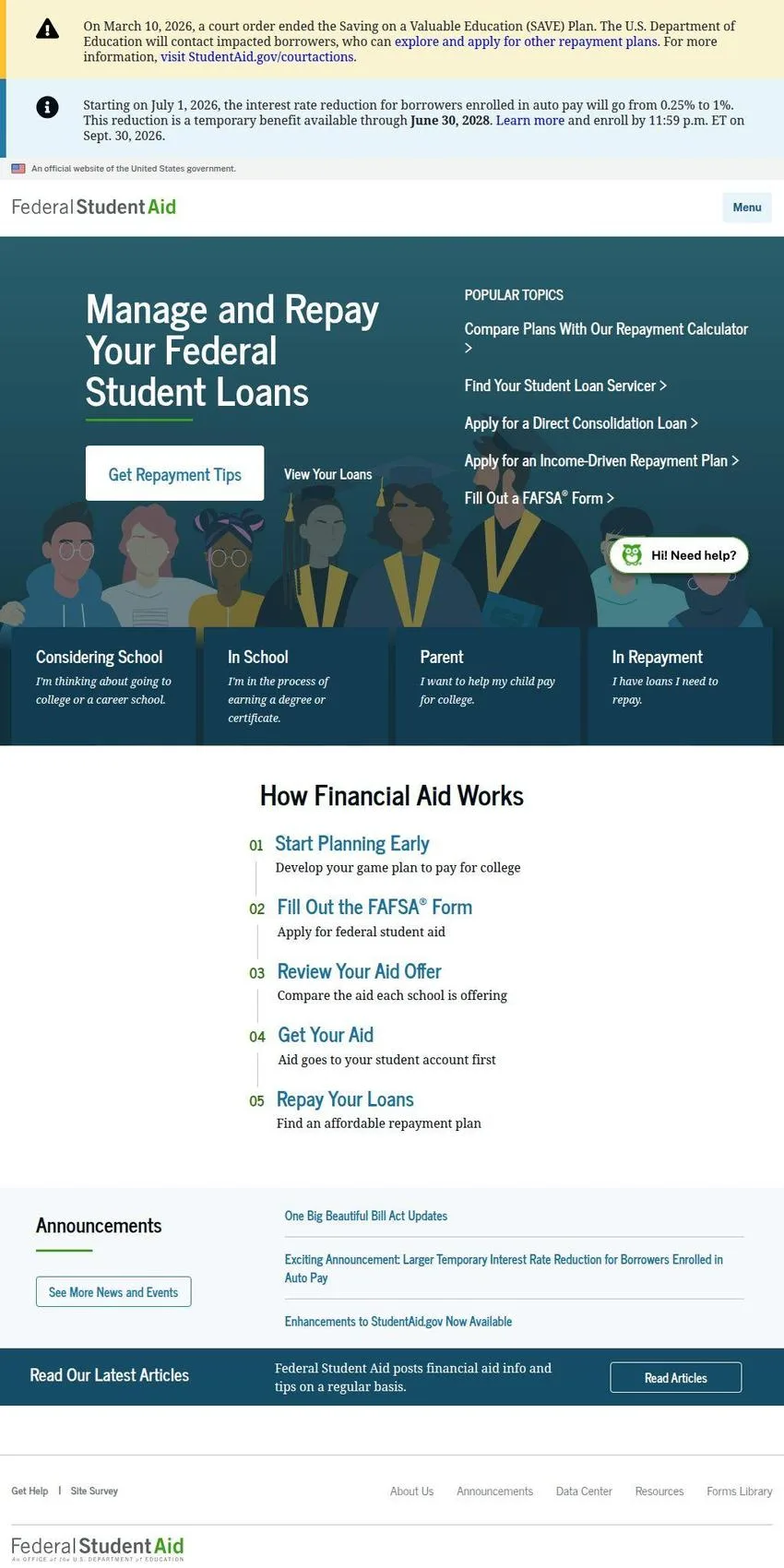
The kitchen-table problem of how to pay for college leads most families to this office sooner or later, even if they never learn its name. Federal Student Aid is the part of the U.S. Department of Education that runs the federal grants, loans, and work-study money students use to pay for college and career school. When people talk about filling out the FAFSA, applying for a Pell Grant, or checking who now services a student loan, they are dealing with programs this office manages.
The scale is large. Federal Student Aid is the biggest single provider of student financial aid in the country. In a typical year it delivers more than 100 billion dollars in grants, loans, and work-study funds toward higher education, and it manages a federal student loan portfolio worth around 1.6 trillion dollars held by tens of millions of borrowers. About 1,400 staff run the day-to-day operations, working with thousands of colleges, loan servicers, and campus financial-aid offices.
The aid programs, in plain terms
Almost everything starts with one form: the Free Application for Federal Student Aid, better known as the FAFSA. You file it at StudentAid.gov, the office's main website, using an account login called an FSA ID. The information you report goes to the schools you list, and each school uses it to build a financial-aid offer. There is no charge to file. The word free is right there in the name for a reason, and a counselor will tell you never to pay a third party to submit it for you.
Grants and work-study
Some federal aid does not have to be paid back. The Pell Grant is the best known of these and goes to undergraduate students with the most financial need. Alongside it sit the Federal Supplemental Educational Opportunity Grant, or FSEOG, for students with exceptional need, and the TEACH Grant for people training to teach in high-need fields, which carries a service requirement. Federal Work-Study is a little different. It funds part-time jobs, often on campus, so a student earns money across the school year rather than receiving a lump sum.
Loans and repayment
The rest of the aid is borrowed. Through the William D. Ford Federal Direct Loan Program, the office lends money directly to students and parents: Direct Subsidized and Unsubsidized Loans for students, PLUS Loans for graduate students and parents, and Consolidation Loans for combining several balances into one. After you leave school, a loan servicer handles the monthly bill on the office's behalf. Repayment does not have to be one size fits all. Income-driven plans tie the monthly payment to what you earn, and Public Service Loan Forgiveness can cancel a remaining balance after ten years of qualifying payments for people who work in government or nonprofit jobs. If a bill ever looks wrong or a servicer is hard to deal with, the office also runs an ombudsman group that helps sort out disputes.
How the office is set up
Congress created Federal Student Aid in 1998 through the Higher Education Amendments (Public Law 105-244). It was the federal government's first performance-based organization, a structure meant to run the aid programs more like a results-driven business, with its own chief operating officer and measurable goals. The programs it delivers are older than the office itself. They come from Title IV of the Higher Education Act of 1965, the law that built the modern federal aid system. The office reports up through the Department of Education, and its leadership has included Richard Cordray, who served as chief operating officer from 2021 until 2024.
Day to day, the work is less about policy and more about plumbing. Federal Student Aid decides which schools may take part in the aid programs, checks that they follow the rules, moves money to campuses, hires and oversees the loan servicers, and keeps the records that tell a borrower how much they owe. It also publishes plain-language guides, loan calculators, and comparison tools so families can weigh an offer before signing. That mix of consumer help and program management is why the office fits squarely in an education directory. For most American students, it is the single practical link between wanting to go to college and being able to afford it.
Where to reach Federal Student Aid
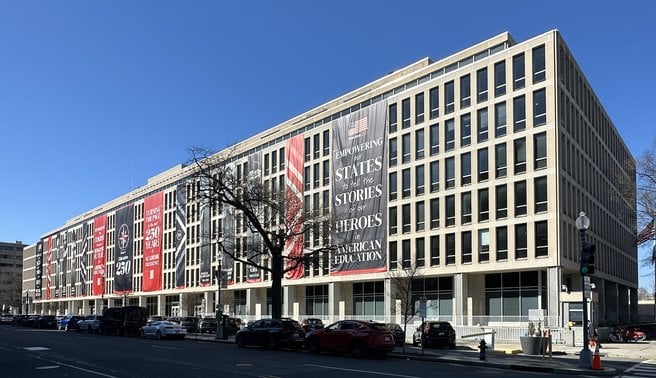
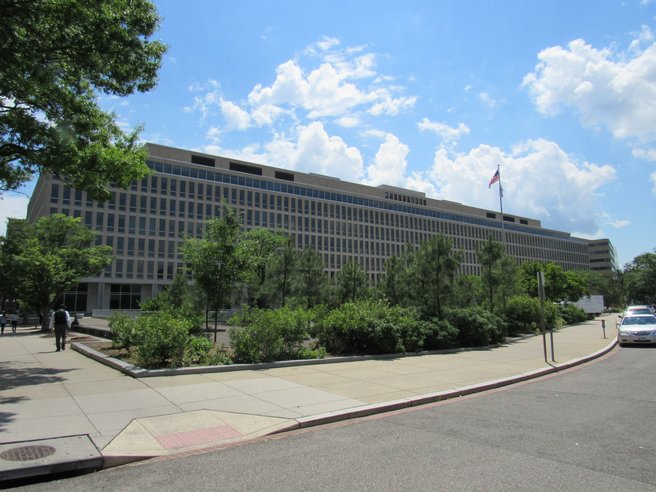
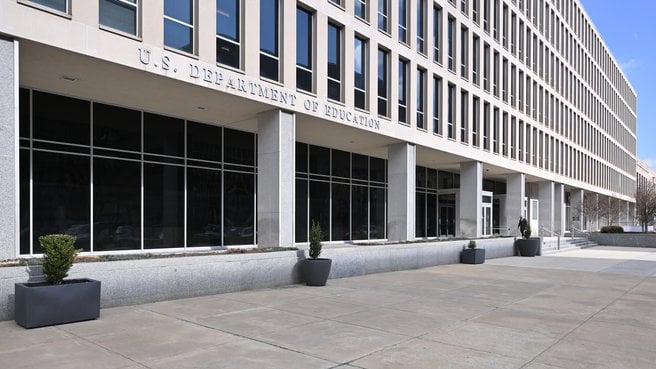
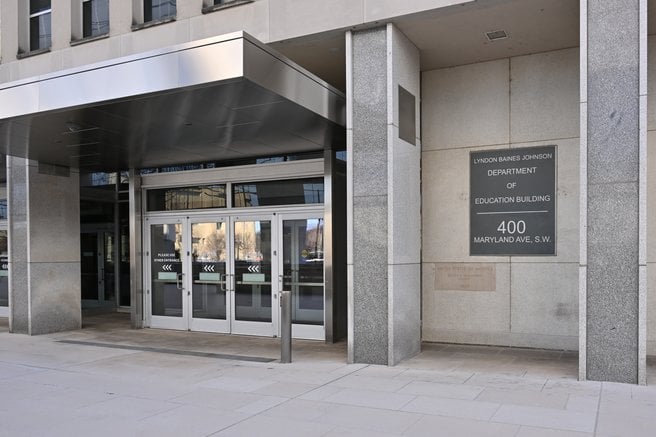
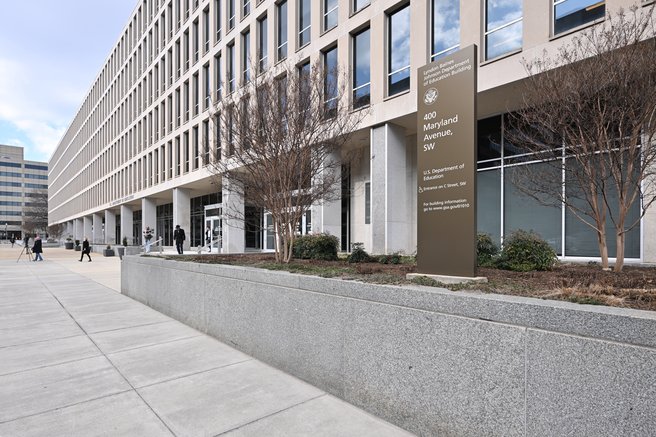
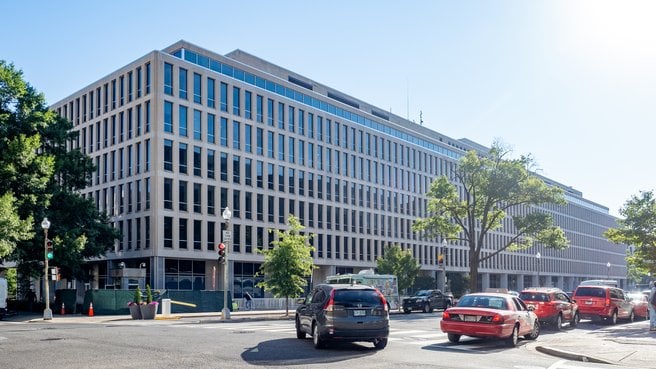
The main office sits at 830 First Street NE, Washington, DC 20002. For questions about the FAFSA, grants, loans, or an account, the Federal Student Aid Information Center answers by phone at +1 800-433-3243, which spells out as 1-800-4-FED-AID. Callers who are deaf or hard of hearing can use the TDD line at 1-800-730-8913. The fastest self-service route is the office's own website, StudentAid.gov, where you can start a FAFSA, log in with an FSA ID, review your loans, and pick a repayment plan. If you remember one thing a counselor says, make it this: everything here is free to apply for, and the people at that phone number are paid to help you use it.
Business address
U.S. Department of Education, Office of Federal Student Aid
830 First Street NE,
Washington,
District of Columbia
20002
United States
Contact details
Phone: +1 800-433-3243