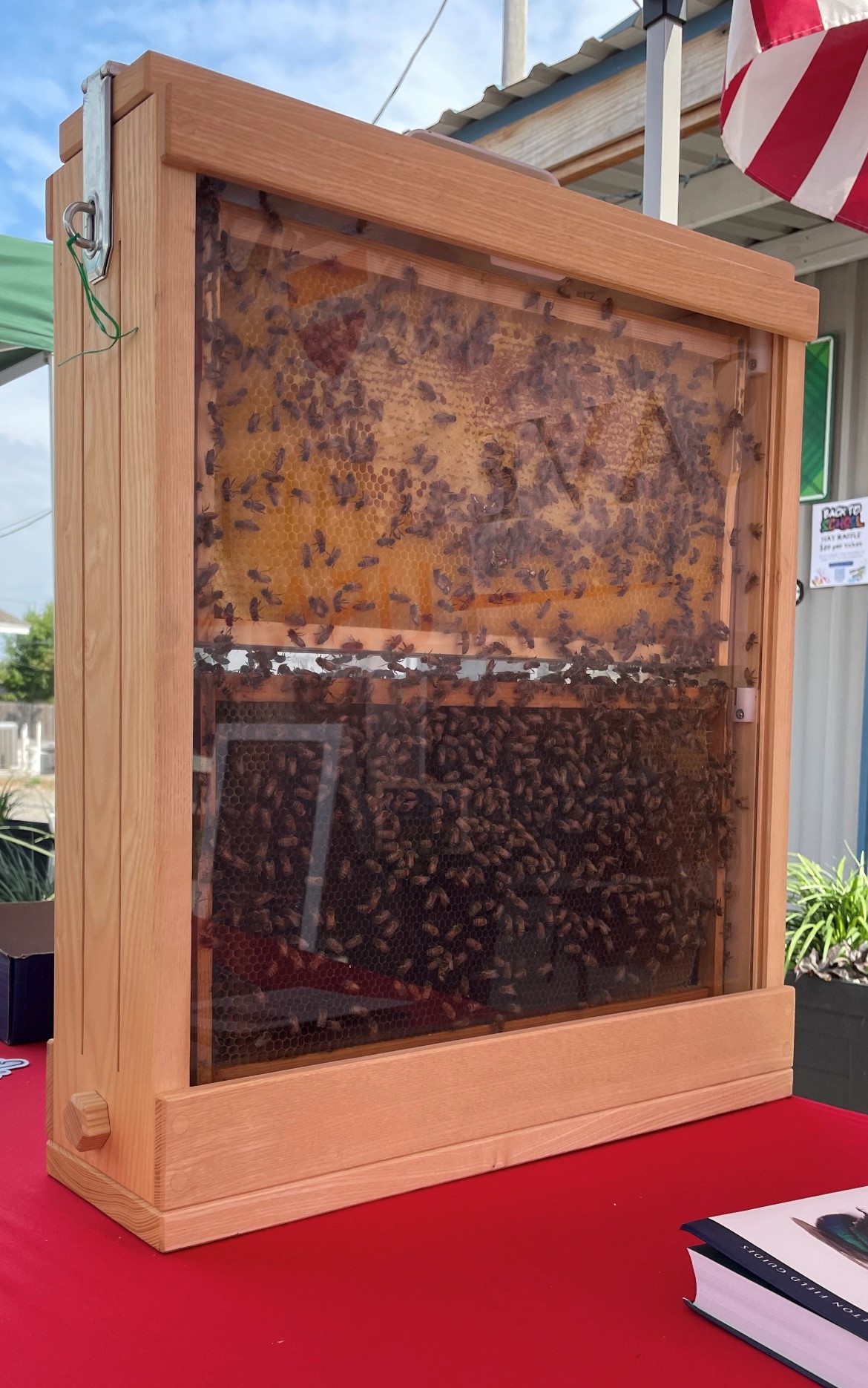
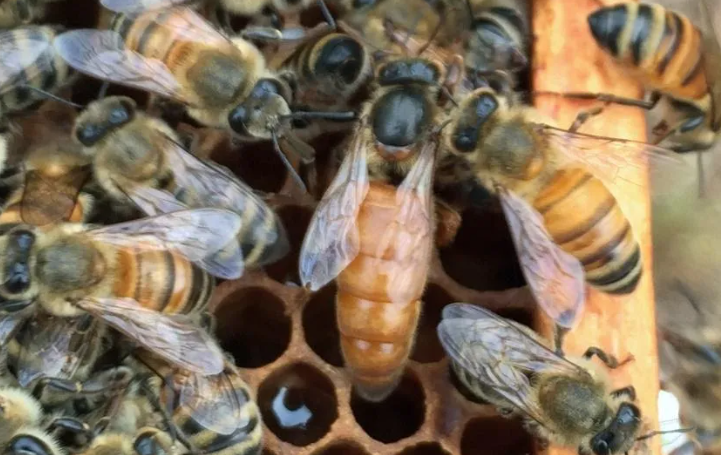
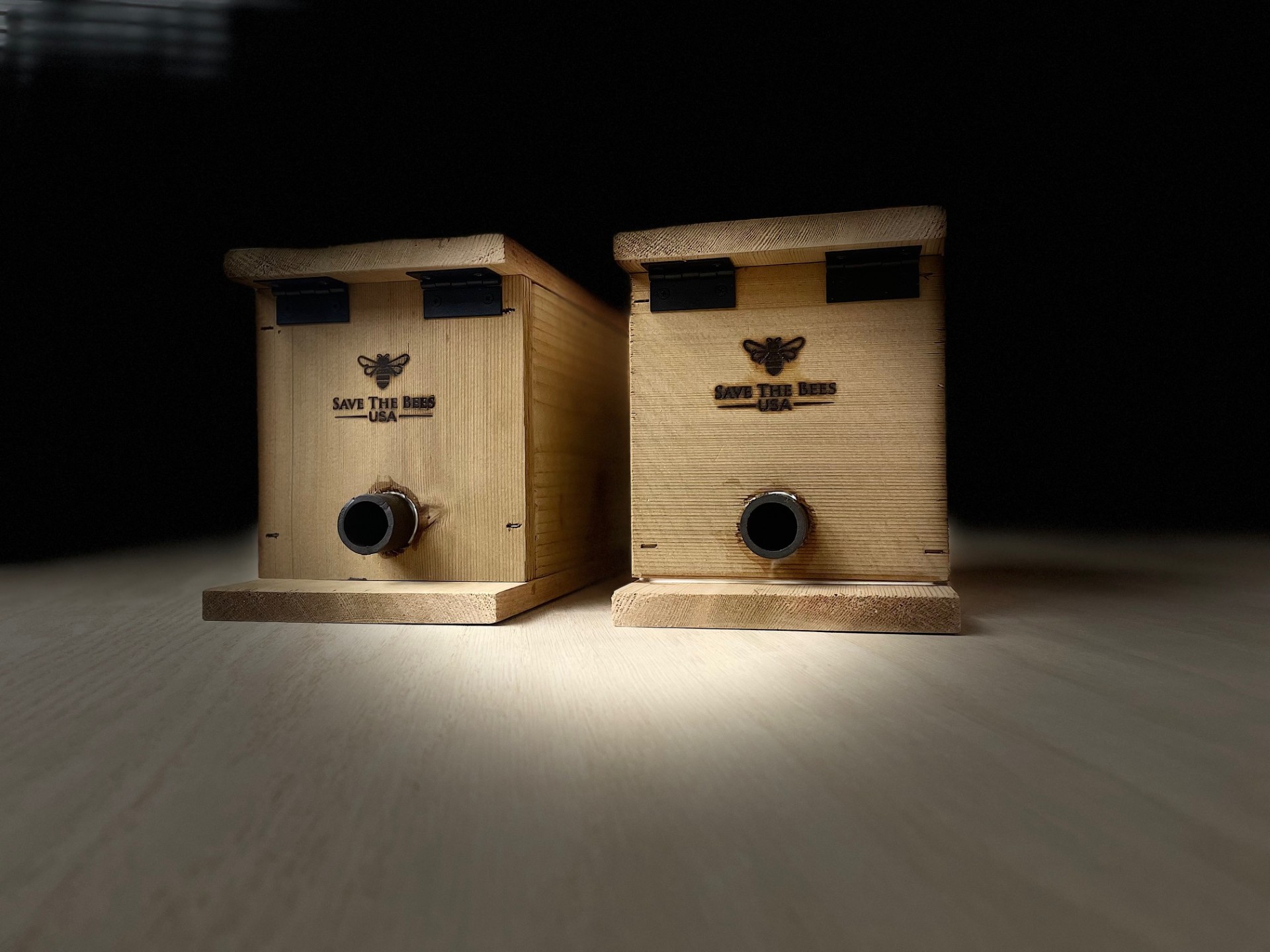
Save The Bees USA opens with a program that most pollinator charities would never attempt: a living honeybee colony installed inside a classroom. The Observation Hive Program places real, working colonies in schools so students can watch foragers land, track a queen laying eggs through glass, and see comb being built in real time. That single program tells you a great deal about how this Texas-based 501(c)(3) operates: hands first, lecture second.
Observation hives and hands-on learning
Save The Bees USA is registered out of Van Alstyne, north of Dallas, and carries Tax ID 93-3534683. Its stated purpose is pollinator conservation paired with public education, and the website is built around both halves of that. The home page cites the widely repeated figure that roughly one-third of the U.S. food supply depends on pollinators, using that to argue declining bee populations are a food problem as much as a nature problem. It is a sensible hook, and Save The Bees USA does not stop at the slogan stage. The mission, as the site puts it, is reversing the decline in bee numbers, and the programs below that headline are more granular than the phrase implies.
Programs beyond the honeybee
Those programs are the spine of the operation. Beyond the classroom hives, Save The Bees USA runs an Adopt A Hive option and an Adopt A Queen option, both letting a supporter put money behind a specific colony rather than a general fund. There is also a Bumblebee Restoration Program and a Mason Bee Program, which is worth pausing on: mason bees and bumblebees are native pollinators that a lot of similar charities ignore in favor of the more photogenic honeybee. Covering them shows the people running Save The Bees USA understand pollinator health as a wider question than one celebrity insect. The organization also accepts grant applications for conservation projects, so money flows outward to other efforts as well as supporting its own programs.
Educational materials for teachers
For teachers and school coordinators, the educational layer is probably the most useful part. Save The Bees USA publishes materials on different bee species and the pressures working against them: habitat loss, pesticide exposure, and a shifting climate. A blog and news section keeps updates running. None of this is a paid course; it reads as open reference material aimed at educators, students, and curious supporters. I went in expecting a thin donate-now page and found a fuller spread. The breadth reads as the product of people who actually work with bees rather than a generic awareness campaign bolted onto a payment button.
Adoption options and community engagement
Save The Bees USA clearly wants schools as a core audience, but it leaves doors open for beekeepers and ordinary individuals too. The adopt programs work for a household that wants to do something small and concrete. Save The Bees USA also runs an online shop selling bee-related products, which doubles as a revenue stream and a low-commitment entry point for people who are not ready to sponsor a hive. A monthly honey contest adds a lighter, community-building touch that keeps a following engaged between bigger campaigns.
Multiple funding streams
Donations to Save The Bees USA are tax-deductible, following from the 501(c)(3) status, and the site is upfront about that. The combination of adopt-a-hive, outbound grants, a shop, and contests means the organization is not relying on a single funding lever. For a small regional nonprofit, that spread is the difference between an outfit that can keep its programs running and one that stalls the moment a grant cycle dries up. It reflects a degree of operational maturity not always visible in newer charities, where the whole model can hinge on one annual appeal.
Independent third-party reviews specific to Save The Bees USA are hard to come by. Searches turn up a crowd of unrelated entities with similar names: apparel retailers and bee-removal companies, but nothing that amounts to outside testimony on this particular nonprofit. That is not a mark against it. Conservation charities do not collect star ratings the way a restaurant does, and newer organizations often have little public review footprint. A prospective donor is mostly judging Save The Bees USA on its own disclosures, so the quality of those disclosures carries real consequence.
Transparency and contact information
On transparency, the site holds up well. Save The Bees USA lists a street address in Van Alstyne, a working phone number, and a contact form. It also points to active profiles on Facebook, Twitter, Instagram, LinkedIn, and YouTube. A physical address plus a phone line plus a named tax ID is the baseline a serious nonprofit should clear, and Save The Bees USA clears it without making you dig. The spread of social channels gives anyone cautious about a charity several independent places to gauge how active Save The Bees USA actually is, which is more reassuring than a single dormant page. Plenty of small causes hide behind a form-only footer; this one does not.
What questions should donors ask?
A fair review should say where the limits sit too. Because there is no outside review trail, a careful giver cannot lean on third-party verification and has to rely on the organization's own account of its work and the public record behind the tax ID. The programs are described clearly, but the website is the main window into them. A donor who wants proof of impact will need to ask directly: how many classroom hives are placed, how many grants have funded what, what the restoration programs have achieved in the field. Those are reasonable questions to put to any young nonprofit, and the contact channels make them easy to ask.
Concrete mechanisms for support
Save The Bees USA lands on the practical side of the conservation-charity spectrum. Plenty of pollinator causes traffic in awareness alone. Save The Bees USA attaches concrete, joinable mechanisms to its awareness message: a colony to adopt, a queen to sponsor, native-bee programs that go beyond the honeybee, grants that send support to other projects, and free teaching material a busy educator can use without paying for it. The food-supply framing rests on a real and widely cited statistic, the legal status is verifiable, and the contact footprint is open. That is a credible package for an organization of this size.
Business address
Save The Bees USA
2495 Brynlee James Ln,
VAN ALSTYNE,
TX
75495
United States
Contact details
Phone: 9706588333