Someone living in a Victorian terrace off Canonbury Square wants a rear extension and a reworked kitchen, but the house sits in a conservation area and may be listed, which turns a straightforward build into a planning puzzle. That is the exact spot where Fynn Architects Islington positions itself. The practice is a RIBA Chartered firm based in Islington, working on the kind of period houses that fill this part of north London, and it handles the whole arc of a project rather than just the drawings. From early feasibility through securing consent and on to construction information and running the job on site, the firm covers all RIBA project stages, so a homeowner does not end up stitching together separate specialists at each handover.
Heritage residential focus in Islington
The work at Fynn Architects Islington centres on heritage residential properties: Victorian and Georgian houses, listed buildings, and homes inside Islington conservation areas. Planning permission and listed building consent in Islington and the surrounding boroughs are treated as a core competence, which is the right emphasis for the housing stock here. A practice that already knows how the local conservation officers think, and what the area's design constraints tend to demand, saves a client the expensive education of finding that out the hard way.
Planning permission and listed building consent
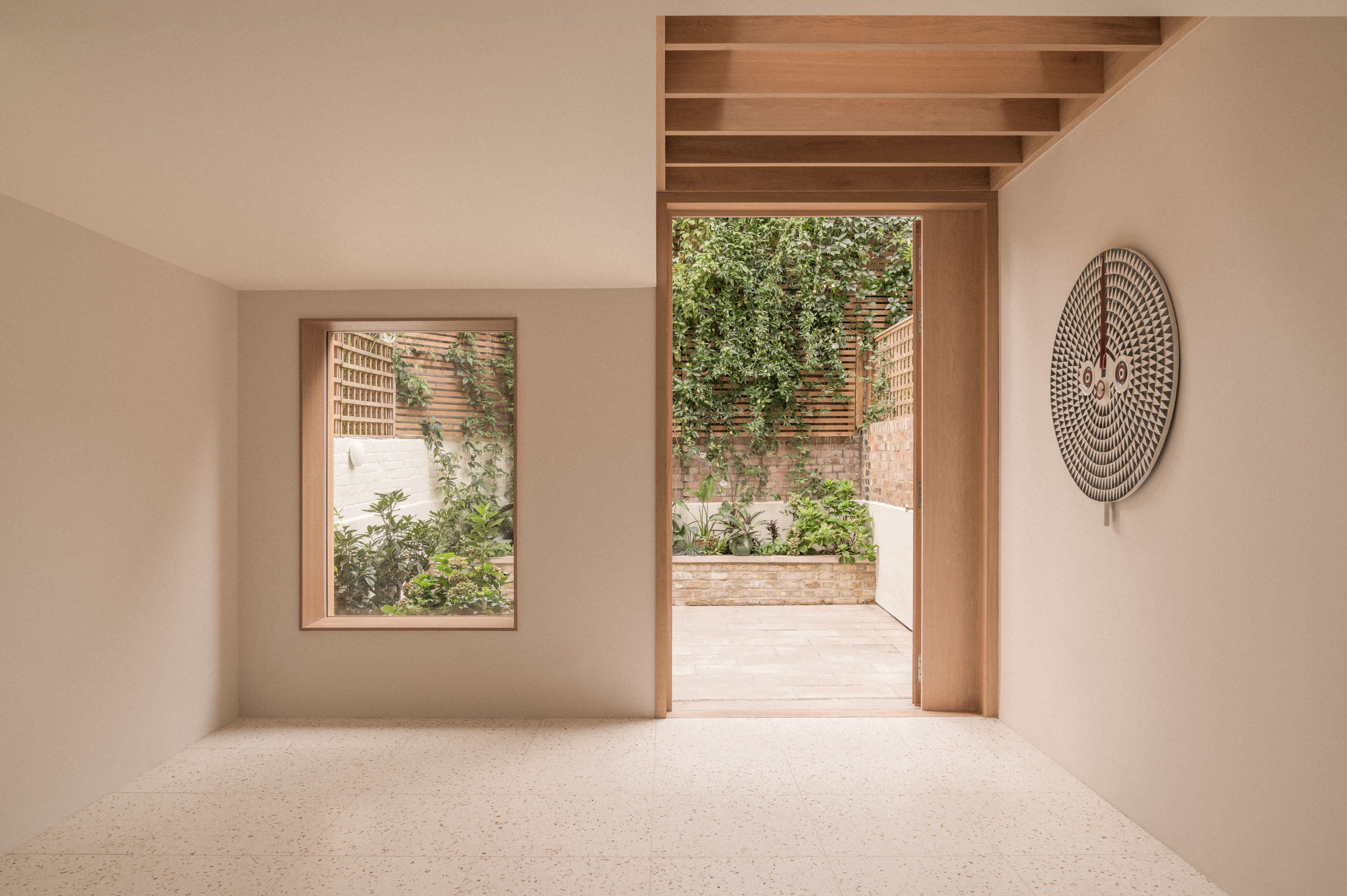
On the project side, the firm lists the specific moves that period-house owners actually ask for: rear, side, and roof extensions; lower ground floor conversions; whole-house renovations; and interior design carried through the same office. That last point is easy to underestimate. When the same firm that wins the planning consent also shapes the interiors, the finished rooms tend to follow the logic of the original structural decisions instead of fighting them. Interior design sitting alongside the architecture, under the BIID and SBID memberships the practice holds, means the inside of the house is treated as part of the design brief and not an afterthought bolted on once the shell is signed off.
Project scope for period houses
It is one thing to call yourself an architect and another to be registered, and Fynn Architects Islington publishes the proof. The firm is registered with the ARB under number 112825E, the statutory register that protects the title in the UK, and it is a RIBA Chartered Practice on top of that. Those two together are the baseline a careful client should look for before any other claim. They are publicly checkable, and the firm gives you the number to check.
Interior design integrated with architecture
The membership roster goes further than the regulatory minimum, and it reads like a firm that has rooted itself in its own neighbourhood. Alongside the BIID and SBID for interiors, there is The Victorian Society, The Georgian Group, The Islington Society, The Canonbury Society, the Angel Association, and The Amwell Society. Those local and period bodies are the ones whose voices count when a conservation-area application lands on a planning desk. The Association for Environment Conscious Building and the UK Green Building Council round it out on the sustainability side.
Registration and professional memberships
That last pairing is not decoration. Sustainability is cited as a core design principle across the work, and the membership backs the claim with bodies that have actual standards behind them. Green talk is easy to dismiss until a firm shows where it is anchored, and here the anchoring is visible. For an old, leaky Victorian house, low-energy retrofit is one of the harder problems in residential design, so the anchoring is worth noting.
Local networks and sustainability anchoring
Small practice with continuity of contact
The presence of Fynn Architects Islington beyond its own website lines up with the heritage focus. It appears in the Islington Council local directory and in the Association of Consultant Architects directory, which are exactly where a credible local practice would be found. Those are the registers that match what Fynn Architects Islington says it does. It appears in the Islington Council local directory and in the Association of Consultant Architects directory, both of which are the sort of place a credible local practice would be found. Those are not paid badges of the empty kind; they are the registers that match what the practice says it does.
If there is a caveat to flag, it is the same one that follows any small practice with a narrow specialism: Fynn Architects Islington is built for period and listed residential work in Islington and nearby, so a new-build commercial scheme or a project miles outside this patch is not where its strengths would shine. That narrowness is also the whole point. The firm has chosen its lane deliberately and stocked it with the credentials, memberships, and local knowledge that lane rewards.
Weighing it up, Fynn Architects Islington is a focused, properly registered practice that knows the particular difficulties of building inside a conservation area and has surrounded itself with the local and heritage bodies that count for getting consent. Full-stage service, in-house interiors, and a serious sustainability stance make it a sensible shortlist candidate for period residential work in this patch.
Business address
Fynn Architects Islington
26 Cross Street,
London,
London
N1 2BG
United Kingdom
Contact details
Phone: 020 3951 2651