A travel eSIM seller with unusually wide coverage and an honest corporate trail, held back by the fact that almost nobody has reviewed it in public. That is the short version, and the rest of this is me poking at whether it survives contact with the details.
How eSIM profiles work for travelers
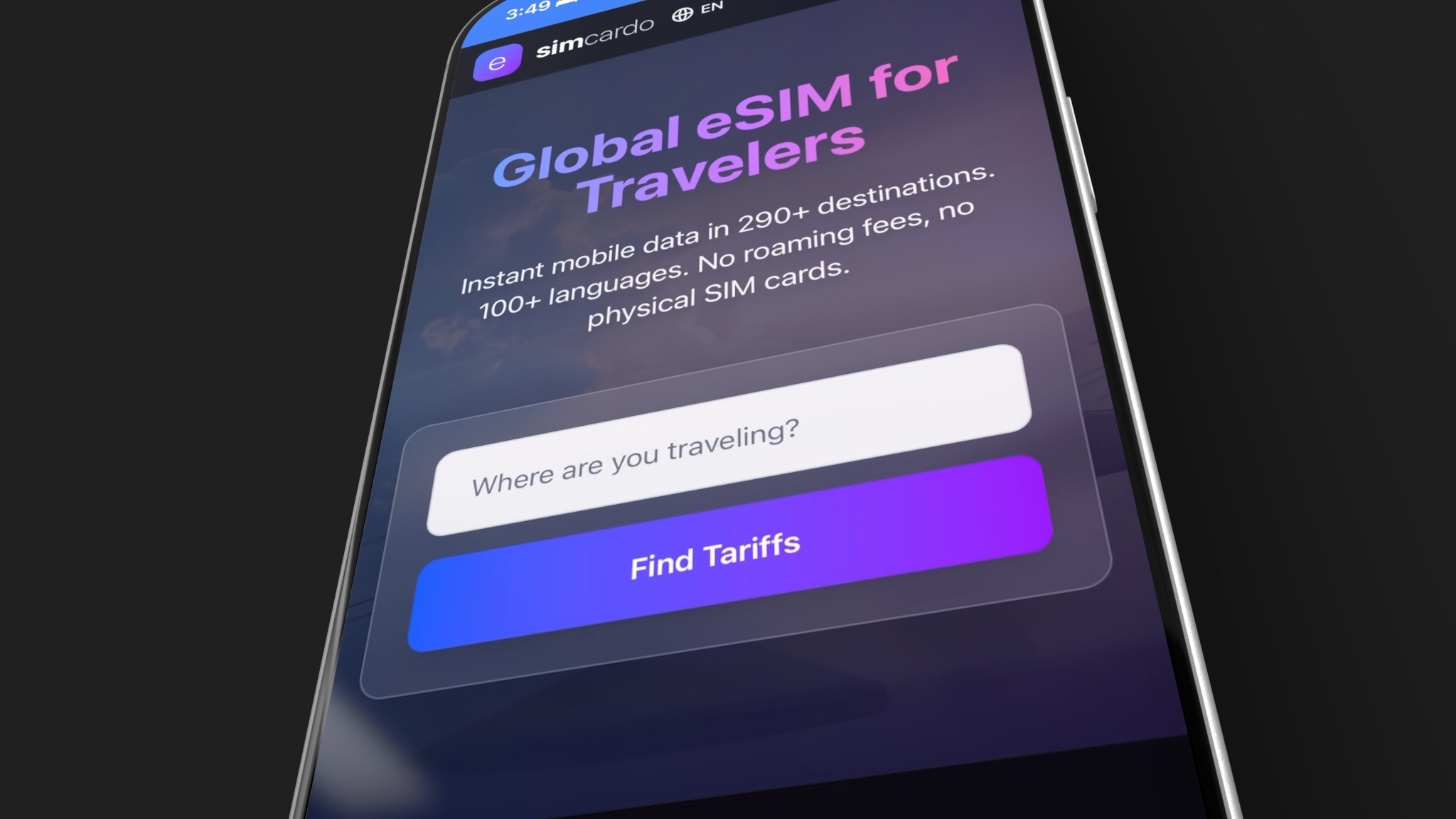
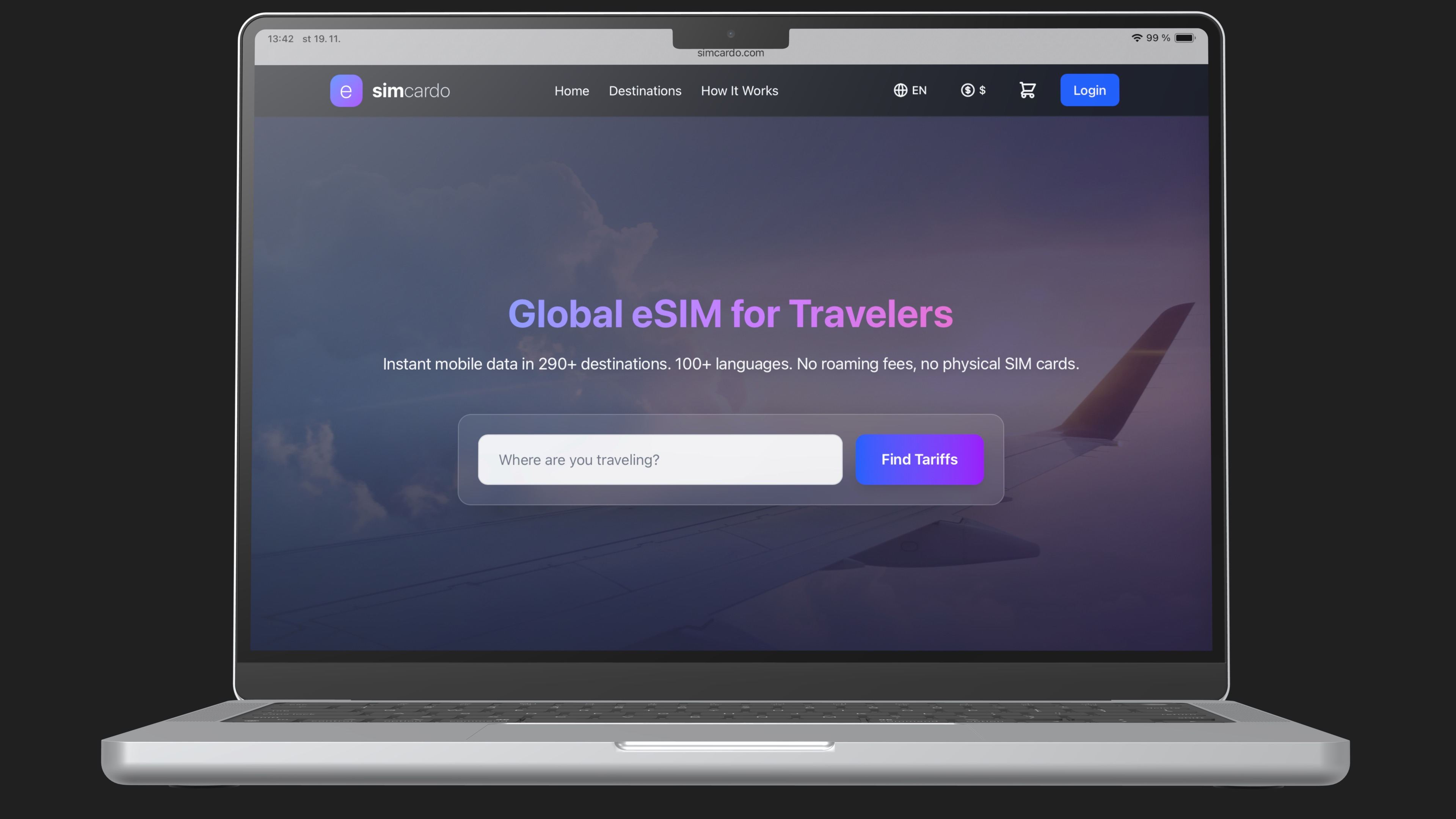
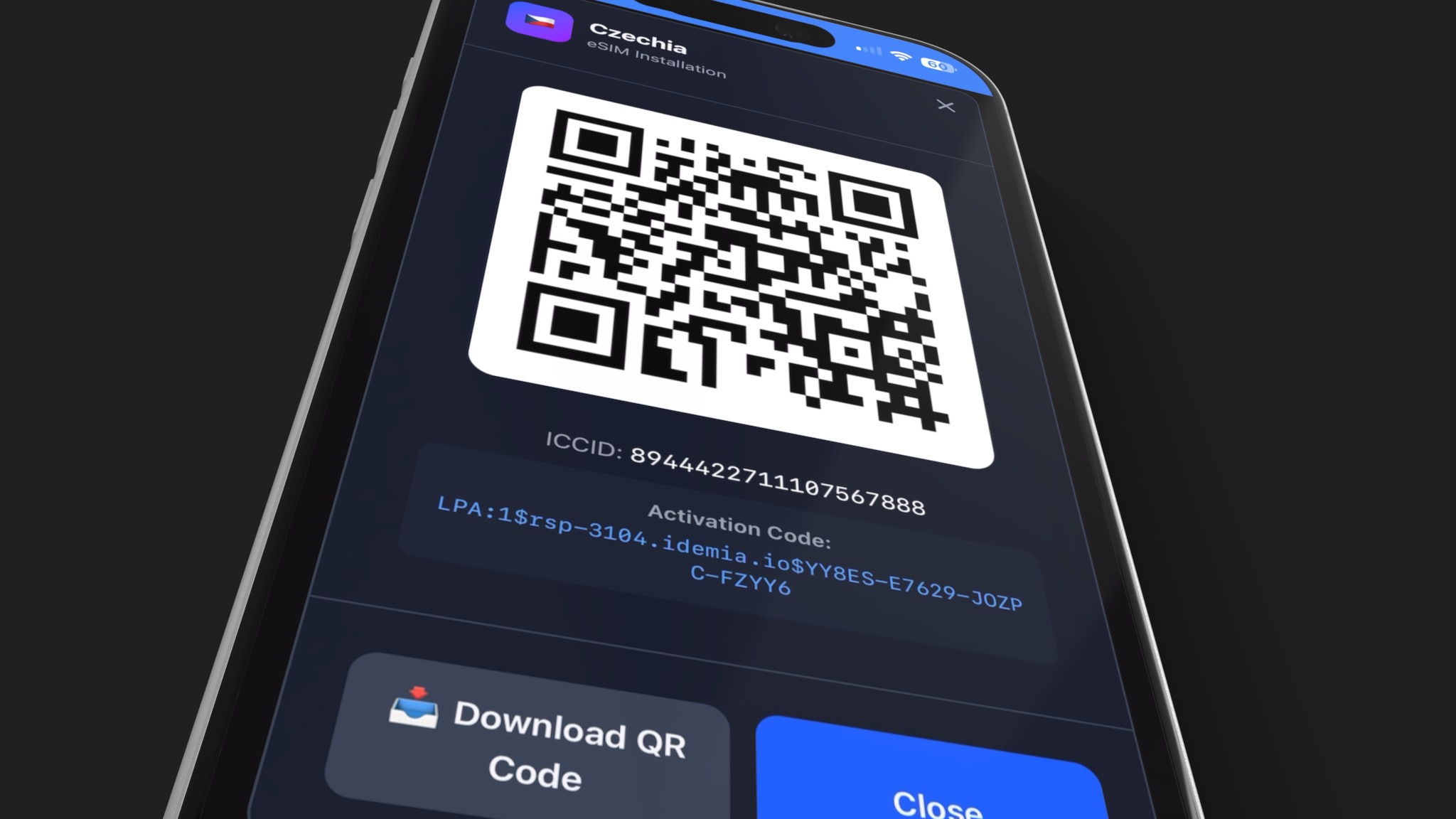
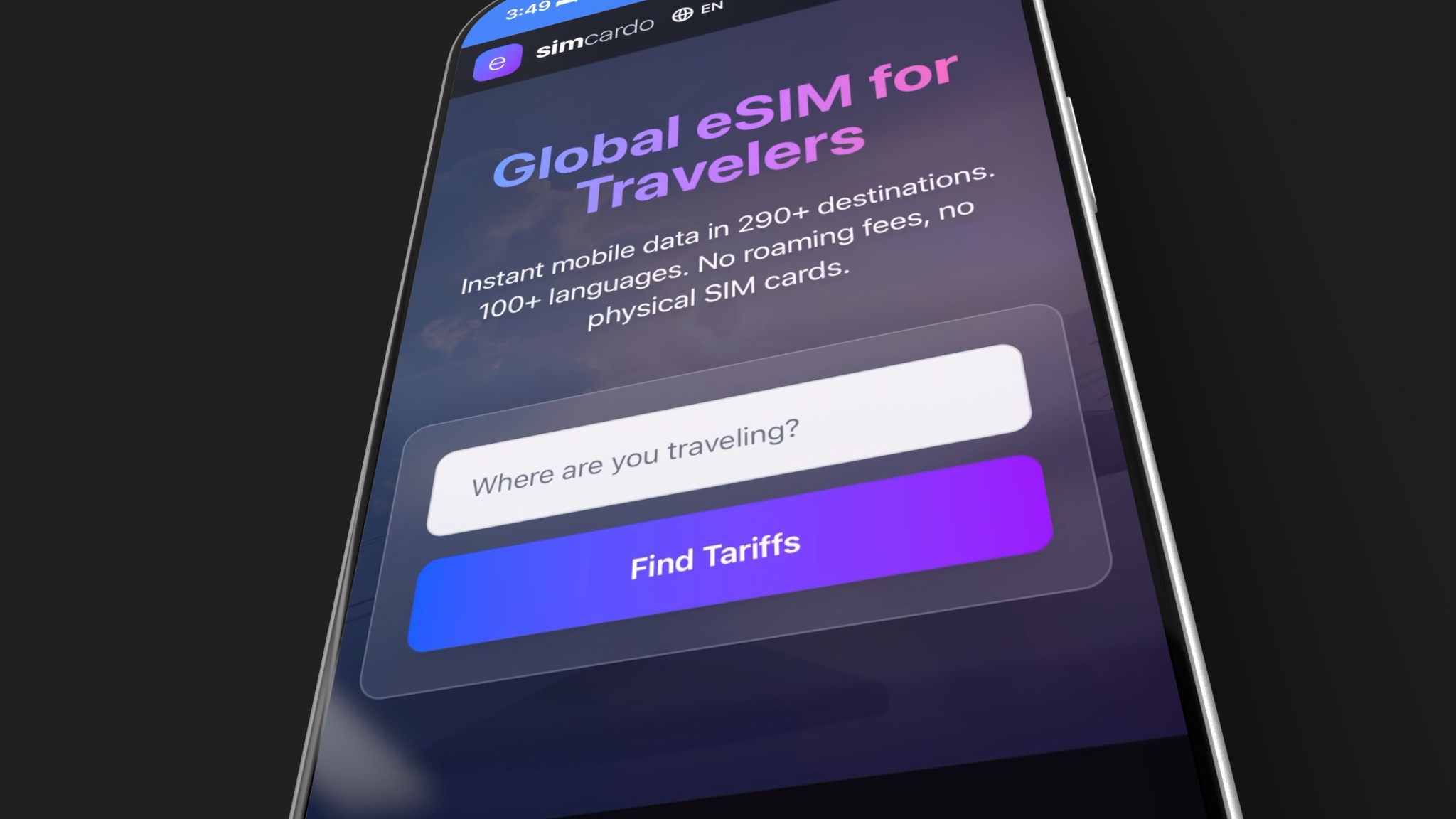
Start with what Simcardo - Global eSIM for Travelers (290+ destinations) sells, because the pitch is refreshingly narrow. You want a working data plan for somewhere awkward, say Mozambique or Kyrgyzstan, without queuing at an airport counter or mailing a passport copy anywhere. You pay, a QR code lands in your email, you scan it on a compatible iPhone, Android phone, tablet, or supported smartwatch, and the data is live. No physical SIM, no waiting, no rolling contract that keeps charging you after you are back home. The whole catalogue, more than 290 countries and territories, exists only as downloadable eSIM profiles. For the use case it targets, that is the right shape.
Company registration in Czech Republic
The company behind it is named, which is less common in this corner of the market than it should be. KarmaPower, s.r.o. is a Czech business based in Brno, and that registered address is doing real reassurance work in an industry full of storefronts that list neither a company nor a country. The contact surface is broad too: a support email, a phone number that also works on WhatsApp, a Telegram bot, a Help Center, and posted hours of weekday nine to six Central European Time. For a service you might lean on during a multi-week trip, that is roughly the minimum disclosure you would want, and Simcardo clears it comfortably.
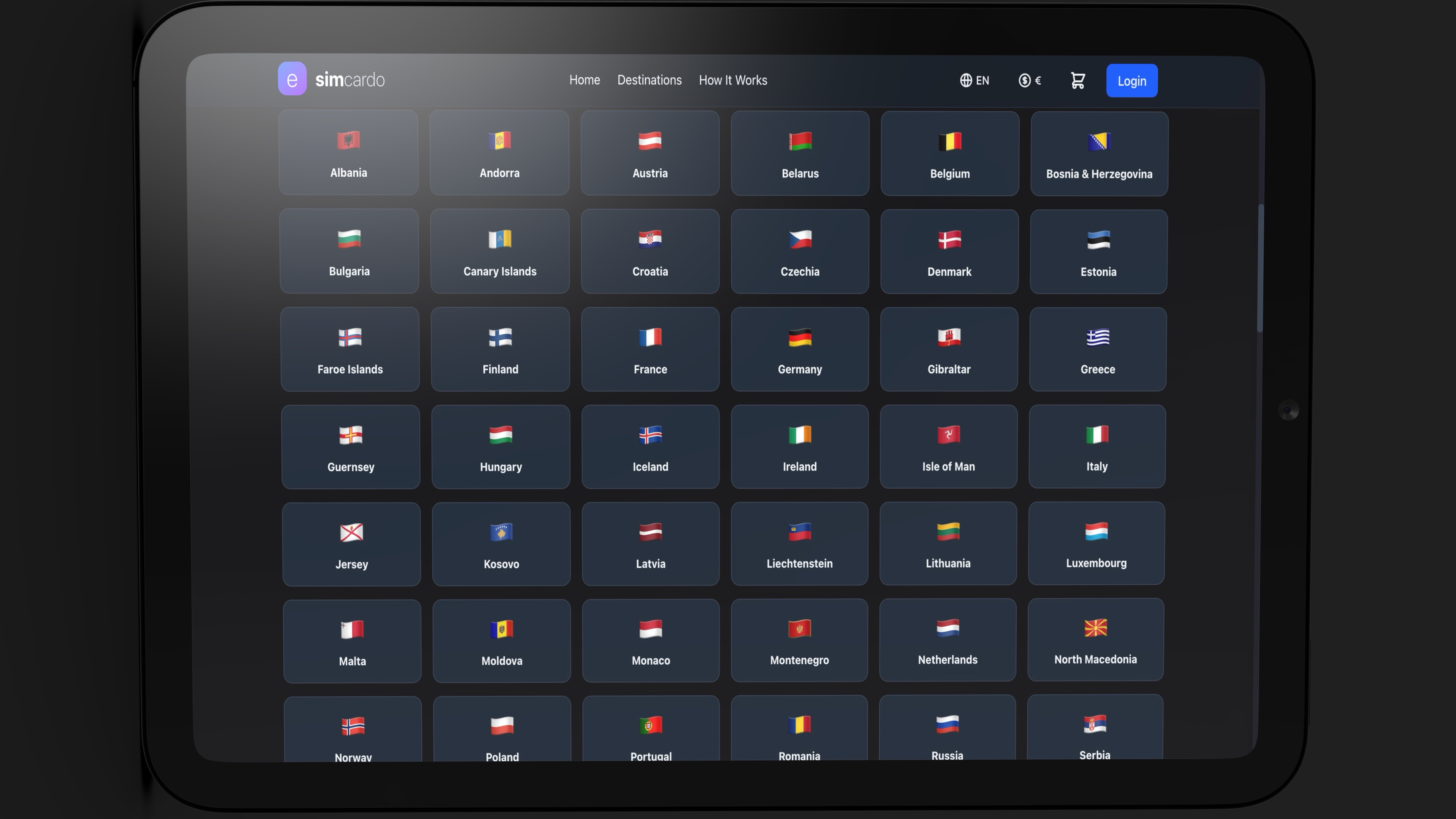
Coverage across 290 destinations
The catalogue numbers are the part that stopped me. Europe alone lists more than fifteen hundred separate tariffs. North America runs close to a thousand, Africa just over nine hundred, Asia in the seven hundreds, with the Middle East, South America, and Oceania filling the rest. Plans range from 2G up to 5G depending on what the local network supports. The interface speaks more than a hundred languages and prices in several currencies, which is what a genuinely international product looks like, not a single home market with a couple of conversions bolted on.
Three buying tiers share the same catalogue: single-country plans, regional bundles, and global packages covering 200 to 290 destinations. The logic is sound. Three countries in a fortnight, and a regional bundle can come in under three separate local plans. A month parked in one place, and a single-country plan stops you paying for coverage you never touch. Letting Simcardo customers pick across all three, instead of herding everyone into one continent-wide bundle, is the most commercially decent decision in the whole product, and it happens to be the one that keeps the targeted traveller from being priced out.
App features for managing data
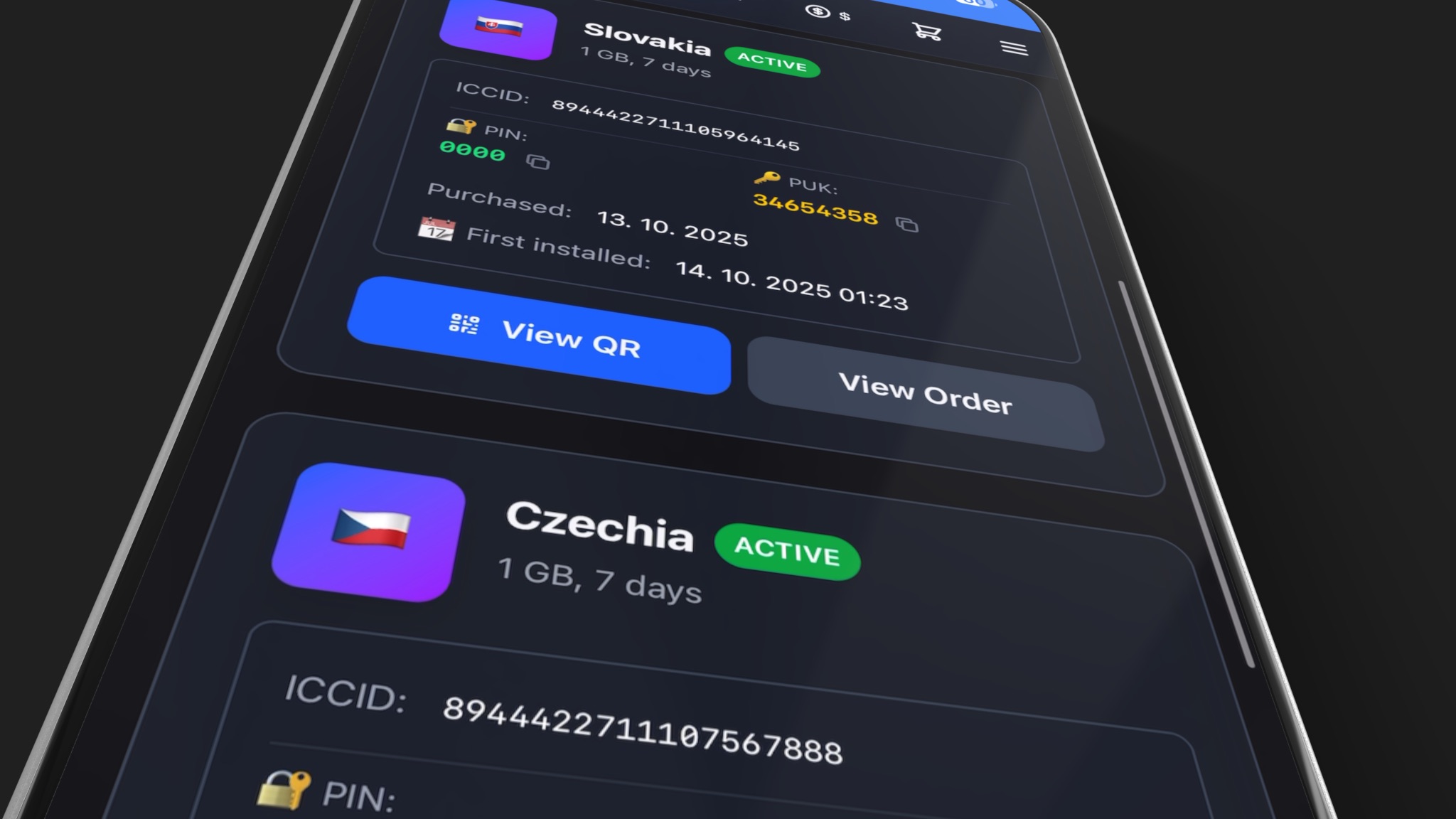
The Simcardo mobile app is live on both the Apple App Store and Google Play, and it carries most of the workflow: browsing plans, activating an eSIM, watching data usage live, topping up with credits or gift cards, plus a referral and rewards scheme. That rewards loop is genuinely useful for people who travel often, because a balance that survives between trips and a referral credit both lower the friction of coming back for the next departure. On the website there is an AI-assisted plan search and a destination comparison tool.
Comparing plans by destination
Comparison earns its keep here, since allowances, validity windows, and supported networks shift enough between destinations that lining options up side by side is closer to necessary than nice. A comparison tool is also the kind of feature nobody bothers building unless the catalogue is deep enough to feed it, and with thousands of tariffs across 290 destinations, this one is.
So far the listing tests well. Now the part that does not.
Lack of public customer reviews
Outside opinion on Simcardo is close to absent, and that has to weigh on any honest verdict. It shows up on the eSIMDB comparison platform and got a BetaList feature as a startup launch, so it lives in circuits that travellers and reviewers do use. But no aggregate rating turned up from the App Store or Google Play, and there is no Trustpilot, Google, or BBB score to lean on. That is a real hole. For a weekend city break the exposure is small.
Risk assessment for extended trips
For a long trip, or an itinerary where the connection has to work and there is no fallback, buying from a brand with no visible public track record is a different proposition, and pretending otherwise would be dishonest. Glancing at recent chatter on travel forums before you commit to it for an extended journey is plain sense.
To place it on the map, the entry sits among other telecommunications providers, and the catalogue depth plus the multi-platform app put Simcardo well clear of affiliate resellers with a borrowed storefront. That is a low bar, but a fair one when you are sizing up an eSIM brand you have never heard of.
Tally it honestly. The core is clean: prepaid data, instant delivery, no contract, coverage across a far wider spread of destinations than rival single-brand eSIM services even attempt, and a company you can trace to a real address in Brno. Most of what you would want to know before buying is published, and for a short trip that is enough to act on. The one thing the published material cannot supply is the voice of customers who have already used it, and for the longer or higher-stakes journeys, that silence is the bit I would not be able to talk myself past.