Dan Gilroy Design works with one industry and one only: law firms. That narrowness is the whole pitch, and it runs through every corner of the site. A studio could chase any client with a credit card. This one decided two decades ago that it would design for attorneys, and it has stayed there since 2004, operating out of West Linn in the Portland, Oregon area.
Website packages by firm size
The service list reads like it was built by someone who has sat across from a managing partner. Website packages are split by the shape of the firm: solo practitioners get one tier, small firms another, and there are separate tracks for mid-sized and large firms, plus a dedicated option for mediation and arbitration practices. That segmentation tells you the studio understands that a one-attorney shop and a forty-lawyer firm are not buying the same thing, even when both want a website. Around the design work sit the things a firm needs to get found and convert: search engine optimization, content writing, landing page design, logo and brand identity work, and a broader digital marketing strategy when a firm wants ongoing visibility work beyond the initial build.
Hosting and FAQ organization
Hosting is part of the package too, handled in-house on managed WordPress with security features baked in. That detail is more reassuring than the flashier services, because a law firm site that goes down or gets compromised is a genuine professional liability, and a studio that keeps the hosting under its own roof has fewer excuses when something breaks. The blog covers legal marketing topics, and the FAQ sections are organized by service type, pointing to a studio that fields the same questions often enough to answer them up front. For anyone who found Dan Gilroy Design through a business directory rather than a referral, the FAQ depth is a useful early indicator of how organized the operation is.
One studio for the whole marketing stack
What ties the offering together is that none of it is bolted on as an afterthought. A firm can come to Dan Gilroy Design for a single site, or it can hand over the whole stack: design, copy, search visibility, hosting, and the ongoing strategy that decides what gets published next. For a small practice with no marketing staff of its own, that consolidation is the quiet advantage. There is one studio to call when the contact form stops sending leads or the firm wants a new practice-area page, instead of a designer, a host, and a copywriter pointing fingers at each other.
Focus on legal industry only
Specialization cuts both ways, and it is worth being honest about that. A firm outside the legal world has no reason to look here. But for an attorney, the focus is the selling point. Dan Gilroy Design has spent over twenty years learning the conventions, the advertising ethics rules that govern lawyers, and the conversion patterns specific to legal clients, and that accumulated knowledge is hard for a generalist agency to match on a single project. Membership in the Legal Marketing Association reinforces that the studio sits inside the professional conversation rather than watching from outside.
Portfolio and client testimonials
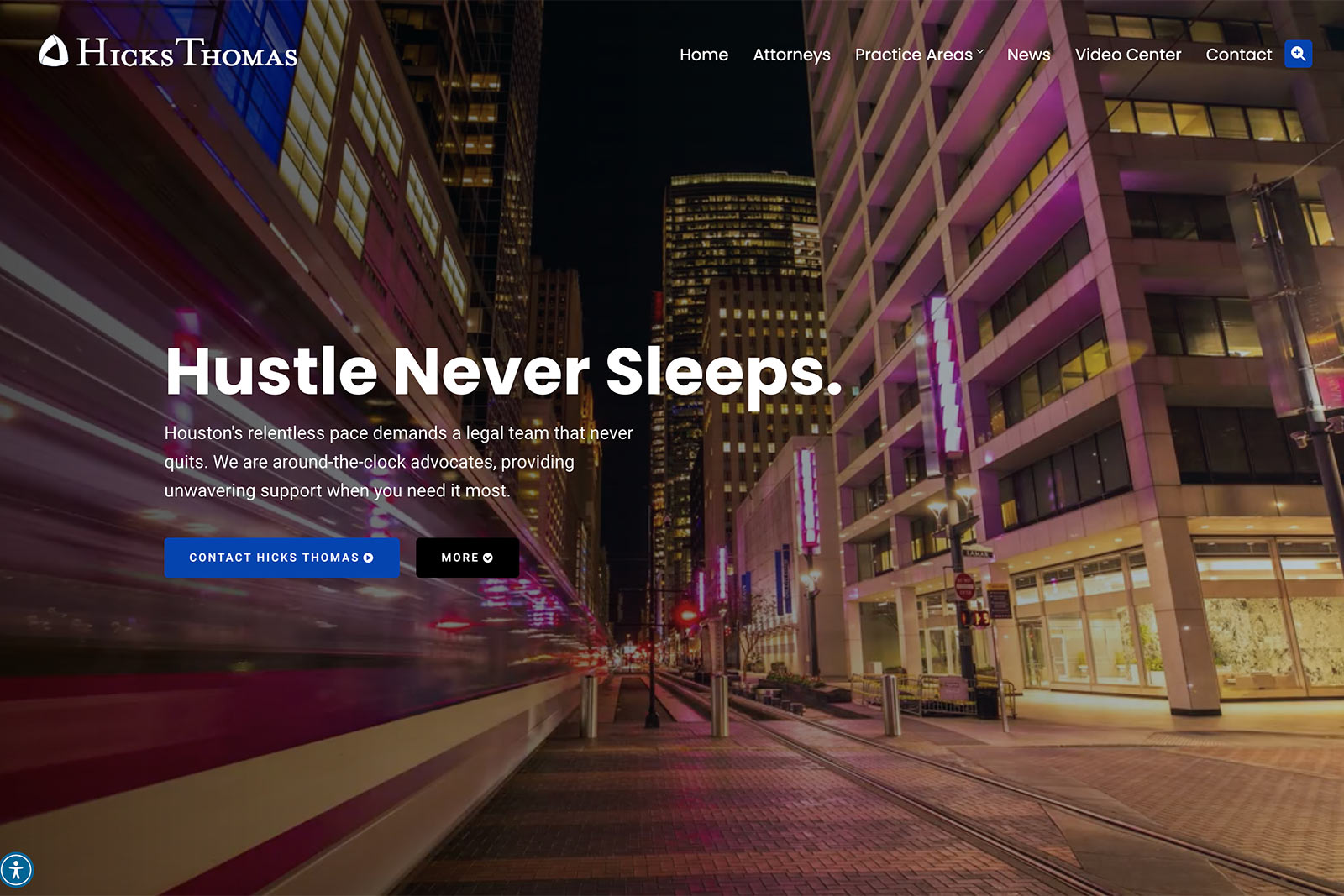
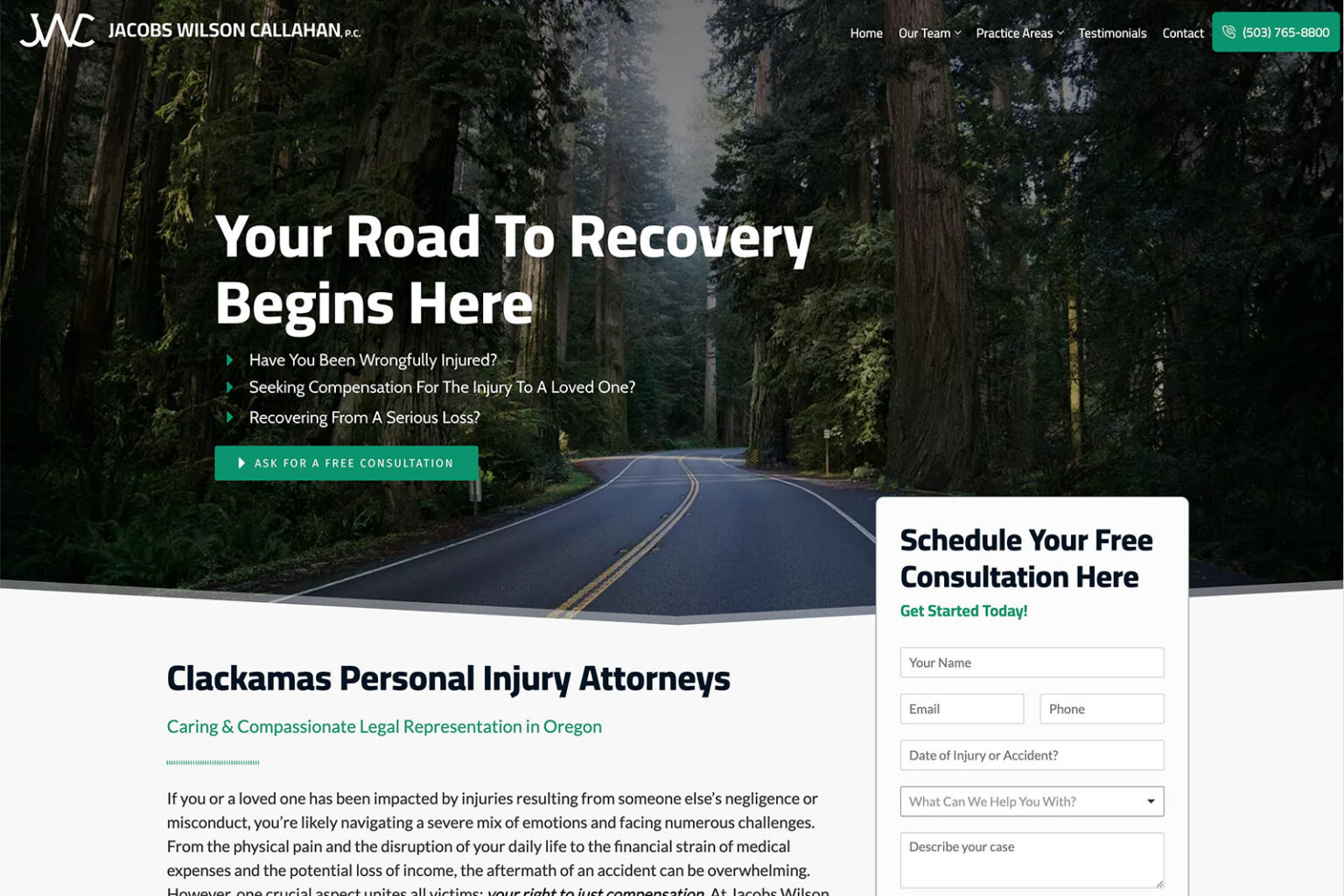
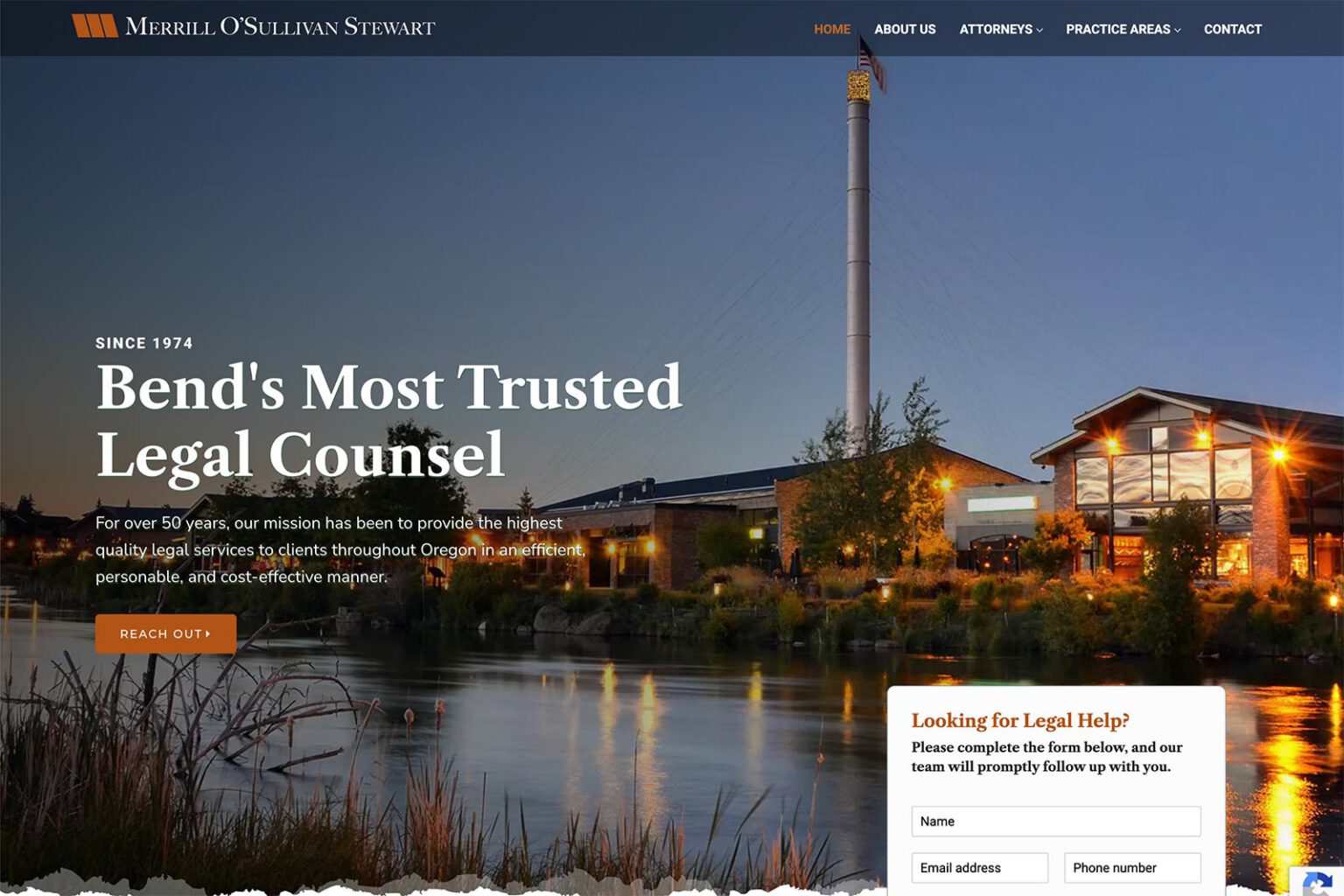
The portfolio of completed projects is on display, and for a design studio that is more telling than almost any verbal claim. Prospective clients can look at real sites, judge the aesthetic, and decide whether it fits the tone they want their firm to project. Testimonials from past clients sit alongside the work. None of that is unusual for the category, but its presence is the baseline a serious studio has to clear, and Dan Gilroy Design clears it without much fuss.
Size of the design team
On the question of who is behind the work, third-party aggregators put the Dan Gilroy Design team at roughly two to nine people. That is a small studio, not an agency floor, and an attorney should read it as such: closer attention and a smaller bench, with the tradeoffs that come with both. For a solo or small firm, a team that size is often a better fit than a large shop where the account gets handed down to a junior.
Independent reviews and ratings
The outside reputation picture is consistent. Trustindex carries a five-star rating across more than thirty-five reviews, and Birdeye shows a five-star rating drawn from thirty-four Google reviews. Two independent sources landing on the same near-perfect picture is harder to dismiss than a single glowing page, and for a studio the size of Dan Gilroy Design that volume of feedback is a meaningful share of its client base. There is a Better Business Bureau profile for the Portland office; it is listed as not BBB accredited, though no complaint detail shows up, and accreditation is a paid status that plenty of solid firms skip. DesignRush and Krowdbase both list the studio as well, with the hourly rate left as an inquiry.
Ways to contact the studio
Reaching the studio takes no effort. A phone number sits on the site, there is a contact page and a separate request-a-quote form for anyone ready to start scoping a project, and LinkedIn, Facebook, and X profiles round out the ways to check the studio's footprint before picking up the phone. In a relationship that runs for months, that openness about how to get in touch is the right approach, because trust is the whole product.
Weighing the specialization tradeoff
So the case is clear enough. Dan Gilroy Design has a documented track record in legal web design, a pair of strong independent review scores, and a service set built specifically around how law firms grow. The work is shown, the focus is genuine, and the contact path is open. What a prospective client gives up is breadth, since this is a small team that has deliberately said no to every market but one. That tradeoff is either the right fit or it is not, and the published evidence is enough to make that judgment without any further guessing.


Important pages
Business address
Dan Gilroy Design
1158 Short Street,
West Linn,
OR
97068
United States
Contact details
Phone: 5037548167