Chakra Hours is a Dallas corporate wellness company that runs short, live wellness sessions for the staff of mid-sized employers. Its pitch is aimed squarely at HR, People Ops, and Employee Experience teams at companies in the 200 to 2,000 employee range, the kind of organisation big enough to have a wellbeing budget but not so large that it runs its own in-house program. Sessions arrive over Zoom or Microsoft Teams, and for companies inside the Dallas-Fort Worth area there is an onsite option too.
Session format and delivery options
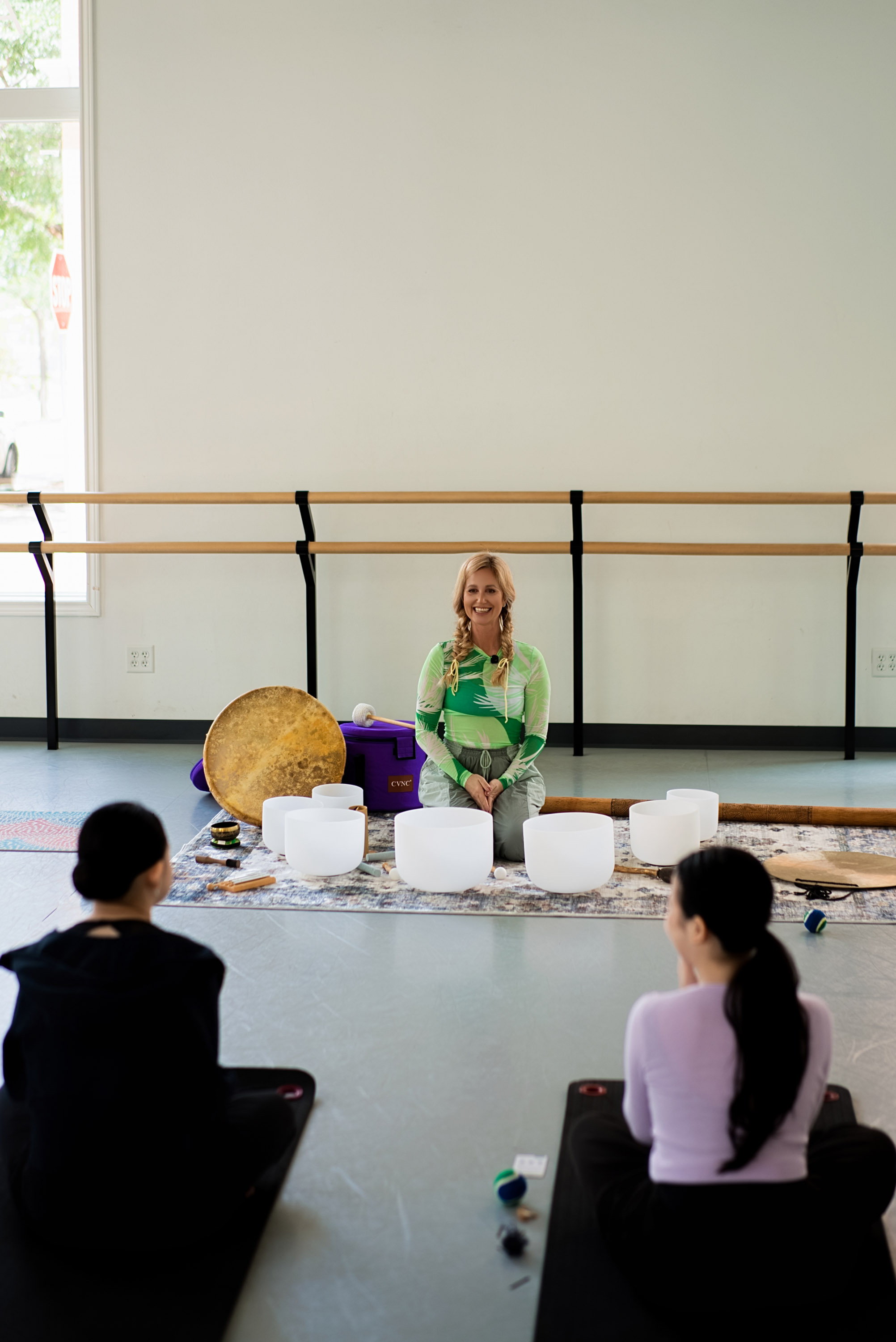
What I find clarifying about the offering is how narrowly it is scoped. Every session runs 30 minutes and needs no app, which reads as a deliberate answer to the practical problem these buyers actually have: getting busy employees to show up for something during a workday. The session types are concrete, not vague wellness talk. Chair yoga, sound baths, guided breathing breaks, stretch and desk reset sessions, and meditation cover the range without overreaching. There is also a team-building wellness event format for groups that want something less routine than a weekly class.
Structured curriculum and method
The structure underneath all this is a 12-session curriculum split across four modules, organised around what Chakra Hours calls its Workday Reset Method. Branding a method with a trademark can be marketing dressing, but here it at least indicates that the sessions follow a planned arc instead of being booked one at a time with no through-line. For an HR buyer trying to justify the spend, a defined curriculum is easier to put in front of a manager than a loose menu of classes.
Transparent pricing models
Money is handled openly, which I appreciate in a category where vendors often hide behind "request a quote." Class packs at Chakra Hours run from $395 up to $3,800, so a team can start small and scale, and year-round programming is sold as a subscription at $1,200 a month. That spread gives a People Ops lead room to pilot a few sessions before locking in a standing line item, and the published numbers make internal budgeting a far shorter conversation.
Targeted marketing to employee groups
The company leans into specific buyers beyond the generic HR contact. It markets directly to women's employee resource groups, women-in-leadership programs, and DEI initiatives, which tells you the people behind it understand how wellbeing budgets get allocated inside larger firms: often through an ERG champion and not a central wellness office. The supporting materials from Chakra Hours follow the same logic. An HR Wellbeing Planning Kit, employee toolkits, manager resources, completion certificates, and outcome reporting are the documents an internal sponsor needs to report back on whether the program did anything. Outcome reporting in particular is the piece that separates a vendor who wants a renewal from one selling single bookings.
Contact information and booking
Contact is easy to track down, useful for a B2B service where a buyer needs to verify the vendor is a real operation. A phone number, an email, and a physical suite address on Alpha Road in Dallas are all on the site, alongside booking-call and quote-request links. A buyer can move from reading about the program to scheduling a conversation without hunting, and the listed address gives the operation a verifiable footprint instead of a faceless web presence.
What does the public record show?
On outside feedback, the public record is limited and worth naming plainly. Chakra Hours has a Trustpilot page carrying two reviews at a 3.8 out of 5 rating, a single review on G2, a Yelp business page filed under meditation centers at the same Dallas address, and a vendor profile on Shortlister. None of that adds up to a deep track record. Two or three reviews tell you the company exists and has served someone, but they do not prove consistency the way a few dozen would. A cautious buyer should treat those public ratings as a starting point and ask for client references or sample outcome reports directly.
Published details versus competitor opacity
That caveat does not sink the proposition. A young, narrowly focused B2B wellness vendor that sells through direct conversations instead of a marketplace will often have very few third-party reviews: the buyers it reaches never leave a Trustpilot rating because they came in through a referral or a cold outreach, not a search listing. What partly offsets that gap is how much detail the company is willing to publish: real prices, a defined curriculum, named buyer segments, and concrete deliverables. Plenty of competitors in this space ask you to book a call before they will tell you anything at all. Chakra Hours puts most of the decision-relevant information on the table first, which at least lets a buyer form an opinion before picking up the phone.





Important pages
Business address
Chakra Hours
5301 Alpha Rd, Suite 80,
Dallas,
TX
75240
United States
Contact details
Phone: 469-712-4450
