A cancer diagnosis arrives with a set of blunt logistical problems long before the medical ones are settled: where to sleep when the treatment center is three hundred miles from home, and how to reach the clinic on the mornings when driving is out of the question. The organization behind this listing was built to take those problems off a patient's plate.
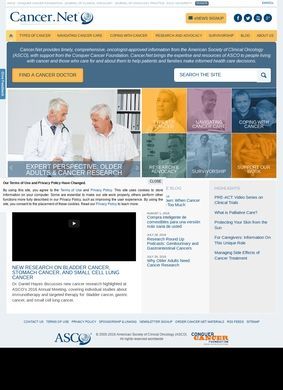
That organization, reached at cancer.org, is the American Cancer Society. Its mission is put plainly, to end cancer as we know it, for everyone, and it pursues that through advocacy, research, and direct patient support. One point belongs up front, though. The listing is filed under the name Cancer.Net, which is a different thing. Cancer.Net, run by ASCO, is a separate resource that happens to share part of the name, so anyone who came here expecting Cancer.Net will land on the American Cancer Society instead. It helps to know which door you have walked through.
The audience is broad by design. It takes in people facing a diagnosis, the survivors who come after, the caregivers and families around them, and members of the general public looking for straight prevention information before any of that turns personal. Advocacy sits in the mix as well, the quieter work of pushing for policy that shapes how cancer gets funded, screened, and treated. That side is harder to see on a single visit, but it runs through the organization's stated priorities.
Where patients and families land
Strip away the Cancer.Net name confusion and the substance is considerable.
The support arm is the part a patient or caregiver meets first, and it comes as concrete, physical help.
Practical help: Hope Lodge and Road to Recovery
Hope Lodge provides free lodging for people who have to travel for treatment, which removes one of the heaviest hidden costs of a distant hospital. Road to Recovery fills the other gap, volunteer drivers who get patients to and from appointments when they cannot manage the trip themselves. Both run on volunteers, and both take aim at a practical barrier that can otherwise derail a course of treatment before the medicine even starts.
Neither program asks the patient to pay, which is the whole point when a diagnosis is already draining a household's savings.
A helpline that answers at any hour
A 24/7 helpline and an online chat mean there is a person to reach at two in the morning, when a lot of the worst questions surface. Around that sit smoking-cessation programs and online communities where survivors trade experience. The reach extends past the patient to caregivers, families, and survivors carrying the aftermath, which is a wider brief than any single clinic could hold.
Research dollars and the crowds that raise them
Support is one half.
The other is the money and the science behind it, and this is where the scale becomes hard to wave away.
A research fund built since 1946
More than 5.6 billion dollars has gone into cancer research since 1946, spread through grants to researchers across the country, along with population and health-equity studies that examine who gets cancer and who survives it. That is a long institutional memory in a field where money tends to chase the latest headline. The figure by itself places the American Cancer Society in a different weight class from most single-cause charities.
For a patient the number matters less than the quieter fact underneath it, that the grants keep going out year after year, backing the sort of long studies that do not pay off on any quick schedule.
Relay For Life and Making Strides Against Breast Cancer walks
The fundraising has a public face in Relay For Life events and the Making Strides Against Breast Cancer walks, which work as community gatherings and as the engine that feeds the grants. Volunteer roles and workplace giving programs fill out the ways an ordinary person can plug in.
None of it is passive. The model depends on turnout, and the events are how the money gets made. A quiet donation button would raise a fraction of what a stadium of walkers brings in, so the social side of the fundraising is doing real financial work, well beyond marketing.
How it reads if you wanted Cancer.Net
Circle back to the name, because it changes how to judge this page. A reader who searched for Cancer.Net was likely after the ASCO resource, and this address does not lead there. What it leads to is a large, established nonprofit registered as a 501(c)(3), putting lodging, transportation, a round-the-clock helpline, and billions in research funding within reach of someone who needs them. That is a lot of machinery, and for most people arriving in a crisis it will be more useful than a page of reading, even excellent reading, would have been.
So the honest comparison is between two destinations that share a name. The American Cancer Society at this address delivers far more hands-on help during treatment than a pure information page ever could. It is simply not Cancer.Net, and reaching ASCO's actual resource means typing in that address on purpose.