The buyer who lands here usually arrives with a name already in mind. They want an original contemporary oil painting by Maria Carmen Selvas Baltierrez, a Catalan painter born in Manresa, and they want to buy it from the artist directly, not through a gallery that takes a cut. Carmen Selves Oil Paintings is the painter's own site, run by her, and the tagline she chose, "the web of art, memories and news," sets the expectation: part gallery, part archive, part running log of the work. For someone who already knows the name, that is the whole point.
External verification of the artist
The first question worth settling is whether anything outside Carmen Selves Oil Paintings backs up what it claims, because a single-artist storefront can say whatever it likes. Here the outside evidence is unusually solid for a directory entry. A Wikipedia article exists for the artist and confirms the biographical details and career arc, which is not the kind of independent record a person can simply arrange. Artelista.com lists one of her pieces at 7,657 dollars, putting a real-market figure against the direct-sale prices. Agora Gallery describes her aim as depicting life and her own generation in contemporary Spain, a third-party characterisation that lines up with how Carmen Selves Oil Paintings presents itself. An encyclopedia entry and two separate art platforms agreeing with each other gives the listing a documentary footing.
Consumer reviews are a different story. The Artelista profile linked from Carmen Selves Oil Paintings shows zero reviews, and searches on Google, Trustpilot, Yelp, and Facebook turned up no ratings or counts tied to this artist or site. Fine-art buyers rarely leave star ratings, so the silence is closer to normal than alarming. The point is that the credibility Carmen Selves Oil Paintings rests on is built from biography, exhibition records, external price data, and an encyclopedia entry, not from a tally of customer feedback. For a four-figure original canvas, that documentary trail is arguably the steadier thing to lean on anyway.
Archive and exhibition records
That archival side is where the site spends most of its effort. Beyond the sale pages there is a biographical section and one labelled "Primers anys," Catalan for early years, covering her earliest works. A collector can see where the hand started and how the subjects shifted, which is exactly the material that vanishes when a site is built only to move stock. Carmen Selves Oil Paintings keeps it, and updates a news area that reads like a maintained record rather than a frozen page. That sort of upkeep is unusual for a one-painter operation.
The exhibition record is split between individual and collective shows. A solo exhibition and a group hang are not the same achievement, and listing them apart lets a visitor judge the difference instead of taking a combined headline number on trust. Eight languages are supported: Catalan, Spanish, French, English, Italian, Galician, Basque, and Japanese. Galician and Basque sitting beside Catalan and Spanish reads as deliberate outreach to regional Iberian audiences. Japanese is the surprising one for a single painter, and it implies Carmen Selves Oil Paintings expects interest from collectors well outside Spain.
The core of Carmen Selves Oil Paintings is originals sold directly, with the artist as the counterparty and no gallery in the middle. That is rarer than it sounds. Most single-artist sites either push the buyer toward a gallery or stop at a portfolio with no prices. Here the transaction stays on the page. Alongside the originals, Carmen Selves Oil Paintings offers 48 printable photographs of her works, useful to a collector who wants an image of a piece already sold, or to a student needing visual reference.
Subject categories and site navigation
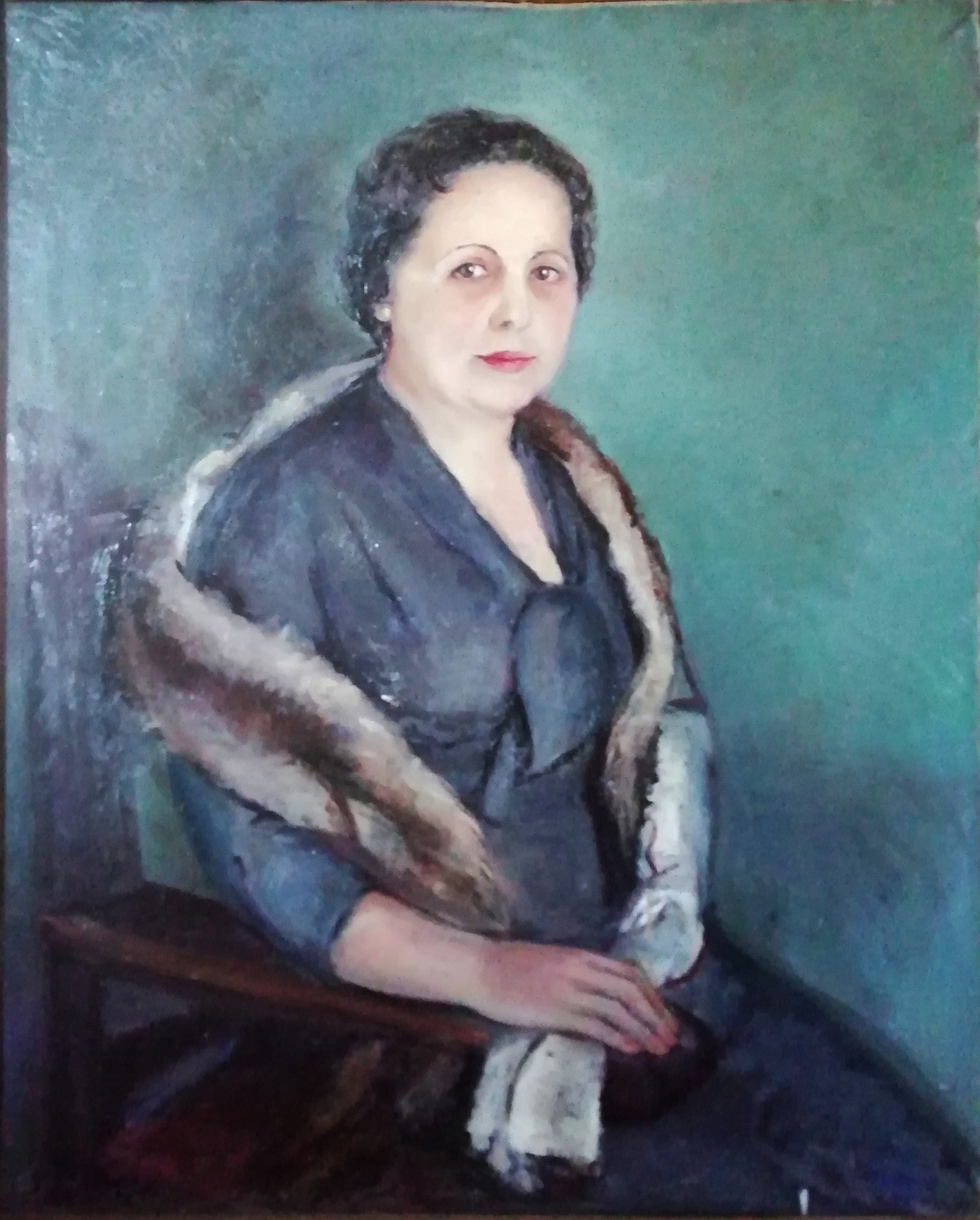
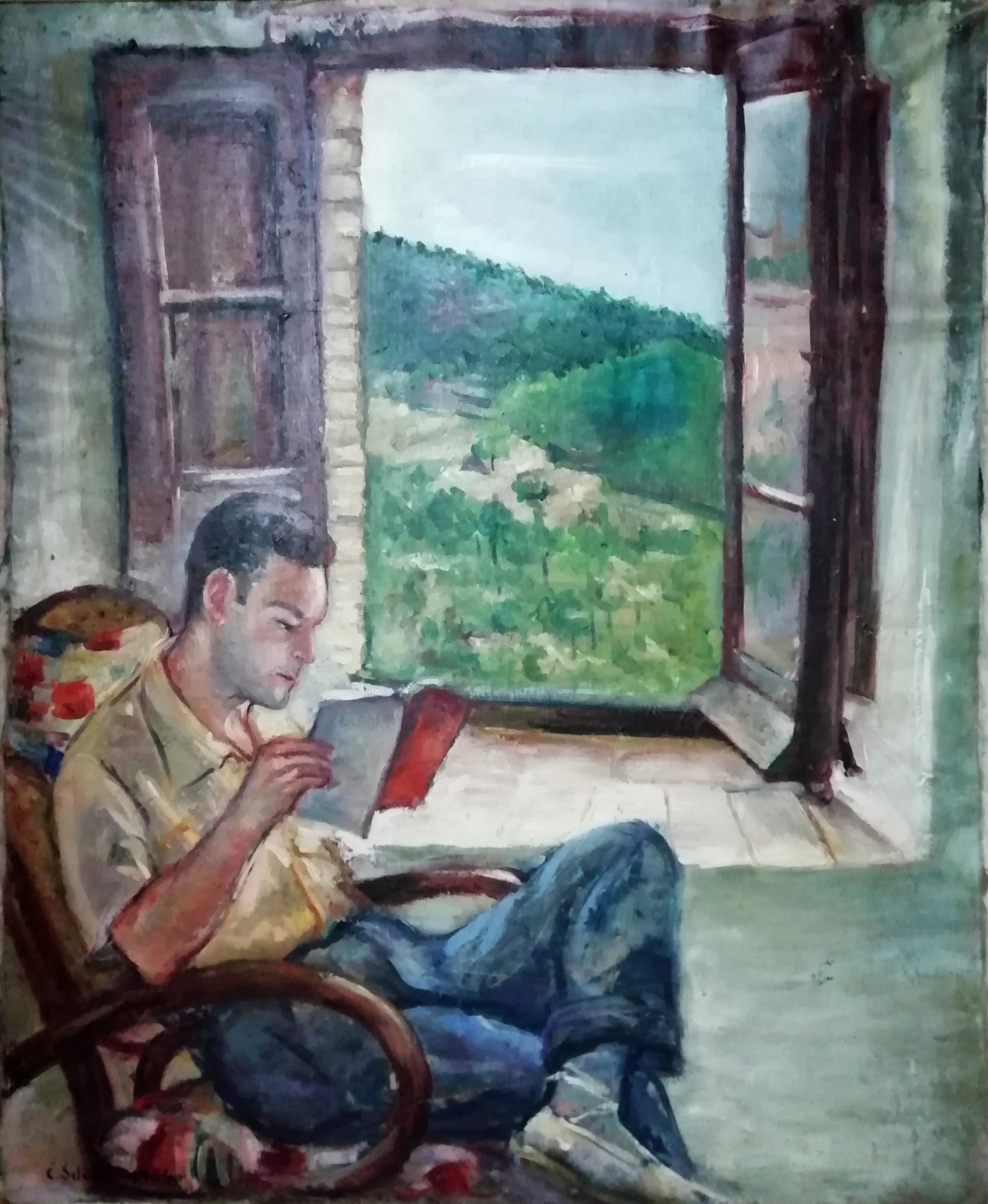
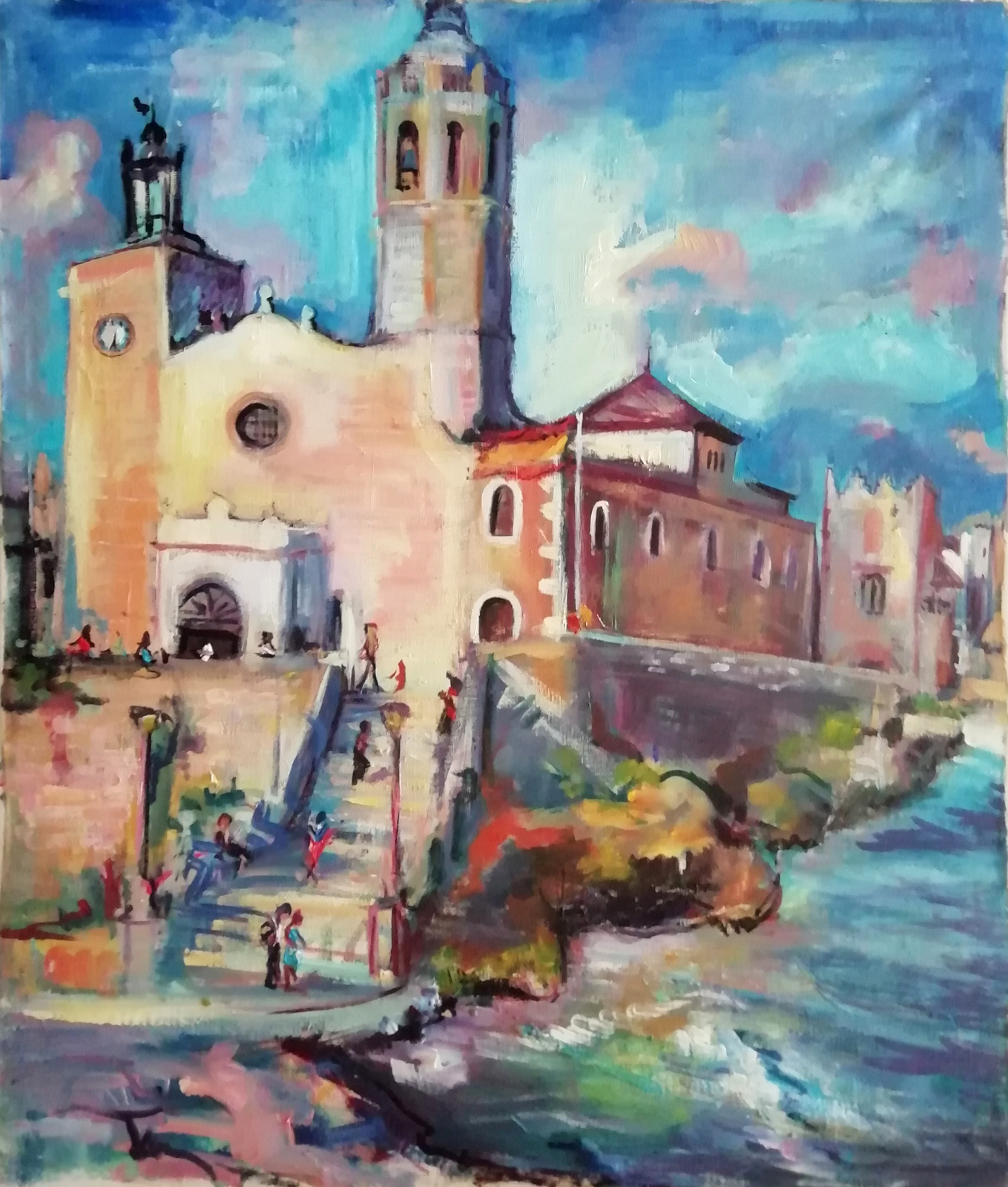
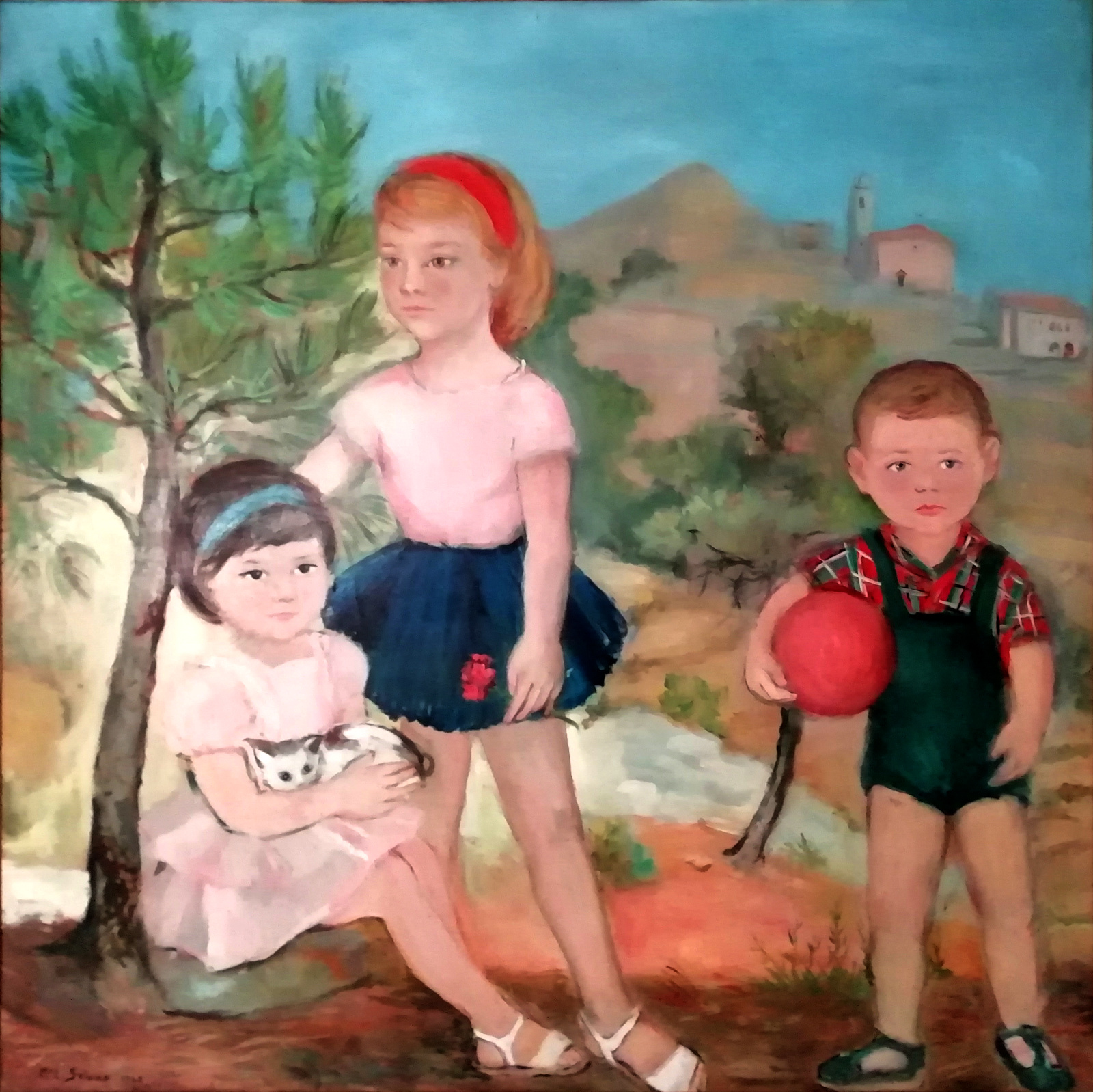
The subject range is wide: animals, flowers, landscapes, urban landscapes, coastal scenes, fantasy, fire, and portraits. City scenes and open countryside are kept in separate categories because they draw on different skills and reach different buyers, so Carmen Selves Oil Paintings does not flatten everything into one long gallery scroll. The structure tells you the site was organised by someone thinking about how a buyer actually moves through it. A collector after coastal work or portraits can go straight there; a researcher reading the career can stay in the biography and exhibition sections without wading through the shop. The same structure serves both audiences Carmen Selves Oil Paintings draws.
Direct sales versus gallery platforms
Set against a group platform, the trade-offs are clear. Agora Gallery, for contemporary Spanish work, offers many artists under one curatorial umbrella, gallery staff as an intermediary, and presumably a physical address if something goes wrong. Carmen Selves Oil Paintings offers one painter, no intermediary cut, a deeper biographical and archival record than any group gallery would keep for a single contributor, and eight languages the gallery does not carry. For a buyer still browsing and unsure of the name, Agora's breadth makes discovery easier. For a buyer who has already settled on Carmen Selvas Baltierrez, the direct route wins on price and on depth.
Contact and accessibility
Contact with Carmen Selves Oil Paintings runs through a form. No phone number and no email address appear anywhere in the public content. The site also offers a QR code for requesting credentials to access additional functionality, which points to a returning-collector layer instead of a first-purchase aid. For a first-time buyer weighing an expensive canvas, a form-only channel adds friction that a phone line or a stated studio location would not. The archival depth and the external price data soften it, but a buyer who wants to talk to someone before sending four figures will feel the absence.
Verification before commitment
Taken together, Carmen Selves Oil Paintings does the unusual thing of letting a buyer verify the artist before contacting her at all: the Wikipedia entry, the Artelista price, and the Agora characterisation can all be checked independently, and the on-site biography and exhibition split fill in the rest. The pricing on Artelista confirms the work trades at four-figure sums, so nobody arrives at the contact form uncertain about the order of magnitude. What the site withholds is any direct line of its own. Everything that establishes who the painter is sits in plain view; the one thing held back until a form is submitted is a way to reach her.

Business address
Spain